Kakao workers stage 'Log-out Day' as wage talks remain deadlocked
Synopsis
Kakao — the company behind South Korea's ubiquitous KakaoTalk — is facing its most serious internal labour crisis, with 2,100 workers walking out in a coordinated 'Log-out Day'. Wage talks have been frozen since May over profit-sharing demands, and with no settlement in sight, the risk of service disruption to one of Asia's most widely used messaging platforms is growing.
Key Takeaways
2,100 unionised workers across five Kakao units staged a coordinated 'Log-out Day' on 29 June .
The union is demanding bonuses worth 13–14 percent of operating profit; management has rejected the demand.
Wage negotiations have been deadlocked since May over performance-based incentive differences.
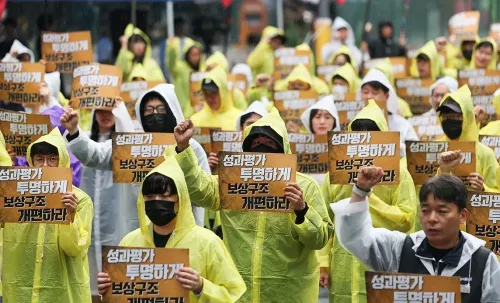
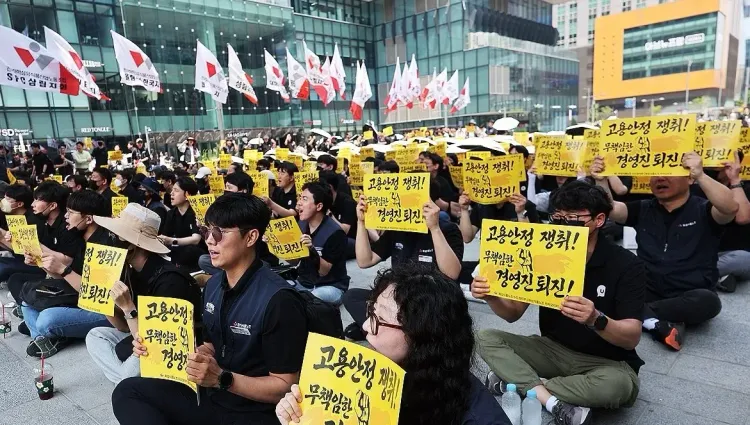
The action follows Kakao's first-ever strike on 10 June , when 1,500 workers walked out for four hours near the Pangyo headquarters.
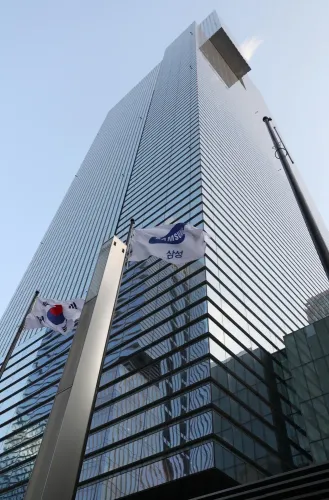
Separately, Samsung Biologics union members voted 96.5% in favour of leaving the Samsung Group United Union , with 2,479 of 4,005 eligible members participating.
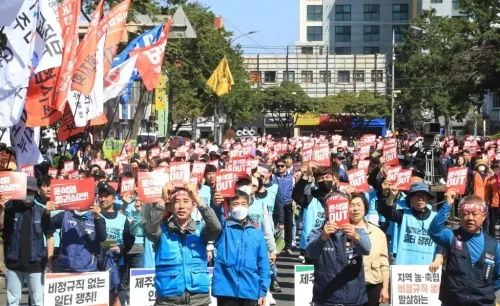
More than 2,100 unionised workers at Kakao, South Korea's dominant messenger app operator, took simultaneous annual leave on Monday, 29 June in a coordinated protest dubbed 'Log-out Day' — the company's second collective industrial action amid a prolonged stalemate in wage negotiations. The walkout spans five Kakao units, including its Pangyo headquarters, Kakao Pay, and Kakao Enterprise.
What the Workers Are Demanding
The union is reportedly seeking bonuses equivalent to 13 to 14 percent of the company's operating profit. Management has rejected these demands, arguing that such a payout structure would place an unsustainable financial burden on the company. Talks have been at a standstill since May, after both sides failed to bridge differences over performance-based incentives.
How the Dispute Escalated
The 'Log-out Day' follows Kakao's first-ever strike on 10 June, when approximately 1,500 union members walked off the job for four hours and rallied near the company's headquarters in Pangyo, south of Seoul. The scale of participation has grown with the second action, with 2,100 workers — spread across multiple subsidiaries — joining the coordinated leave. This is a notable escalation in a company that had no history of union-led industrial action before this year.
Impact on Kakao's Services
Industry observers are watching closely to see whether the ongoing dispute could disrupt KakaoTalk, the messaging platform used by the vast majority of South Korea's population. Kakao's management said it remains on standby to ensure stable service operations and intends to continue negotiations with the union, though no breakthrough appears imminent.
Wider Labour Unrest at Korean Tech Firms
The Kakao dispute is unfolding against a broader backdrop of labour activity in South Korea's technology sector. Separately, unionised workers at Samsung Biologics voted to exit the Samsung Group United Union, a group-wide labour coalition. Of 4,005 eligible voters, 2,479 participated in the five-day ballot — with 96.5 percent voting in favour of the structural change. The vote, which concluded recently, signals a potential fragmentation of collective bargaining across Samsung affiliates. Whether Kakao's union holds firm through further actions or reaches a settlement will likely shape how other Korean tech companies approach labour negotiations in the months ahead.
Point of View
Which has long operated with minimal union friction. The union's demand for a profit-linked bonus formula — rather than a fixed increment — is structurally significant: it would set a precedent that ties worker compensation directly to corporate performance, a model management across the industry has resisted. The simultaneous unrest at Samsung Biologics suggests this is not an isolated flash point but part of a wider recalibration of worker expectations at Korean conglomerates. If Kakao's management continues to stonewall without a counter-proposal, the risk of a full-scale strike affecting KakaoTalk — embedded in daily life for tens of millions — becomes a reputational and operational liability the company can ill afford.
NationPress
29 Jun 2026
Frequently Asked Questions
What is Kakao's 'Log-out Day' protest?
'Log-out Day' is a coordinated protest in which over 2,100 unionised Kakao employees took simultaneous annual leave on 29 June as a form of collective industrial action. It is the company's second such action, following a four-hour strike on 10 June, and is aimed at pressuring management to meet wage demands.
Why are Kakao workers on strike?
Kakao's union and management have been deadlocked since May over performance-based bonuses. The union is reportedly demanding that the company pay 13 to 14 percent of its operating profit as bonuses, a formula management has rejected as financially burdensome.
Could the Kakao dispute disrupt KakaoTalk services?
Industry watchers are monitoring the situation closely, given KakaoTalk's near-universal usage in South Korea. Kakao's management has said it is on standby to maintain stable service operations, but a prolonged or escalating dispute could increase that risk.
What happened at Samsung Biologics' union?
Workers at Samsung Biologics voted by a 96.5 percent majority to exit the Samsung Group United Union, a group-wide labour coalition. Of 4,005 eligible members, 2,479 cast votes in the five-day ballot, signalling a move toward independent collective bargaining.
What is the background to Kakao's labour unrest?
Before 2025, Kakao had no history of union-led industrial action. The current dispute marks a significant shift, with workers at multiple subsidiaries — including Kakao Pay and Kakao Enterprise — joining coordinated protests over what they describe as an unresponsive management stance on profit-sharing.