VB-G RAM G Act live nationwide: Rural wages rise 10% to ₹327 daily from July 1
Synopsis
India's new rural employment law — the VB-G RAM G Act — went live on 1 July 2026, pushing the national average daily wage past ₹327 and guaranteeing 125 days of work per rural household. With ₹95,692 crore already disbursed to states and wage hikes of up to 25% in poorer states, this is the most significant statutory overhaul of rural labour entitlements in years.
Key Takeaways
The VB-G RAM G Act, 2025 came into force across India on 1 July 2026 .
Eligible rural households are now entitled to 125 days of guaranteed wage employment per year.
The national average daily wage has risen from ₹298.8 to ₹327.4 — an increase of more than 10 per cent ; no notified wage falls below ₹300 .
States including Uttar Pradesh , Bihar , Jharkhand , and West Bengal have seen wage hikes of 15–25 per cent .
The Centre has released an interim allocation of ₹95,692.31 crore to states and Union Territories for seamless rollout.
A formal National Launch Programme is set for 2 July 2026 in Tirupati District, Andhra Pradesh , to be attended by Union Minister Shivraj Singh Chouhan and CM N.
The Viksit Bharat – Guarantee for Rozgar and Aajeevika Mission - Gramin (VB-G RAM G) Act, 2025 came into force across India on 1 July 2026, guaranteeing rural households 125 days of wage employment per year and lifting the national average daily wage by more than 10 per cent — from ₹298.8 to ₹327.4. The Act also mandates that no notified daily wage anywhere in the country falls below ₹300.
What the Act Guarantees
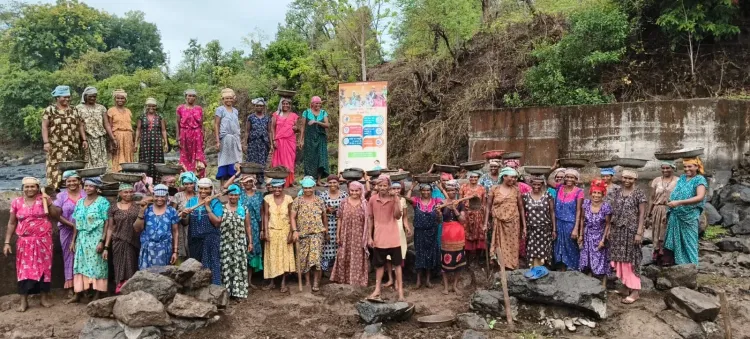
Under the new legislation, eligible rural households receive a statutory entitlement to 125 days of guaranteed wage employment annually — an increase from the earlier framework. The Act is designed to make rural employment more transparent and outcome-driven, while accelerating the creation of durable rural assets, conservation of natural resources, enhancement of agricultural productivity, livelihood promotion, and women-led development, according to an official statement.
Wage Increases Across States
The Government of India has notified revised wage rates under the Act for all states, Union Territories, and notified wage areas. States including Uttar Pradesh, Bihar, Jharkhand, West Bengal, Assam, Arunachal Pradesh, and Himachal Pradesh have seen wage hikes ranging from 15 to 25 per cent, among the steepest in the country. The floor wage of ₹300 per day is now a statutory floor, not merely a guideline.
Funding and Rollout Readiness
To ensure uninterrupted implementation from day one, the Centre has already released an interim allocation of ₹95,692.31 crore to states and Union Territories. The funds are intended to facilitate employment generation, timely wage payments, and execution of development works. Officials stated that all necessary administrative, financial, and technical preparations have been completed ahead of the commencement date.
What the Government Said
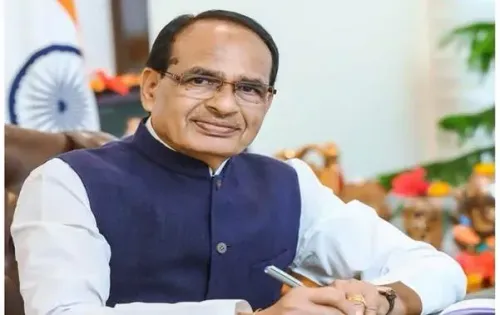
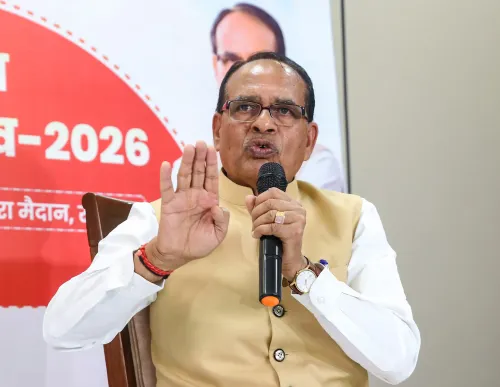
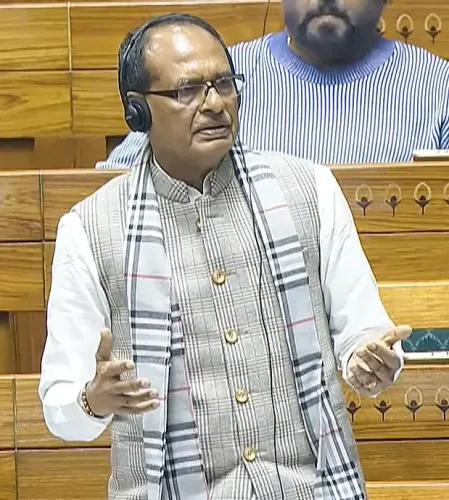
Union Minister for Rural Development and Agriculture Shivraj Singh Chouhan described the Act as 'not merely a new law but a transformative initiative that ushers in a new era of dignity, self-respect and livelihood security for millions of rural workers,' attributing the push to the leadership of Prime Minister Narendra Modi. Chouhan expressed confidence that the Act would create livelihood opportunities in villages, strengthen women's empowerment, and advance the vision of an Atmanirbhar and Viksit Rural India.
National Launch Event
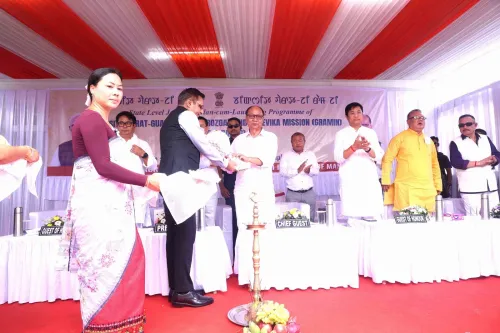
A formal National Launch Programme is scheduled for 2 July 2026 at Mukkavaripalle Village, Obulavaripalle Mandal, Tirupati District, Andhra Pradesh. The event will be attended by Union Minister Chouhan and Andhra Pradesh Chief Minister N. Chandrababu Naidu. The programme will include distribution of Rural Employment Guarantee Cards to beneficiaries, the launch of the VB-G RAM G software platform, release of key publications, and the inauguration of several implementation initiatives.
With the Act now operational, the government's stated next step is embedding verifiable employment outcomes into the disbursement mechanism — a structural test that will determine whether the wage floor translates into measurable rural income gains at scale.
Point of View
But the real measure will be payment timeliness — the chronic failure point of its predecessor frameworks, where wage delays of weeks or months effectively negated the guarantee. The ₹95,692 crore interim release signals fiscal seriousness, yet front-loading funds has been done before without resolving last-mile delivery gaps. The states with the steepest hikes — Bihar, Jharkhand, Uttar Pradesh — are also those with the weakest implementation infrastructure. Whether the new software platform and Employment Guarantee Cards close that gap, or merely digitise existing dysfunction, is the question mainstream coverage is not yet asking.
NationPress
30 Sept 2026
Frequently Asked Questions
What is the VB-G RAM G Act, 2025?
The Viksit Bharat – Guarantee for Rozgar and Aajeevika Mission - Gramin (VB-G RAM G) Act, 2025 is a central legislation that guarantees eligible rural households 125 days of wage employment per year, with a statutory minimum daily wage of ₹300. It came into force across India on 1 July 2026, replacing the earlier rural employment framework with higher wages and a focus on durable asset creation and women-led development.
How much have rural wages increased under the new Act?
The national average notified daily wage has risen from ₹298.8 to ₹327.4, reflecting an average increase of more than 10 per cent. No notified daily wage anywhere in the country can now fall below ₹300. States such as Uttar Pradesh, Bihar, Jharkhand, West Bengal, Assam, Arunachal Pradesh, and Himachal Pradesh have seen hikes of 15 to 25 per cent.
How much funding has the Centre released for VB-G RAM G implementation?
The Centre has released an interim allocation of ₹95,692.31 crore to states and Union Territories ahead of the Act's commencement on 1 July 2026. The funds are meant to ensure uninterrupted employment generation, timely wage payments, and execution of development works from day one.
When and where is the National Launch Programme for VB-G RAM G being held?
The National Launch Programme is scheduled for 2 July 2026 at Mukkavaripalle Village, Obulavaripalle Mandal, Tirupati District, Andhra Pradesh. Union Minister Shivraj Singh Chouhan and Andhra Pradesh Chief Minister N. Chandrababu Naidu are expected to attend. The event will include distribution of Rural Employment Guarantee Cards and the launch of the VB-G RAM G software platform.
Who benefits from the VB-G RAM G Act?
Eligible rural households across India are the primary beneficiaries, with each household entitled to 125 days of guaranteed wage employment annually. The Act places particular emphasis on women-led development and livelihood promotion, and the government has stated it aims to strengthen women's empowerment in rural areas alongside broader rural asset creation.