Vikram-1 launch: India's private space era arrives with Skyroot's historic orbital mission
Synopsis
India crossed a landmark threshold on 18 July when Skyroot Aerospace's Vikram-1 became the first privately built Indian rocket to complete an orbital mission — a feat made possible by a policy decision taken half a decade ago to open ISRO's domain to private enterprise. The launch signals that India's commercial space ambitions are no longer aspirational.
Key Takeaways
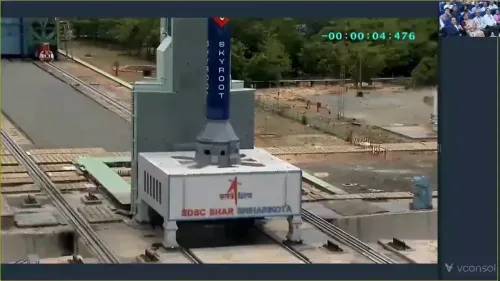
Skyroot Aerospace's Vikram-1 completed India's first private orbital rocket launch on 18 July from Sriharikota .
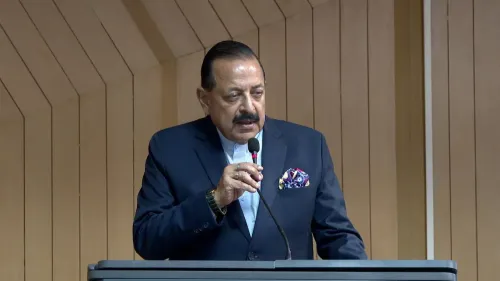
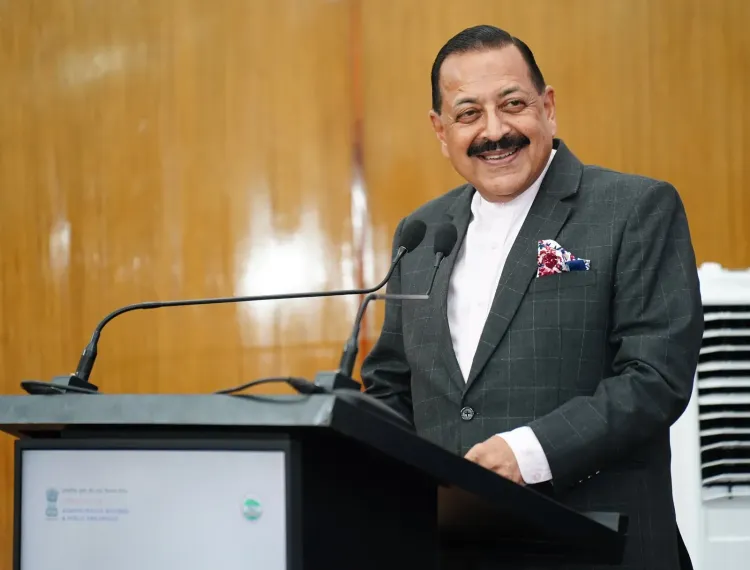
Union Minister of State Dr Jitendra Singh called it a 'moment of pride for all Indians.' The mission was enabled by PM Narendra Modi's decision roughly five to six years ago to open the space sector to private players.
IN-SPACe facilitated the public-private partnership; ISRO provided infrastructure and collaboration support.
India's first-attempt launch success rate is described by the minister as 'remarkably higher' than nations with longer space histories.
The milestone is expected to boost investor confidence and strengthen India's pitch as a global commercial launch destination.
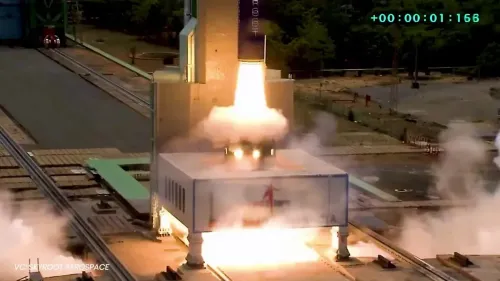
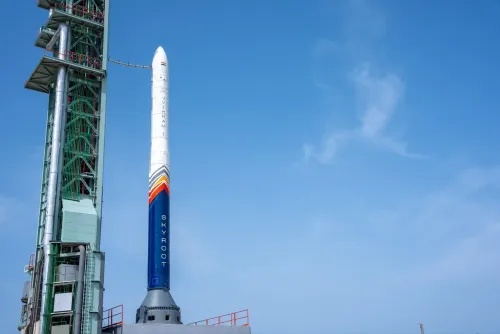
Skyroot Aerospace's Vikram-1 rocket successfully completed an orbital mission on 18 July, marking the first time an Indian private company has independently launched its own rocket to orbit — a milestone that Union Minister of State Dr Jitendra Singh described as a defining moment for the country's reformed space sector. The launch lifted off from the Satish Dhawan Space Centre in Sriharikota, Andhra Pradesh.
A Historic First for Private Spaceflight in India
Skyroot Aerospace became the first private Indian company to execute an orbital launch, achieving what had until now been the exclusive domain of the Indian Space Research Organisation (ISRO). The mission proceeded according to plan, underscoring the growing technical maturity of India's private aerospace sector. Dr Singh called the achievement 'miraculous' given the compressed timeline of barely half a decade.
What the Government Said
Speaking after the mission, Dr Singh credited Prime Minister Narendra Modi's decision — taken five to six years ago — to open India's space sector to private enterprise as the foundational enabler of Saturday's success. 'This became possible because five to six years ago, Prime Minister Narendra Modi took the courageous decision to open the space sector to private companies,' Dr Singh said.
The minister extended congratulations to all stakeholders, including IN-SPACe (Indian National Space Promotion and Authorisation Centre) for facilitating the public-private partnership and ISRO for optimising the collaboration. 'Congratulations Skyroot for becoming India's first private player to have executed this launch from Sriharikota,' he said.
India's First-Time Launch Success Record
Dr Singh highlighted that India's record of first-attempt launch success compares favourably with countries that began their space programmes far earlier. 'If you compare us with those who started much earlier than us, our record of first-time success is remarkably higher compared to other nations. Today's achievement adds to that record,' he said. This is the third significant milestone for Skyroot, which previously conducted sub-orbital test flights before graduating to a full orbital attempt.
The Broader Reform Context
The Vikram-1 launch is a direct product of India's space sector liberalisation initiated around 2020, which allowed private firms to access ISRO facilities, use government launch infrastructure, and compete for commercial satellite contracts. IN-SPACe was established as the nodal body to regulate and promote private participation. Since then, a clutch of Indian space startups — including Skyroot, Agnikul Cosmos, and Pixxel — have attracted significant venture funding and begun maturing their launch vehicles. This comes amid a global commercial space boom, with India positioning itself as a low-cost, high-reliability alternative to established launch providers.
What Comes Next
Saturday's success is expected to accelerate investor confidence in India's private space ecosystem and could prompt further policy support from the Centre. Industry observers say the milestone strengthens India's pitch as a commercial launch destination for small satellite operators globally. The government is expected to announce further incentives for the sector in the coming months, according to reports.
Point of View
But the policy credit narrative deserves scrutiny. Liberalisation opened the door; Skyroot's engineers walked through it — and the distinction matters for future policymaking. India's space reforms have moved faster than comparable emerging-market programmes, yet the ecosystem remains heavily dependent on ISRO's infrastructure and goodwill. The real test is whether IN-SPACe can evolve from a facilitator into a genuinely independent regulator, and whether commercial launch contracts — not just ministerial congratulations — follow. A single successful orbital mission is a proof of concept; a pipeline of paying customers is a space industry.
NationPress
16 Oct 2026
Frequently Asked Questions
What is the Vikram-1 rocket and who built it?
Vikram-1 is an orbital launch vehicle developed by Skyroot Aerospace, a Hyderabad-based private space startup. It became the first privately built Indian rocket to successfully complete an orbital mission, launching from the Satish Dhawan Space Centre in Sriharikota on 18 July.
Why is the Vikram-1 launch historically significant?
It is the first time an Indian private company has independently launched its own rocket to orbit, a milestone previously achievable only by ISRO. The success demonstrates that India's space sector liberalisation, initiated around 2020, is producing tangible results.
What role did IN-SPACe and ISRO play in the launch?
IN-SPACe facilitated the public-private partnership framework that allowed Skyroot to access government launch infrastructure at Sriharikota. ISRO provided collaboration and technical support, optimising the mission under the reformed regulatory structure.
How did India's space sector open up to private companies?
Prime Minister Narendra Modi's government opened the space sector to private participation approximately five to six years ago, establishing IN-SPACe as the nodal regulatory and promotional body. The reform allowed private firms to use ISRO facilities, develop their own launch vehicles, and pursue commercial satellite contracts.
What does this mean for India's commercial space ambitions?
The successful orbital launch is expected to accelerate investor confidence in Indian space startups and strengthen India's position as a low-cost commercial launch destination for small satellite operators globally. Further policy incentives from the Centre are anticipated in the coming months, according to reports.