Walmart CEO: India sourcing tops $40 billion, one of most dynamic commerce opportunities
Synopsis
Walmart has sourced over $40 billion from India and trained 1,15,000 MSMEs through its Vriddhi programme — and it is not stopping there. With a 1,70,000-MSME target by 2028 and 5,000 sellers eyeing the Walmart Marketplace, the retail giant is quietly turning India into one of its most critical global supply chain pillars.
Key Takeaways
Walmart CEO John Furner called India "one of the most dynamic opportunities in global commerce" at the Walmart Growth Summit – India 2026 on 7 May 2026 .
Walmart has sourced more than $40 billion in goods from India to date.
The Vriddhi Supplier Development Programme has trained over 1,15,000 MSMEs since its 2019 launch.
Walmart targets support for 1,70,000 MSMEs by 2028 to build an export-ready pipeline.
The summit drew over 5,000 registrations , with strong seller interest in the Walmart Marketplace for US exports.
Flipkart Group CEO Kalyan Krishnamurthy highlighted Flipkart Samarth and Walmart Vriddhi as key tools for inclusive commerce growth.
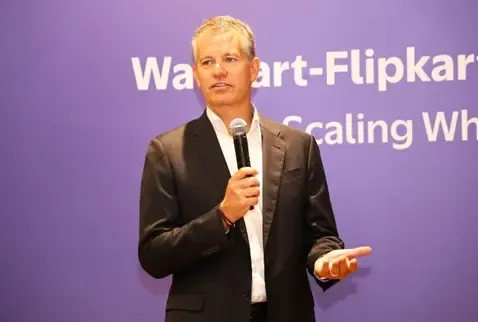
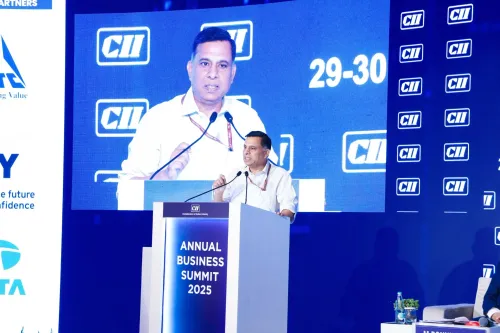
John Furner, President and CEO of Walmart, declared on Thursday, 7 May 2026 that India represents "one of the most dynamic opportunities in global commerce today," as the retail giant revealed it has already sourced more than $40 billion in goods from the country. Furner made the remarks at the second edition of the Walmart Growth Summit – India 2026 in New Delhi, underscoring the company's deepening commitment to Indian suppliers and manufacturers.
Key Announcements at the Summit
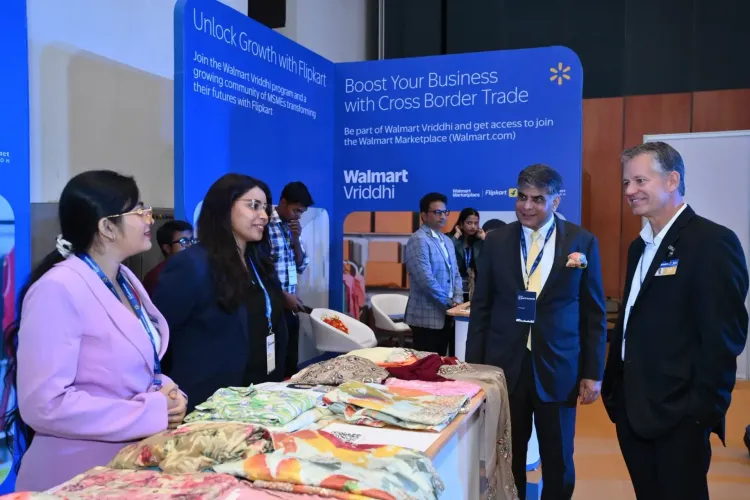
Walmart's Vriddhi Supplier Development Programme marked a significant milestone at the event, announcing it has trained over 1,15,000 MSMEs across India since its launch in 2019. The programme has equipped small and medium businesses with digital capabilities, critical business skills, and access to new export markets. Walmart has set an ambitious target to support a total of 1,70,000 MSMEs by 2028, reinforcing the pipeline of businesses ready to compete globally.
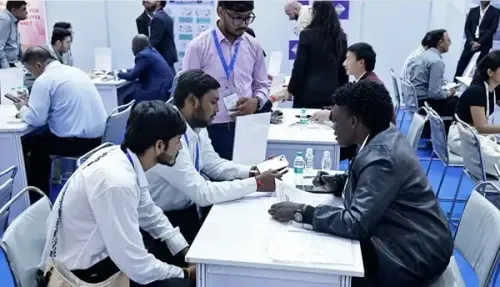
The summit drew more than 5,000 registrations, with sellers expressing strong interest in onboarding to the Walmart Marketplace to reach customers in the United States and beyond. The event attracted export-ready businesses, digital-first brands, and supply chain partners exploring growth opportunities across domestic and international markets.
What Walmart Said About India's Role
Furner outlined three strategic priorities for Walmart's India engagement: strengthening entrepreneur and supplier capabilities, raising compliance and quality standards, and helping scale manufacturing so more Indian businesses are export-ready. "This work is expanding economic opportunity and connecting innovative businesses in India with customers around the world," he said.
Notably, the $40 billion sourcing figure positions India as one of Walmart's most significant global procurement hubs, reflecting a years-long effort to diversify supply chains away from single-market dependence — a trend accelerated by global trade disruptions in recent years.
Flipkart's Role in the Ecosystem
Kalyan Krishnamurthy, Group CEO of Flipkart Group — a Walmart subsidiary — reinforced the growing role of Indian businesses in global supply chains. "At Flipkart Group, we have seen firsthand how technology and digital commerce can unlock opportunities for millions of small businesses, entrepreneurs, artisans, and local communities across India," he said.
Krishnamurthy highlighted twin initiatives — Flipkart Samarth and Walmart Vriddhi — as vehicles for building capabilities, improving market access, and creating pathways for businesses to grow both domestically and globally. "Our focus continues to be on building an inclusive and empowering commerce ecosystem for India," he added.
Why This Matters for Indian MSMEs
India's MSME sector employs hundreds of millions and contributes significantly to the country's export basket, yet many small businesses have historically struggled with access to global markets, compliance requirements, and digital infrastructure. Walmart's structured supplier development effort addresses precisely these gaps, offering a direct channel to one of the world's largest retail networks.
This comes amid a broader global push by multinational retailers to build resilient, diversified supply chains — a shift that has accelerated since the Covid-19 pandemic exposed the risks of over-concentration. India, with its manufacturing base, large workforce, and improving logistics infrastructure, has emerged as a key beneficiary of this realignment.
What Comes Next
With the 2028 MSME target now firmly on record and Walmart Marketplace onboarding gaining momentum, the next phase will test whether smaller Indian exporters can consistently meet the compliance and quality benchmarks that global retail demands. Industry observers will watch whether the programme's training translates into measurable export growth — a metric Walmart has not yet publicly detailed.
Point of View
But the more consequential story is structural: Walmart is systematically building an Indian export supply chain from the ground up, one MSME at a time. The Vriddhi programme's 1,15,000-trainee milestone is meaningful, but the critical question — how many of those businesses have actually landed export orders — remains unanswered. Walmart's reticence on outcome metrics echoes a familiar pattern in corporate-led MSME development, where inputs are counted and outputs are not. As India pushes to grow its merchandise export share, the difference between capability-building and actual export conversion will determine whether this partnership moves the needle or remains a well-resourced goodwill exercise.
NationPress
22 Sept 2026
Frequently Asked Questions
How much has Walmart sourced from India so far?
Walmart has sourced more than $40 billion in goods from India, according to CEO John Furner's statement at the Walmart Growth Summit – India 2026 on 7 May 2026. This positions India as one of Walmart's most significant global procurement markets.
What is the Walmart Vriddhi Supplier Development Programme?
Walmart Vriddhi is a supplier development initiative launched in 2019 that trains Indian MSMEs in digital capabilities, business skills, and export market access. As of May 2026, it has trained over 1,15,000 MSMEs, with a target to support 1,70,000 by 2028.
What is the Walmart Growth Summit – India 2026?
It is the second edition of Walmart's India-focused business summit, held in New Delhi on 7 May 2026. The event brought together export-ready businesses, MSMEs, digital-first brands, and supply chain partners, drawing over 5,000 registrations.
What role does Flipkart play in Walmart's India strategy?
Flipkart, a Walmart subsidiary, is a key pillar of the India strategy. Flipkart Group CEO Kalyan Krishnamurthy highlighted programmes like Flipkart Samarth alongside Walmart Vriddhi as tools to help Indian businesses grow domestically and access global markets.
Why is Walmart expanding its India sourcing?
Walmart is deepening its India sourcing as part of a broader global effort to diversify supply chains and reduce dependence on single markets — a trend accelerated by pandemic-era disruptions. India's manufacturing base, large workforce, and improving logistics make it a key beneficiary of this shift.