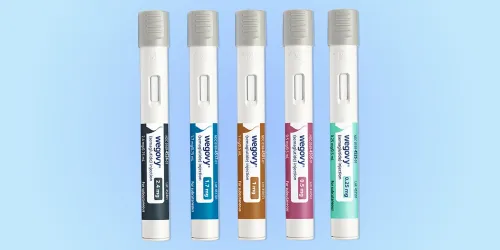
Illegal Wegovy, Mounjaro imports triple in South Korea in H1 2026

Synopsis
South Korea's customs agency intercepted more illegal Wegovy and Mounjaro shipments in just six months of 2026 than in all of 2025 — and the numbers are accelerating. With online overseas purchases fuelling a postal smuggling wave and domestic pharma companies pouring billions into R&D, the country is caught between a black-market obesity drug crisis and a race to build its own pharmaceutical answer.
Key Takeaways
4,155 illegal import cases of Wegovy and Mounjaro were detected in January–June 2026 , more than triple the 1,189 cases recorded in all of 2025 .
3,489 of the violations involved illegal mail shipments — up from 1,046 in all of last year.
656 cases involved travellers carrying the drugs in personal luggage, up from 134 in 2025.
Both Wegovy and Mounjaro are banned from being brought into South Korea in hand luggage.
Yuhan Corp. spent 122.2 billion won on R&D in H1 2026, up 13.8% year-on-year.
Chong Kun Dang Pharmaceutical invested 113.5 billion won in new drug development, a 36.6% increase from H1 2025.
Illegal attempts to import weight-loss drugs Wegovy and Mounjaro into South Korea surged more than threefold in the first half of this year, with 4,155 cases detected between January and June — far outpacing the 1,189 cases recorded across all of 2025, according to data released by the Korea Customs Service on Monday, 24 August. The sharp rise underscores a growing black-market appetite for GLP-1 receptor agonist medications, which have seen surging global demand.
Scale of Illegal Imports
The bulk of illicit shipments arrived through postal channels. The customs agency intercepted 3,489 illegal mail parcels containing Wegovy and Mounjaro in the first half of the year, more than triple the 1,046 mail cases logged in all of 2025. Separately, 656 cases involved travellers carrying the medications in personal luggage — up sharply from 134 such cases last year. Both Wegovy and Mounjaro are banned from being brought into South Korea in hand luggage.
Legal Clearances Also Rising, But Dwarfed by Violations
Legal customs clearances for the two drugs also increased, with 391 cases cleared in the first six months of this year compared with 191 cases in all of 2025. However, legal imports remain a fraction of detected illegal attempts, pointing to a significant supply-demand mismatch within South Korea's regulated pharmaceutical market. Most illegal purchases are reportedly being made through overseas online marketplaces, with buyers using international shipping services to receive the drugs.
Customs Authority Issues Warning
A senior official from the Korea Customs Service issued a direct warning to prospective buyers. 'Unauthorised imports of Wegovy and Mounjaro are a serious violation of the Customs Act and are subject to punishment,' the official said. 'We will thoroughly block the illegal inflow of harmful pharmaceuticals at the border.' The agency has indicated it will intensify border surveillance targeting pharmaceutical shipments.
South Korean Pharma Companies Ramp Up R&D
This comes amid a broader push by South Korea's domestic pharmaceutical sector to develop homegrown alternatives. Major companies each spent approximately 100 billion won on research and development in the first half of the year. Yuhan Corp., known for its anti-inflammatory product Antiphlamine, invested 122.2 billion won in R&D during the January–June period — a 13.8% rise year-on-year, representing 10.5% of its first-half sales, according to its regulatory filing. Chong Kun Dang Pharmaceutical Corp., maker of the household pain reliever Penzal, channelled 113.5 billion won — or 12.3% of first-half sales — into new drug development, a 36.6% jump compared to the same period in 2025. The R&D surge signals that domestic players are racing to secure a foothold in the obesity and metabolic drug market before international brands fully consolidate their lead.
Point of View
The black market is filling a gap that policy has left open. The customs crackdown will suppress some volume, but without faster regulatory approvals or domestic alternatives reaching market, the underlying pressure will persist. The simultaneous R&D surge from Yuhan and Chong Kun Dang suggests Korean pharma sees the writing on the wall — but drug development timelines mean relief is years away, not months.
NationPress
8 Oct 2026
Frequently Asked Questions
How many illegal Wegovy and Mounjaro import cases were detected in South Korea in 2026?
The Korea Customs Service detected 4,155 illegal import cases involving Wegovy and Mounjaro in the first half of 2026 alone — more than triple the 1,189 cases recorded across all of 2025. The majority arrived via international mail parcels from overseas online retailers.
Why are Wegovy and Mounjaro being illegally imported into South Korea?
Both drugs are in high demand as weight-loss medications but face regulatory restrictions on how they can be brought into the country. South Korean law bans carrying them in travellers' hand luggage, and legal customs clearances remain limited, pushing buyers toward overseas online purchases and illicit shipping channels.
What are the legal consequences of illegally importing these drugs in South Korea?
Unauthorised imports of Wegovy and Mounjaro constitute a serious violation of South Korea's Customs Act and are subject to criminal punishment, according to the Korea Customs Service. Authorities have pledged to intensify border checks to block illegal pharmaceutical inflows.
How much are South Korean pharma companies investing in new drug R&D?
Major South Korean pharmaceutical firms each spent approximately 100 billion won on R&D in the first half of 2026. Yuhan Corp. invested 122.2 billion won — up 13.8% year-on-year — while Chong Kun Dang Pharmaceutical spent 113.5 billion won, a 36.6% increase from the same period in 2025.
What channels are being used to smuggle Wegovy and Mounjaro into South Korea?
Most illegal imports arrive via international mail, with buyers purchasing the medications through overseas online marketplaces and using international shipping services for delivery. In the first half of 2026, 3,489 illegal mail shipments were intercepted, alongside 656 cases of travellers carrying the drugs in personal luggage.