CM Pema Khandu opens E-Library & E-Learning Centre in Pasighat
Synopsis
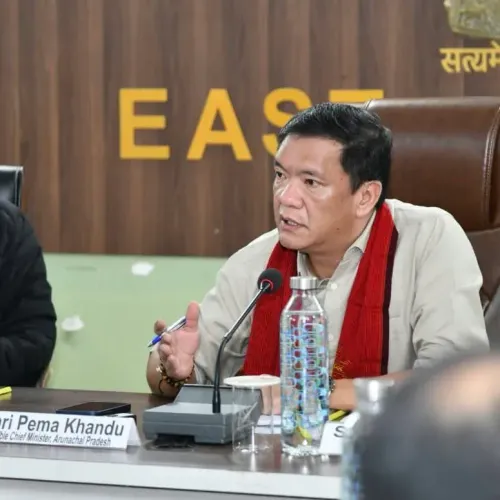
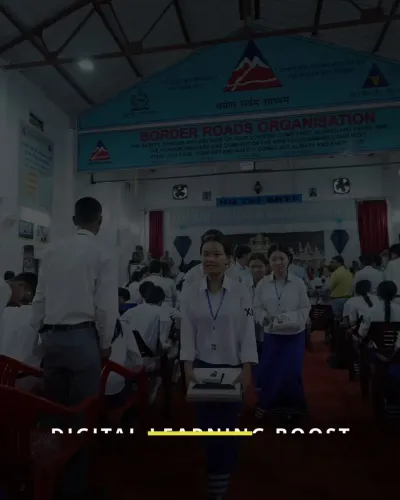
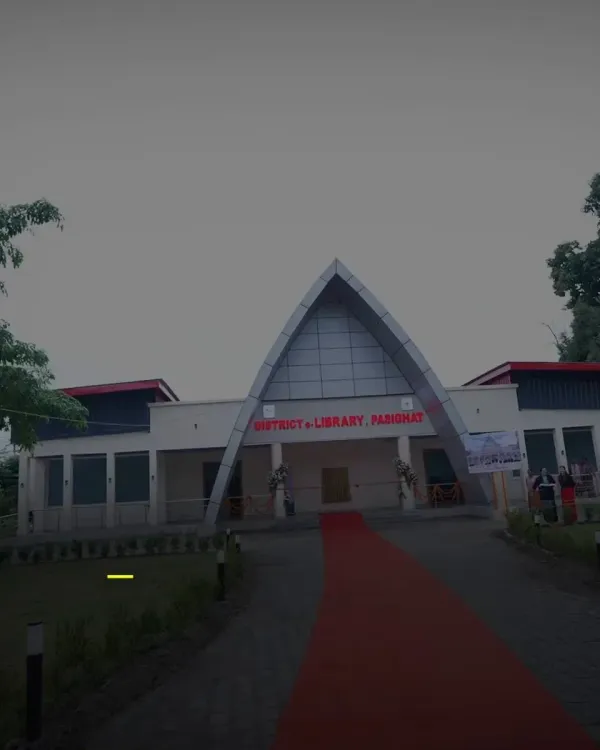
Arunachal Pradesh CM Pema Khandu on October 8, 2026 inaugurated a District E-Library and Children's E-Learning Centre in Pasighat, bringing structured digital access to East Siang's youngest residents as part of a broader 'smarter Pasighat' push.
Key Takeaways
CM Pema Khandu inaugurated the District E-Library and Children's E-Learning Centre in Pasighat on October 8, 2026 .
The facility serves East Siang district and targets both general public readers and school-going children.
The launch is framed as part of a 'smarter Pasighat' civic modernisation vision that extends to digital infrastructure.
Pasighat is the oldest town in Arunachal Pradesh and a regional development anchor for surrounding villages.
The centre aims to close the digital access gap for children who lack devices or reliable home internet.
Long-term impact will depend on sustained connectivity, trained facilitators, and locally relevant digital content.
A town famous for its gateway to the Siang river valley just got a new landmark — not one of stone and steel, but of screens and knowledge. Arunachal Pradesh Chief Minister Pema Khandu on Thursday, October 8, 2026, announced the inauguration of a District E-Library and Children's E-Learning Centre in Pasighat, calling it a 'valuable addition to the city' that brings modern learning spaces and digital access closer to young people.
What Pasighat's new digital learning hub offers
The facility combines two functions in one address: a district-level e-library for the wider public and a dedicated e-learning centre aimed specifically at children. CM Khandu framed the launch as part of a broader 'smarter Pasighat' vision, signalling that civic modernisation in the state capital of East Siang district is no longer limited to roads and infrastructure — it now extends to intellectual infrastructure.
Digital access remains unevenly distributed across Arunachal Pradesh, a state where terrain and connectivity gaps have historically kept rural and semi-urban communities at a disadvantage. A facility that consolidates e-resources and structured e-learning under one roof is a meaningful step toward closing that gap, particularly for school-going children who may lack devices or reliable internet at home.
Pasighat's place in Arunachal's development story
Pasighat, the oldest town in Arunachal Pradesh, serves as the administrative and commercial hub of East Siang district. It hosts the state's first airport outside Itanagar and has seen successive rounds of infrastructure investment over the past decade. The addition of a public e-library and children's learning centre fits into a pattern of the state government directing development resources toward towns that can serve as regional anchors — places where investment multiplies because they serve surrounding villages too.
Chief Minister Khandu has consistently positioned digital literacy as foundational to the state's longer-term growth ambitions, arguing that frontier infrastructure alone cannot lift Arunachal unless its young population is equipped to participate in the knowledge economy.
Why digital libraries matter more in border states
For a state that shares sensitive international boundaries and where physical book distribution chains are costly and slow, e-libraries carry an outsized practical value. Children in Pasighat can now access the same digital catalogues and online learning platforms available to peers in metros — without waiting for textbooks to travel winding mountain roads. That equity argument is the quiet engine behind announcements like this one, and it is the metric by which the facility's real impact will eventually be judged.
The centre's success will depend on sustained connectivity, trained facilitators, and curated content in languages children here actually speak. Those are the details that turn ribbon-cutting moments into lasting change.
Point of View
Roads, optical fibre — with human capital arguments, and this facility continues that narrative. For the BJP, visible digital welfare assets in tribal-majority districts serve both a governance and a political purpose, reinforcing the party's outreach in a state it has dominated electorally. The real test, as with most such centres across India's northeast, will be utilisation rates and content quality rather than the inauguration itself.
NationPress
8 Oct 2026
Frequently Asked Questions
What is the District E-Library and Children's E-Learning Centre in Pasighat?
It is a newly inaugurated public facility in Pasighat, Arunachal Pradesh that combines a district-level digital library for general use with a dedicated e-learning space for children, providing structured access to digital resources.
Who inaugurated the Pasighat E-Library in 2026?
Arunachal Pradesh Chief Minister Pema Khandu inaugurated the facility on October 8, 2026, announcing it on his official X account.
Where is Pasighat located and why is it significant?
Pasighat is the oldest town in Arunachal Pradesh and the administrative hub of East Siang district. It is a regional anchor for surrounding communities and hosts the state's first airport outside Itanagar.
What is the 'smarter Pasighat' vision CM Khandu mentioned?
It refers to a civic modernisation agenda for Pasighat that extends beyond physical infrastructure — roads and utilities — to include digital and educational assets that can serve the town's growing population.
How does the e-library help children in Arunachal Pradesh?
It provides children who may lack personal devices or home internet with a structured space to access digital learning platforms and catalogues, reducing the educational gap between frontier towns and urban centres.