Atal Incubation Centre launched in Kolkata: NITI Aayog VC bets on Bengal's startup future
Synopsis
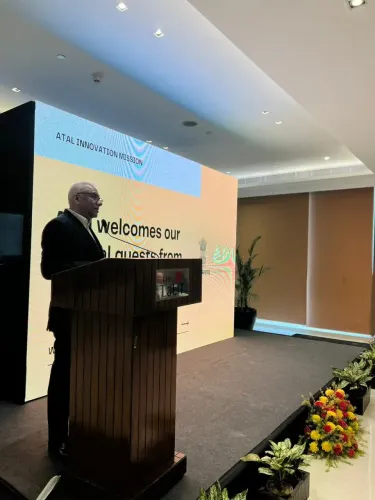
West Bengal got its first Atal Incubation Centre on 26 July, inaugurated by NITI Aayog Vice Chairman Ashok Kumar Lahiri at Techno India University in Kolkata. The launch is the state's formal entry into the Centre's flagship startup support architecture — and Lahiri used the occasion to argue that Bengal's resurgence is inseparable from India's Viksit Bharat ambition.
Key Takeaways
NITI Aayog Vice Chairman Ashok Kumar Lahiri inaugurated West Bengal's first Atal Incubation Centre on 26 July at Techno India University, Kolkata .
The centre operates under the Atal Innovation Mission (AIM) , the Centre's flagship entrepreneurship programme.
Lahiri called incubation centres pivotal to commercialising research and bridging academia, industry, and investors.
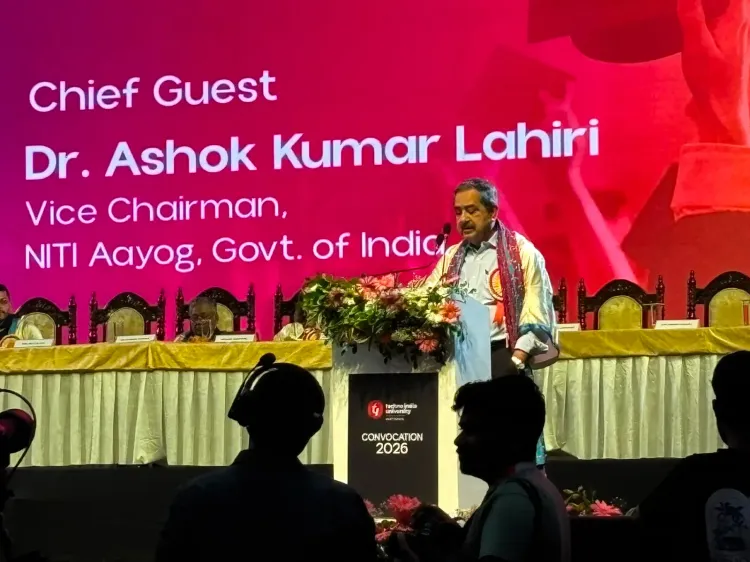
He addressed the Annual Convocation of Techno India University , urging graduates to combine technical skills with integrity and discipline.
At The Bengal Club , Lahiri linked West Bengal's development — across human capital, infrastructure, and industry — to the broader Viksit Bharat 2047 vision.
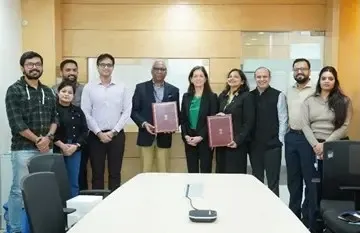
NITI Aayog Vice Chairman Ashok Kumar Lahiri on Sunday, 26 July inaugurated West Bengal's first Atal Incubation Centre under the Atal Innovation Mission at Techno India University in Kolkata, calling incubation centres pivotal to nurturing entrepreneurs, commercialising research, and creating long-term economic value. The launch marks a significant milestone in the state's push to build a structured innovation ecosystem.
What the Atal Incubation Centre Aims to Do
Addressing the inauguration, Lahiri underscored the transformative role such centres can play. 'Incubation centres provide an enabling environment for startups by supporting entrepreneurs, facilitating the commercialisation of research and fostering stronger partnerships between educational institutions, industry and investors,' he said.
He expressed confidence that the new facility would unlock the entrepreneurial potential of West Bengal's youth and catalyse a vibrant innovation culture in the state. The centre is expected to serve as a bridge between academic research and market-ready ventures, a gap that has historically constrained India's startup pipeline outside metro hubs.
Lahiri's Message to Graduating Students
Later the same day, Lahiri addressed the Annual Convocation of Techno India University, congratulating graduating students and urging them to pair technical competence with integrity, discipline, and sound judgement as they enter professional life.
'India's future would be shaped by the dedication, innovation and entrepreneurial spirit of its young professionals,' he said, adding that the newly launched centre would further deepen the culture of entrepreneurship across the state.
Bengal's Role in Viksit Bharat
Lahiri also spoke at The Bengal Club, addressing eminent intellectuals and distinguished personalities on the theme 'Resurgence of Bengal in the Context of Viksit Bharat.' He observed that the vision of a developed India by 2047 could only be realised through the equitable development of individual states.
Recalling West Bengal's rich legacy in industry, education, and innovation, he stressed the need to strengthen human capital, physical infrastructure, industrial development, and institutional capacity to unlock the state's full growth potential. Notably, Bengal's historical prominence in commerce and intellectual life makes it a natural candidate for a renewed innovation push — if structural bottlenecks around investment climate and infrastructure are addressed.
Atal Innovation Mission: The Broader Context
The Atal Innovation Mission (AIM), anchored by NITI Aayog, has been the Centre's flagship programme to seed entrepreneurship across India's educational institutions. The launch of West Bengal's first AIM-backed incubation centre signals a geographical expansion of the mission into a state that has, until now, had limited formal integration with the national startup support architecture.
With India targeting a $1 trillion digital economy and sustained manufacturing growth, the role of state-level incubation infrastructure is increasingly seen as critical. The Kolkata centre's performance will be closely watched as a test case for replicating the model across eastern India.
Point of View
But the gap underscores how uneven the national startup support architecture remains — heavily concentrated in Bengaluru, Hyderabad, and Delhi-NCR. Lahiri's Viksit Bharat framing is the right one, but rhetoric about Bengal's intellectual legacy will not move investment needles without a credible improvement in ease of doing business at the state level. The incubation centre is a necessary condition, not a sufficient one.
NationPress
25 Oct 2026
Frequently Asked Questions
What is the Atal Incubation Centre launched in Kolkata?
It is West Bengal's first incubation centre under the Atal Innovation Mission, inaugurated on 26 July at Techno India University in Kolkata. The centre aims to support startups, commercialise academic research, and foster collaboration between educational institutions, industry, and investors.
Who inaugurated the Atal Incubation Centre in West Bengal?
NITI Aayog Vice Chairman Ashok Kumar Lahiri inaugurated the centre on 26 July. He expressed confidence that the facility would unlock the entrepreneurial potential of West Bengal's youth and help build a vibrant innovation ecosystem in the state.
What is the Atal Innovation Mission?
The Atal Innovation Mission (AIM) is a flagship initiative of NITI Aayog designed to promote entrepreneurship and innovation across India's educational institutions and beyond. It funds and supports incubation centres, tinkering labs, and startup programmes nationwide.
How does this relate to the Viksit Bharat vision?
Lahiri argued that India's Viksit Bharat 2047 goal — a fully developed India by the centenary of independence — can only be achieved through the development of individual states. He emphasised strengthening West Bengal's human capital, infrastructure, and industrial capacity as essential contributions to that national target.
Who is affected by this launch?
Students, researchers, and early-stage entrepreneurs in West Bengal stand to benefit most directly, gaining access to structured mentorship, funding linkages, and industry partnerships through the new centre. The broader startup and academic ecosystem in eastern India may also see ripple effects if the model proves successful.