Angad Hasija on TV's long hours: 'That is how it works'

Synopsis
'Bidaai' veteran Angad Hasija isn't complaining about 12-hour TV shifts — he's calling them progress. Having once worked 18-20 hour days on the same show, he argues that anyone who signs a daily soap should walk in with eyes wide open. It's a pragmatic take that cuts through the ongoing debate on TV work conditions.
Key Takeaways
Angad Hasija , known for 'Sapna Babul Ka… Bidaai' , addressed the debate on long working hours in Indian television.
He said standard shifts now run to around 12 hours , down from 18-20 hours during the early days of 'Bidaai' .
Hasija argued that actors who sign daily soaps must accept the demanding schedule as part of the format.
He credited improved on-set timings as a significant positive change in the industry over the years.
The broader debate on TV work conditions continues, with younger industry voices calling for structural reform.
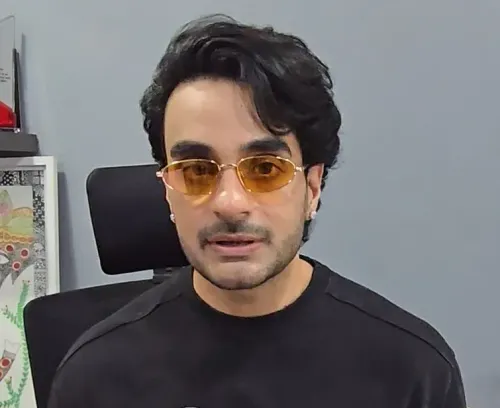
Angad Hasija, best known for playing Alekh Rajvansh in the popular daily soap 'Sapna Babul Ka… Bidaai', has opened up about the demanding work culture in Indian television — and why he believes actors must simply accept it as part of the job.
What Angad Said About Working Hours
Speaking exclusively, Hasija acknowledged that long shifts are an inherent part of the television ecosystem, driven by the pressure of fixed telecast schedules. 'I think television is like this. You have to work day and night, especially when there is a telecast problem,' he said.
He was candid about the industry's expectations: 'My thinking is that if you are doing television and have signed a show, you should understand that it is a daily soap. That is how it works.'
How Things Have Improved Over the Years
Hasija was quick to note that conditions have improved significantly compared to the early days of his career. During the original run of 'Bidaai', shifts of 18 to 20 hours were not uncommon. Today, the standard shift runs to approximately 12 hours, with an additional hour or two only when telecast requirements demand it.
'Now it is much more comfortable. Generally, it is around twelve hours, and if there is a telecast requirement, there may be an additional one or two hours. I think timings have improved a lot,' he said.
The Mindset That Keeps Him Going
For Hasija, the key is mental preparation before signing any project. He said that walking onto a set with a clear understanding of what a daily soap entails prevents frustration over long hours. 'Whenever I sign a show, I understand what I am getting into,' he concluded, adding that this mindset ensures he never feels disheartened by the workload.
Context: The Broader Debate on TV Work Conditions
The conversation around working hours in Indian television has gained renewed attention in recent years, with several actors and crew members publicly raising concerns about physical and mental exhaustion. While regulatory frameworks exist, enforcement on sets remains inconsistent, and daily soaps — with their relentless production schedules — continue to place the heaviest demands on cast and crew alike. Hasija's remarks reflect a pragmatic acceptance that is common among veteran television actors, even as younger voices in the industry push for structural reform.
Point of View
But it also inadvertently normalises a status quo that the industry has struggled to move past. The shift from 20-hour to 12-hour days is real progress, yet 12-hour shifts as a baseline — six or seven days a week for daily soap actors — would breach labour norms in most other industries. The conversation in Indian television has long been about acceptance rather than accountability, and veteran actors endorsing the grind, however pragmatically, makes it harder for junior cast and crew to push back without career risk.
NationPress
26 Sept 2026
Frequently Asked Questions
Who is Angad Hasija?
Angad Hasija is an Indian television actor best known for playing Alekh Rajvansh in the long-running daily soap 'Sapna Babul Ka… Bidaai'. He has been a recognisable face in Hindi television for over a decade.
What did Angad Hasija say about working hours in television?
Hasija said that long working hours are an unavoidable part of television, particularly for daily soaps that must meet fixed telecast schedules. He noted that shifts have improved from 18-20 hours during the early days of 'Bidaai' to around 12 hours today.
Has the situation for TV actors improved over the years?
According to Hasija, yes — significantly. He described current conditions as 'much more comfortable' compared to the near-round-the-clock shoots that were common when 'Bidaai' first aired. Fixed timings are now more standard across productions.
What is Angad Hasija's advice to actors entering television?
Hasija advises that anyone signing a daily soap must go in with a clear understanding of the format's demands. He said that entering with this mindset prevents disappointment over long hours, adding: 'Whenever I sign a show, I understand what I am getting into.'
Why is the debate on TV working hours significant?
Several Indian television actors and crew members have raised concerns in recent years about physical and mental exhaustion from gruelling production schedules. While guidelines exist, enforcement is inconsistent, making the issue an ongoing point of contention in the industry.