Awarapan 2 Review: Emraan Hashmi's Shivam Pandit returns, earns 4 stars
Synopsis
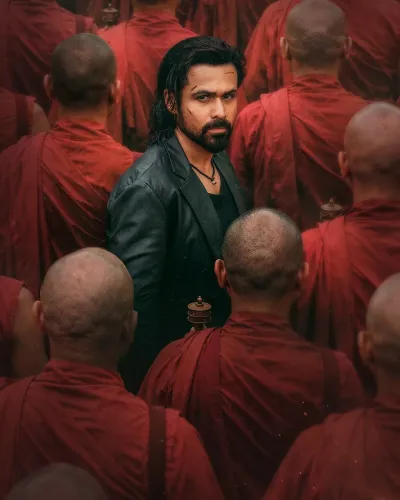
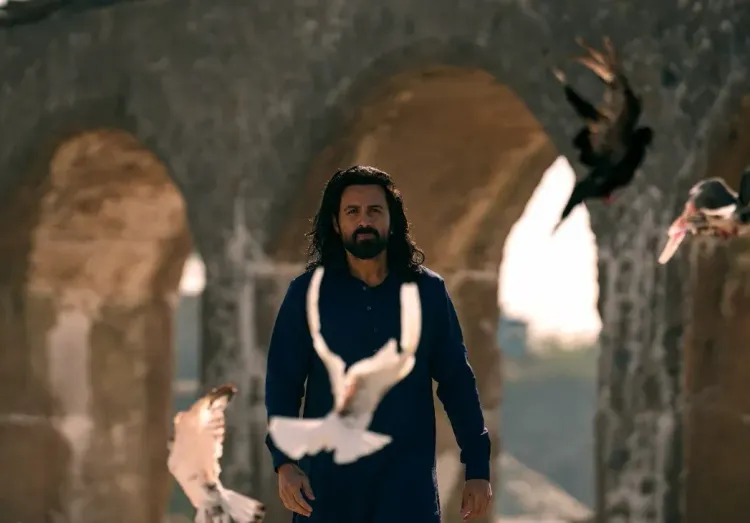
Nearly two decades after the cult original, Emraan Hashmi steps back into Shivam Pandit's shoes — and the sequel earns it. Awarapan 2 trades the first film's bleak intimacy for a full-scale crime thriller built around child trafficking and organised crime, yet keeps the grief and redemption arc intact. Puran Gabbi emerges as a genuine discovery, and Mithoon's reimagined score remains the franchise's most powerful emotional instrument.
Key Takeaways
Awarapan 2 is directed by Nitin Kakkar and written by Bilal Siddiqui , with a runtime of 140 minutes .
The film earns 4 out of 5 stars for honouring its 2007 cult original while building a larger crime thriller around the same emotional core.
Emraan Hashmi reprises Shivam Pandit , whose return is driven by an international child-trafficking case rather than nostalgia.
Puran Gabbi is singled out as the film's standout discovery, bringing unpredictability to the role of Zorawar .
Composers Mithoon , Amaal Mallik , and Jeet Gannguli reimagine franchise favourites alongside a new track sung by Arijit Singh .
Writer-producer Vishesh Bhatt drives the franchise vision, positioning Awarapan 2 as a deliberate next chapter rather than a cash-in sequel.
Awarapan 2, directed by Nitin Kakkar and written by Bilal Siddiqui, stars Emraan Hashmi, Disha Patani, Shabana Azmi, Puran Gabbi, and Suvinder Vicky in a 140-minute runtime. The film earns 4 out of 5 stars for delivering a sequel that honours its cult original while expanding into a full-scale crime thriller built around grief, sacrifice, and redemption.
The Story: A Personal Mission, Not a Nostalgia Trip
Shivam Pandit returns carrying the memory of Aaliyah from the 2007 original. He discovers an abandoned infant girl at her grave, places her in an orphanage under his quiet financial care, and names her Aaliyah. When a couple adopts her, Shivam convinces himself it is the right outcome — until he uncovers their connection to an international child-trafficking syndicate. After Interpol confirms the girl has been abducted, Shivam has no choice but to re-enter the criminal world he had tried to leave behind.
The premise earns its sequel status. This is not a reunion manufactured for nostalgia; it is a logical next chapter driven by guilt, protection, and the impossibility of walking away cleanly from a past life. The narrative arc moves the franchise from the compact, intimate moral awakening of the original into a larger thriller involving organised crime, trafficking, revenge, and sacrifice — without losing the emotional centre that made Shivam Pandit memorable in the first place.
Vishesh Bhatt's Franchise Vision Gives the Film Its Spine
A significant force behind Awarapan 2 is writer-producer Vishesh Bhatt, who co-produced the original Awarapan and now drives the franchise's expansion. The film is not simply capitalising on a cult following — it reflects a deliberate creative strategy to build Shivam Pandit's story across chapters while preserving the emotional and musical identity of Vishesh Films. Kakkar and the entire production follow that lead, and the collaboration between Emraan Hashmi and Vishesh Films remains one of the film's most consistent strengths.
Performances: Hashmi Anchors, Gabbi Surprises
Emraan Hashmi is, predictably, the film's biggest asset. He inhabits Shivam with the same controlled rage and quiet grief that defined the original, now layered with nearly two decades of accumulated loss. The performance never tips into self-parody, which is the real risk when an actor revisits an iconic role after so long.
Disha Patani as Zara — a woman inadvertently drawn into the criminal world surrounding her family — gets a stronger dramatic brief than her recent outings and brings genuine vulnerability to the role. Her brother Zorawar, played by Puran Gabbi, is the film's most pleasant discovery: unpredictable, layered, and never reduced to a standard gangster type. Shabana Azmi as Nafisa brings the expected gravitas. Suvinder Vicky as Jaideep, Vijayant Kohli as Mehmood, Atul Kumar as Samarth, and Aniruddh Rawal as Sikandar collectively add credible weight to the criminal and investigative world surrounding Shivam.
Music: The Franchise's Emotional Language, Not Just a Soundtrack
The music is where Awarapan 2 makes its most important connection with the original. Composers Mithoon, Amaal Mallik, and Jeet Gannguli carry forward the franchise's musical identity, with lyrics by Sayeed Quadri and Rashmi Virag. Returning favourites 'Tera Mera Rishta' and 'Toh Phir Aao' have been reimagined by Mithoon, while 'Yeh Awarapan', sung by Arijit Singh, adds a fresh emotional layer.
Notably, the music is not a nostalgia device. It functions as narrative language — tracking Shivam's emotional state, building atmosphere, and integrating into the storytelling rather than punctuating it. The theatrical sound design amplifies this; the compositions are built to be heard at scale.
Verdict: A Bigger, Louder Chapter That Still Carries the Original's Wound
Awarapan 2 succeeds because it refuses to pretend cinema has not changed since 2007. It is more ambitious, more conventional as a thriller, and more visually expansive than the original — but it does not abandon the grief, rage, and search for redemption that defined Shivam Pandit. It may lack the bleak intimacy of its predecessor, but that is not what this film is attempting. This is the 2026 chapter of a story that still has somewhere to go, and it makes a credible case for going there.
Point of View
But it does so by trading the original's raw intimacy for mainstream thriller mechanics. The franchise ambition is transparent, and Vishesh Bhatt's creative calculus is sound: expand the world, keep the soul. What the film cannot fully replicate is the first Awarapan's willingness to sit with discomfort rather than resolve it through action set-pieces. The question the sequel leaves open is whether the next chapter can find a middle ground between the bleak poetry of 2007 and the commercial demands of 2026 — that tension is where the franchise's real test lies.
NationPress
14 Aug 2026
Frequently Asked Questions
Is Awarapan 2 a good film?
Awarapan 2 earns 4 out of 5 stars. It is a well-crafted crime thriller that respects its 2007 cult original while scaling up into a larger story involving child trafficking and organised crime, anchored by a strong performance from Emraan Hashmi.
What is the story of Awarapan 2?
Shivam Pandit discovers an abandoned infant girl, names her Aaliyah after the woman he lost in the original film, and arranges for her adoption — only to learn the adoptive family is connected to an international child-trafficking syndicate. When Interpol confirms the girl has been abducted, Shivam is pulled back into the criminal world he had tried to leave behind.
Who are the new cast members in Awarapan 2?
Disha Patani plays Zara, a woman inadvertently caught up in the criminal world surrounding her family. Puran Gabbi plays her brother Zorawar, and is described as the film's standout new discovery. Shabana Azmi, Suvinder Vicky, Vijayant Kohli, Atul Kumar, and Aniruddh Rawal round out the supporting cast.
How does the music of Awarapan 2 compare to the original?
Composers Mithoon, Amaal Mallik, and Jeet Gannguli reimagine returning favourites 'Tera Mera Rishta' and 'Toh Phir Aao', while Arijit Singh performs a new track, 'Yeh Awarapan'. The music functions as narrative language rather than a nostalgia device, and is considered one of the sequel's strongest elements.
How does Awarapan 2 differ from the 2007 original?
The original Awarapan was a compact, intimate moral drama focused on personal transformation. Awarapan 2 is a larger-scale crime thriller involving trafficking, organised crime, and action, though it retains the grief and redemption arc at its core. The tone is bigger and more commercially oriented, but the emotional DNA of the franchise is preserved.