Anees Bazmee marks 36 years of 'Swarg', recalls breakthrough writing role
Synopsis
Anees Bazmee's nostalgic reflection on 'Swarg' at 36 years reveals how a single film can redefine a career. The 1990 family drama didn't just mark his arrival as a screenwriter — it set the template for three decades of Hindi cinema's biggest commercial entertainers, from 'No Entry' to 'Bhool Bhulaiyaa 3'.
Key Takeaways
Anees Bazmee marked the 36th anniversary of Swarg on 2 May , his first major writing project.
The 1990 family drama, directed by David Dhawan , starred Rajesh Khanna and Govinda and became a commercial success.
Bazmee's career as a screenwriter took off after Swarg , with the industry recognising him as an arrived talent.
He has since directed and written No Entry , Welcome , Singh Is Kinng , Ready , Bhool Bhulaiyaa 2 , and Bhool Bhulaiyaa 3 .
The film's ensemble cast included Juhi Chawla , Paresh Rawal , Satish Kaushik , and Neena Gupta .
Filmmaker and writer Anees Bazmee on 2 May revisited his career-defining debut as a screenwriter, marking the 36th anniversary of Swarg, the 1990 family drama starring late superstar Rajesh Khanna and Govinda. The film, directed by David Dhawan, became a commercial milestone that launched Bazmee into the upper echelon of Hindi cinema's writing fraternity.
The breakthrough moment
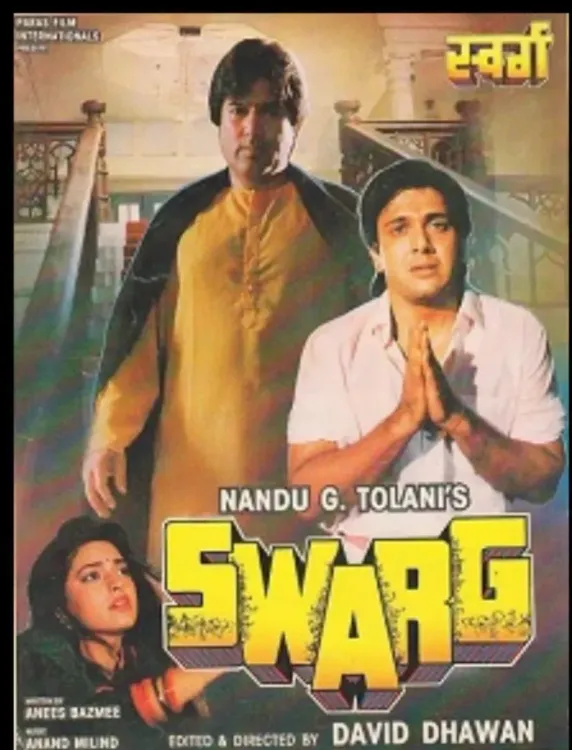
Sharing the film's poster on social media, Bazmee wrote: "On the 36th anniversary of Swarg, I'm overwhelmed with gratitude! As a writer, the very first film marked a turning point in my career. The love and appreciation I received from everyone meant the world to me. When they said 'the writer had arrived', since then, I've been fortunate to write for many talented filmmakers!" The candid reflection underscored how pivotal this single project had been in establishing his credentials in an industry where screenwriting often goes unsung.
What 'Swarg' was about
The emotional family drama centred on themes of loyalty, betrayal, and dedication. Rajesh Khanna played the dignified patriarch Sahabji, while Govinda essayed his fiercely loyal house help and aide Krishna. The ensemble cast also featured Juhi Chawla, Madhavi, Paresh Rawal, Satish Kaushik, and Neena Gupta. Its blend of melodrama and social commentary resonated with audiences, making it a defining film of early-1990s Hindi cinema.
From writing to direction
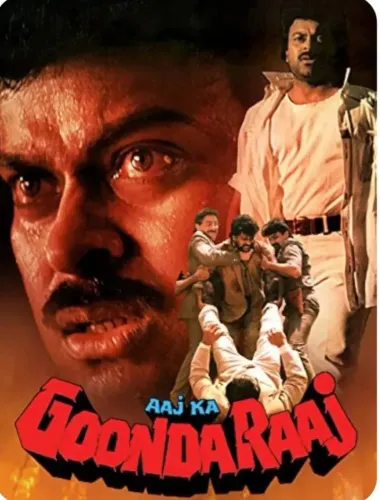
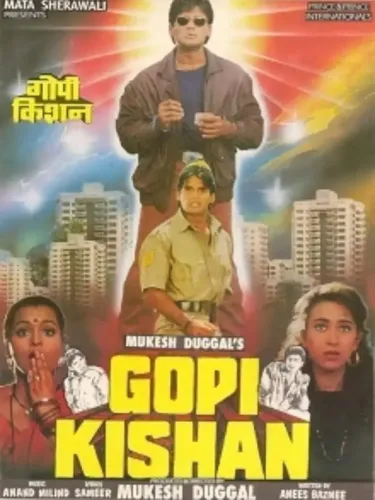
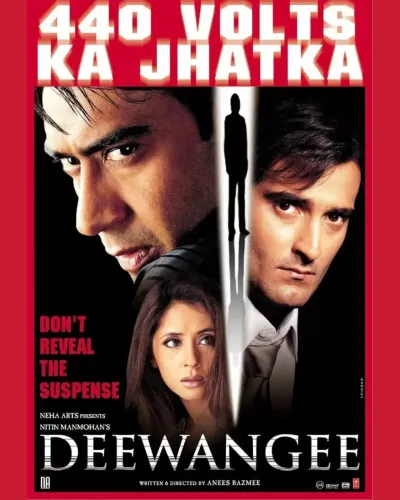
Bazmee began his screenwriting journey in the late 1980s before transitioning into direction. Over three decades, he has authored and helmed some of Hindi cinema's biggest commercial entertainers, including No Entry (2005), Welcome (2007), Singh Is Kinng (2008), Ready (2011), Bhool Bhulaiyaa 2 (2022), and Bhool Bhulaiyaa 3 (2024). His filmography reflects a consistent formula: family-centric narratives laced with comedy and heart.
Legacy and trajectory
What began with Swarg evolved into a prolific career spanning writing, direction, and producing. The film's success validated a particular storytelling sensibility — one that prioritises emotional stakes and ensemble performances over individual heroics. Three and a half decades later, Bazmee's output suggests that the industry's initial validation has held firm.
Point of View
His filmography reads like a master class in Hindi cinema's commercial formula: family at the centre, ensemble casts, melodrama laced with comedy. The industry validated him once in 1990, and his box office record suggests it never looked back. What's worth noting is that while stars fade, a screenwriter's voice — if it resonates — compounds over time.
NationPress
19 Sept 2026
Frequently Asked Questions
What is 'Swarg' and why is it significant for Anees Bazmee?
'Swarg' is a 1990 family drama directed by David Dhawan, starring Rajesh Khanna and Govinda. It was Anees Bazmee's first major writing project and marked a turning point in his career as a screenwriter, establishing him as an arrived talent in Hindi cinema.
Who starred in 'Swarg'?
The film starred late superstar Rajesh Khanna as the patriarch 'Sahabji' and Govinda as his loyal house help 'Krishna'. The ensemble cast also included Juhi Chawla, Madhavi, Paresh Rawal, Satish Kaushik, and Neena Gupta.
What was 'Swarg' about?
'Swarg' was an emotional family drama centred on themes of loyalty, betrayal, and dedication. It revolved around the relationship between a patriarch and his fiercely loyal aide, exploring social and emotional complexities of the household.
What films has Anees Bazmee directed after 'Swarg'?
After 'Swarg', Bazmee has directed and written major Hindi cinema entertainers including 'No Entry' (2005), 'Welcome' (2007), 'Singh Is Kinng' (2008), 'Ready' (2011), 'Bhool Bhulaiyaa 2' (2022), and 'Bhool Bhulaiyaa 3' (2024).
When did Anees Bazmee begin his screenwriting career?
Bazmee began his screenwriting journey in the late 1980s, with 'Swarg' (1990) marking his first major writing credit and breakthrough moment in the industry.