Madhur Bhandarkar soaks in Kolkata's soul with kulhad chai and street food
Synopsis
Madhur Bhandarkar swapped Mumbai's film sets for Kolkata's roadside chai stalls, posting Instagram glimpses of the city's street-food culture. The visit doubled as a platform moment — at the 14th Jagran Film Festival, he spoke bluntly about surviving Bollywood without a lobby, a gang, or a coterie.
Key Takeaways
Madhur Bhandarkar visited Kolkata and shared photos and videos on Instagram of kulhad chai and street-food experiences.
He described the experience as 'truly soaking in the soul of the #CityofJoy .' Bhandarkar participated in the 14th Jagran Film Festival during his Kolkata trip.
He spoke openly about the uncertainty of box office success, saying 'no one knows what will work.' The filmmaker described independent filmmakers as those 'not in a lobby or a gang or a coterie,' operating without industry alliances.
Filmmaker Madhur Bhandarkar recently offered fans a warm, unhurried glimpse into his visit to Kolkata, sharing moments from the city's iconic street-food culture and its signature kulhad chai experience. The trip, documented through his Instagram diaries, captured the 'City of Joy' through the eyes of one of Hindi cinema's most independent voices.
Kolkata Through the Filmmaker's Lens
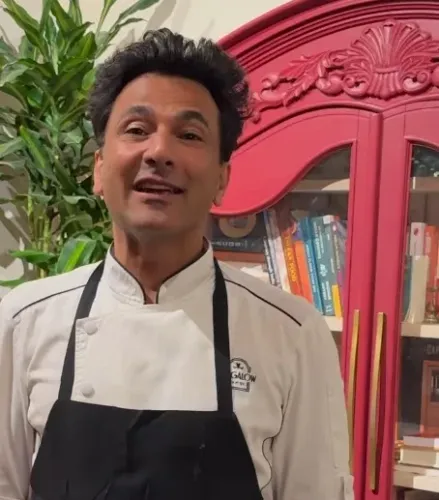
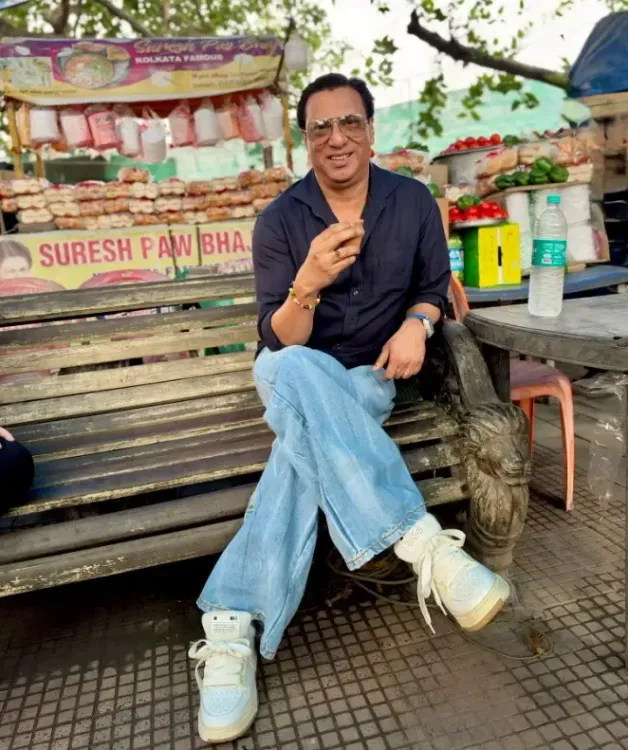
Bhandarkar took to Instagram to share photographs and videos from his Kolkata visit, writing: 'Kulhad chai, street food, and Kolkata vibes. Truly soaking in the soul of the #CityofJoy.' The post showed the Fashion director at a roadside chai stall, savouring tea served in an earthen cup — a ritual deeply woven into the city's everyday rhythm. Dressed casually in a black T-shirt, blue jeans, and white shoes, Bhandarkar also paused to take selfies with fans who recognised him on the street.
At the Jagran Film Festival
The Kolkata visit coincided with Bhandarkar's participation in the 14th Jagran Film Festival, where he spoke candidly about the realities of independent filmmaking in India. He noted that filmmakers like himself have largely built careers outside the film industry's established groups and networks. 'No one knows what will work at the box office. And when it will work. And what the audience will like,' he said, reflecting on the uncertainty that defines the craft.
The Independent Filmmaker's Road
Bhandarkar was particularly forthcoming about the challenges of operating without institutional backing. He described independent filmmakers as those who are 'not in a lobby or a gang or a coterie,' having to chart their own course without the safety net of industry alliances. This candid admission resonates with his filmography — from Chandni Bar to Page 3 to Fashion — which has consistently been rooted in social realism rather than mainstream formula.
Kolkata as Inspiration
For a filmmaker whose work draws heavily from lived observation and cultural texture, a city like Kolkata — with its literary heritage, street-level energy, and deep artistic traditions — offers natural creative nourishment. Bhandarkar's social media posts suggest the visit was as much a personal recharge as a professional engagement. His exploration of the city's street-food culture underscores a creative sensibility that looks for stories in everyday spaces.
As Bhandarkar continues to navigate an industry in flux, his Kolkata sojourn is a reminder that for storytellers of his kind, inspiration often begins at a roadside chai stall.
Point of View
But his remarks at the Jagran Film Festival carry real weight. The 'no lobby, no coterie' observation is a rare on-record admission of how Bollywood's informal power networks work — and how filmmakers outside them must survive. At a time when OTT platforms are reshaping access and studios are consolidating around franchise economics, the independent voice he represents is under structural pressure that a kulhad chai moment, however charming, cannot paper over.
NationPress
5 Oct 2026
Frequently Asked Questions
Why did Madhur Bhandarkar visit Kolkata?
Madhur Bhandarkar visited Kolkata to participate in the 14th Jagran Film Festival and took the opportunity to explore the city's street-food culture. He shared photographs and videos on Instagram capturing his experience with kulhad chai and local street food.
What did Madhur Bhandarkar say about independent filmmaking?
Bhandarkar said that independent filmmakers like himself are 'not in a lobby or a gang or a coterie' and must chart their own path without institutional backing. He also remarked that 'no one knows what will work at the box office,' highlighting the inherent uncertainty of the craft.
What is kulhad chai and why is it associated with Kolkata?
Kulhad chai is tea served in small, unglazed earthen cups that are biodegradable and lend a distinctive earthy flavour to the brew. It is a hallmark of street-tea culture across several Indian cities, and Kolkata's roadside chai stalls are particularly celebrated for it.
What films has Madhur Bhandarkar made?
Madhur Bhandarkar is known for socially rooted films including Chandni Bar, Page 3, Corporate, Fashion, and Heroine. His work has consistently operated outside mainstream Bollywood formula, earning him a reputation as one of Hindi cinema's leading independent voices.