Amitabh Bachchan on Namaskaar: How Covid made India's greeting go global
Synopsis
Amitabh Bachchan's blog post on Namaskaar is more than a cultural note — it is a reminder that a 2020 pandemic moment gave India's oldest greeting its widest global audience ever. From Sanskrit etymology to yogic philosophy to world leaders abandoning handshakes, Big B traces how a folded-hand gesture became a universal symbol of respect precisely when the world needed one.
Key Takeaways
Amitabh Bachchan wrote about the cultural and spiritual significance of Namaskaar on his personal blog.
He explained that 'Namaste' derives from Sanskrit: 'namah' (bow/salutation) and 'te' (to you), meaning 'I bow to you.' During the COVID-19 pandemic in 2020 , many world leaders adopted Namaskaar as a safe, contactless greeting alternative.
The gesture — also called Anjali Mudra — holds significance across Hindu, Buddhist, and Jain traditions.
Bachchan noted its presence in temple sculptures, classical Indian dance, and ancient texts , tracing its continuity across thousands of years.
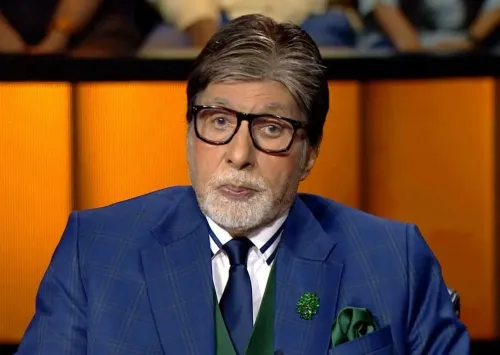
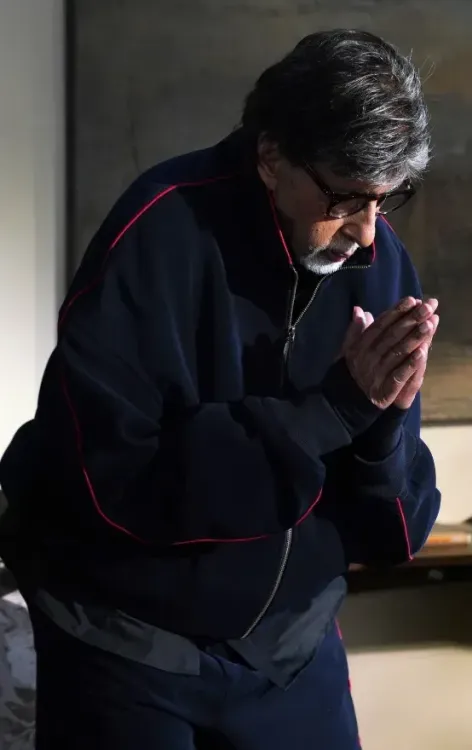
Megastar Amitabh Bachchan has reflected on the deep cultural and spiritual roots of Namaskaar, recalling how the ancient folded-hand greeting transcended borders during the COVID-19 pandemic in 2020 when world leaders adopted it as a hygienic alternative to handshakes. Writing on his personal blog, the veteran actor offered a detailed exploration of the gesture's meaning, history, and enduring relevance.
The Sanskrit Roots of Namaste
Bachchan explained that the word itself carries centuries of meaning. 'Namaste comes from Sanskrit: ‘namah’ meaning ‘bow’ or ‘salutation,’ and ‘te’ meaning ‘to you.’ Thus, it literally means, ‘I bow to you,’' he wrote. The gesture — also known as Anjali Mudra — is described by him as 'one of the oldest and most meaningful forms of greeting in the Indian cultural and spiritual tradition.'
Philosophical and Cross-Faith Significance
Bachchan drew on multiple interpretive traditions to unpack the gesture's depth. In Hindu philosophy, he noted, the joining of the two palms symbolises the union of the individual self with the divine, or the meeting of mind and heart. Yogic traditions, he added, describe the folded-hand gesture as 'balancing the left and right hemispheres of the body and mind.' He further noted that in Buddhism and Jainism, the gesture reflects humility, peace, and respect for all living beings — underscoring its reach well beyond any single faith.
How Covid Gave Namaskaar a Global Stage
The pandemic became an unexpected inflection point for the greeting. Bachchan recalled that 'during the COVID-19 pandemic, many world leaders adopted it as a safe greeting,' citing the anthropological observation that 'unlike a handshake, Namaskaar does not require physical contact, making it hygienic and universally respectful.' The gesture's contactless nature aligned perfectly with global health protocols, propelling it into mainstream international usage in 2020. Notably, this was a moment when a tradition thousands of years old found renewed validation through a public-health lens.
A Living Tradition Across Art and Text
Bachchan pointed to the gesture's continuity across millennia, noting its presence in temple sculptures, classical Indian dance, and ancient texts. This historical thread distinguishes Namaskaar from a mere social convention — it is, as he framed it, a living cultural artefact. 'More than a greeting, Namaskaar expresses reverence, equality, gratitude, and recognition of the sacred presence within another person,' he wrote.
A Personal Note to His Fans
Closing his blog post, Bachchan turned the reflection into a personal tribute. 'I express my reverence to all the Ef and recognise their dedication to the cause of peace and calm, but also of devotion and dedication.. this is rare.. but then the Ef is rare too,' he wrote, addressing his devoted fan community by their familiar name. The post stands as both a cultural essay and a gesture of gratitude from one of Indian cinema's most enduring figures.
Point of View
Its cross-faith resonance, its pandemic vindication — carries more cultural reach than most government tourism campaigns. What mainstream coverage misses is the subtext: the pandemic's forced adoption of Namaskaar by Western leaders was, arguably, the single most visible global legitimisation of an Indian cultural practice in modern times. Bachchan is not just reminiscing; he is, deliberately or not, cementing that narrative for posterity.
NationPress
11 Oct 2026
Frequently Asked Questions
What did Amitabh Bachchan write about Namaskaar on his blog?
Amitabh Bachchan wrote about the cultural, spiritual, and historical significance of Namaskaar, tracing its Sanskrit origins and its adoption by world leaders during the COVID-19 pandemic in 2020 as a contactless greeting. He described it as expressing reverence, equality, gratitude, and recognition of the sacred within another person.
What is the meaning of Namaste according to Amitabh Bachchan?
According to Bachchan, Namaste comes from Sanskrit — 'namah' meaning 'bow' or 'salutation,' and 'te' meaning 'to you' — literally translating to 'I bow to you.' He described it as one of the oldest and most meaningful forms of greeting in Indian cultural and spiritual tradition.
How did Covid-19 make Namaskaar a global greeting?
During the COVID-19 pandemic in 2020, many world leaders adopted Namaskaar as a safe alternative to handshakes because it requires no physical contact, making it both hygienic and universally respectful. This gave the ancient Indian greeting unprecedented global visibility.
What is the spiritual significance of Namaskaar across religions?
In Hindu philosophy, the joined palms symbolise the union of the individual self with the divine. Yogic traditions describe the gesture as balancing the left and right hemispheres of body and mind. In Buddhism and Jainism, it reflects humility, peace, and respect for all living beings.
Who are the 'Ef' that Amitabh Bachchan mentioned in his blog?
'Ef' is Amitabh Bachchan's affectionate term for his extended fan community. In closing his blog post, he expressed personal reverence for their dedication to peace, calm, devotion, and loyalty — calling them rare.