Govinda issues ₹100 crore legal notice over false marriage rumours
Synopsis
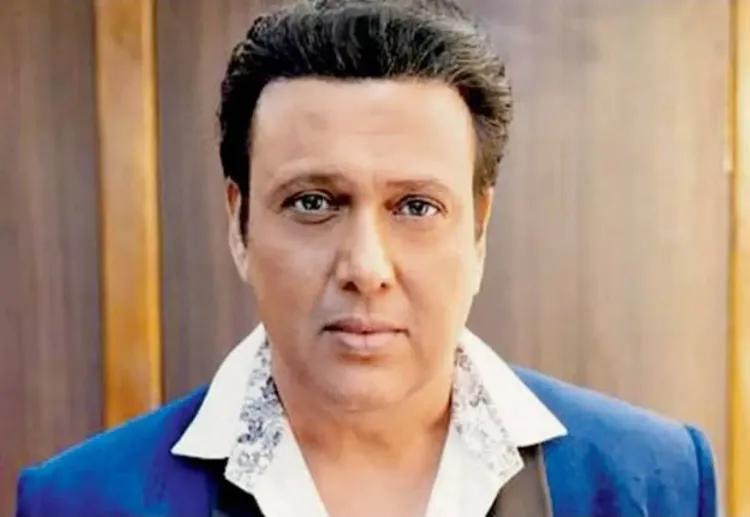
Govinda has put the internet on notice — literally. After a viral clip of wife Sunita Ahuja claiming he planned to remarry set off a wave of speculation, the actor issued a formal legal warning threatening up to ₹100 crore in damages, invoking India's newest criminal code and IT law, and singling out AI-generated deepfakes by name.
Key Takeaways
Govinda issued a public legal notice on 23 August from Mumbai against the spread of false content about his personal life.
The notice threatens damages of up to ₹100 crore under defamation, privacy, and cybercrime laws.
It specifically calls out deepfakes , AI-generated content, morphed images, and synthetic audio or video.
The trigger was a viral conversation between wife Sunita Ahuja and Rakhi Sawant , in which Sunita reportedly claimed Govinda planned to marry actress Rani Swarnkar .
Legal provisions cited include the Bharatiya Nyaya Sanhita, 2023 and the Information Technology Act, 2000 .
Govinda may also seek court orders to freeze bank accounts, restrict property transactions, and seize passports of offenders.
Actor and former Member of Parliament Govinda has issued a formal public notice warning netizens, media organisations, digital platforms, and content creators against publishing or circulating false, defamatory, or unverified content about him or his family. The notice, issued on 23 August from Mumbai, threatens civil and criminal action — including claims of up to ₹100 crore — against those found spreading fabricated material.
What Triggered the Notice
The legal warning came a day after a conversation between Govinda's wife Sunita Ahuja and entertainer Rakhi Sawant went viral on social media. In that exchange, Sunita reportedly claimed she had withdrawn a divorce petition after learning that Govinda intended to marry actress Rani Swarnkar. The rapid spread of the clip — and the commentary it generated — appears to have prompted the formal legal response.
Scope of the Notice
The notice specifically flags photos, videos, audio recordings, morphed images, deepfakes, and synthetic content generated through artificial intelligence. Govinda has stated that he has not authorised anyone to create, manipulate, or use any material linked to his voice, image, identity, or personal and family life through AI or digital technology. The notice also targets YouTube channels and social media accounts accused of deliberately amplifying misleading content about him.
Legal Provisions Cited
According to the notice, both civil and criminal proceedings may be initiated under laws governing defamation, privacy violation, identity misuse, and cybercrime. Specific provisions cited include sections of the Bharatiya Nyaya Sanhita, 2023 and the Information Technology Act, 2000. Beyond monetary damages, Govinda has reserved the right to seek court orders freezing bank accounts, restricting property transactions, and seizing passports of those found liable.
Govinda's Concern Over Organised Smear Campaigns
Referring to past experiences, Govinda has expressed concern that rumours about him may be circulated in an organised manner with the deliberate intent of damaging his public image. Critics note that the deployment of AI-generated deepfakes against public figures has become an increasingly documented problem in India, lending the notice broader relevance beyond a single celebrity dispute.
What Happens Next
Through the public notice, Govinda's legal team has put all parties on formal record, making any subsequent publication of unverified content potentially actionable. Whether the warnings result in actual litigation will depend on whether offending content is taken down voluntarily or continues to circulate. The matter is being closely watched by entertainment and digital-rights observers as a test case for how public figures can deploy existing Indian law against AI-driven misinformation.
Point of View
2023 alongside the IT Act suggests his legal team is testing the reach of India's newest criminal code against synthetic media, a largely uncharted space. The viral Rakhi Sawant clip is the proximate cause, but the notice's breadth — covering YouTube channels, content creators, and AI tools — points to a broader strategy of pre-emptive legal positioning. Whether Indian courts will award anything close to ₹100 crore in such a case remains an open question, but the notice itself creates a chilling effect that may be the real objective.
NationPress
7 Oct 2026
Frequently Asked Questions
Why did Govinda issue a public legal notice?
Govinda issued the notice on 23 August after a viral conversation between his wife Sunita Ahuja and Rakhi Sawant, in which Sunita reportedly claimed she had withdrawn a divorce petition because Govinda planned to marry actress Rani Swarnkar. The notice aims to stop the spread of false and unverified content about his personal life across social media and digital platforms.
How much compensation is Govinda seeking?
The notice warns of claims up to ₹100 crore against those found guilty of spreading false, defamatory, or fabricated content. Govinda may also seek court orders to freeze bank accounts, restrict property transactions, and seize passports of offenders.
What laws has Govinda invoked in his notice?
The notice cites provisions under the Bharatiya Nyaya Sanhita, 2023 and the Information Technology Act, 2000, covering defamation, violation of privacy, misuse of identity, and cybercrime. Both civil and criminal proceedings are on the table.
Does the notice cover AI-generated and deepfake content?
Yes. The notice explicitly mentions deepfakes, morphed images, AI-generated audio and video, and other synthetic content. Govinda has stated he has not authorised anyone to use his voice, image, or identity through AI or digital technology.
Who is affected by the notice?
The notice targets a wide range of parties — netizens, media organisations, digital platforms, content creators, and YouTube channels — who publish or share unverified or fabricated material about Govinda or his family.