Imtiaz Ali on AI in filmmaking: 'You cannot be a slave to AI'
Synopsis
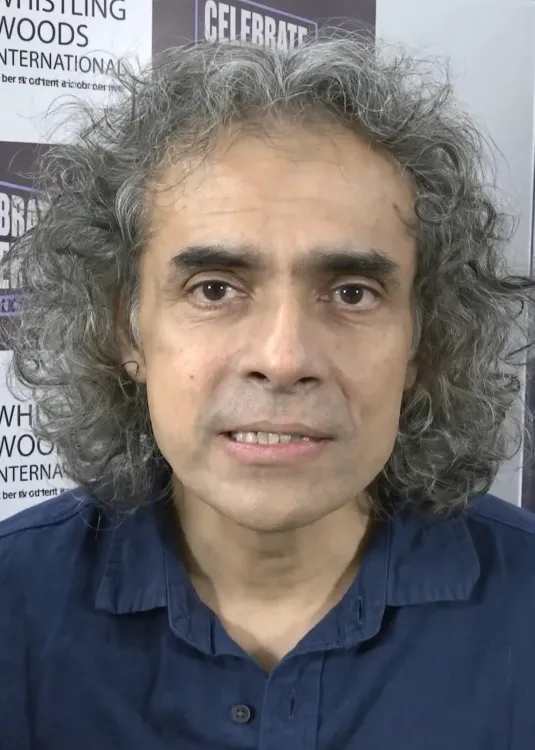
Filmmaker Imtiaz Ali has drawn a sharp line on AI in creativity — embrace the tool, but never surrender to it. His warning lands as Indian cinema battles a deepfake epidemic targeting stars from Janhvi Kapoor to Rashmika Mandanna, and as calls for government regulation of AI misuse grow louder across the industry.
Key Takeaways
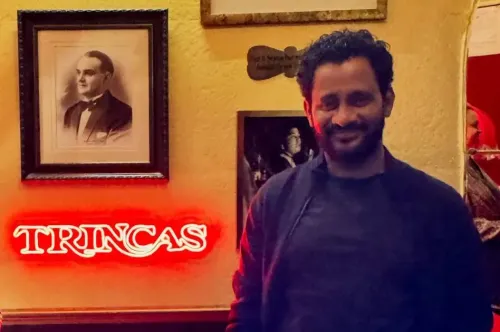
Imtiaz Ali said AI is 'a very powerful tool' but cautioned creators against becoming 'a slave to AI.' He argued technology must enhance creative work, not dictate it.
Actor Janhvi Kapoor was recently targeted in a sexually explicit AI -generated deepfake video, drawing condemnation from Jr NTR , Chiranjeevi , Vijay Deverakonda , and Khushbu Sundar .
Actors Rashmika Mandanna , Mrunal Thakur , and Shalini Pandey have also faced similar deepfake incidents.
Ali's latest film 'Main Vaapas Aaunga' , starring Naseeruddin Shah and Diljit Dosanjh , released on 12 June .
Filmmaker Imtiaz Ali has weighed in on the intensifying debate around artificial intelligence and its role in creative industries, arguing that while AI is a formidable tool, it must serve the artist — not the other way around. His remarks come as AI deepens its footprint across every stage of filmmaking, from scriptwriting and visual effects to editing and post-production.
What Imtiaz Ali Said
'AI is a very powerful tool, but it is still a tool. The development of technology can never be arrested. One should not be averse to the development of technology. But you need to use technology as something that you want to use to enhance your work or to bring your work to life. Not the other way around,' the director said.
He went further, adding pointedly: 'You cannot be the slave of AI. You cannot be a slave to AI.'
Ali acknowledged that technological progress is unstoppable and that creators should remain open to new advancements. His core argument, however, was clear — the creative impulse must remain in human hands.
Why the Warning Resonates Now
The timing of Ali's remarks is significant. AI-generated deepfakes have become an acute concern in the Indian film industry in recent months. Actor Janhvi Kapoor was recently targeted in a sexually explicit deepfake video produced using artificial intelligence, drawing widespread condemnation from the film fraternity. Actors Jr NTR, Chiranjeevi, Vijay Deverakonda, and Khushbu Sundar publicly condemned the incident and called for strict legal action and government regulation to curb AI misuse.
The Kapoor case is not an isolated one. Actors Rashmika Mandanna, Mrunal Thakur, and Shalini Pandey have also been targeted in similar deepfake controversies, underscoring a broader, systemic threat to public figures in the entertainment space. Critics argue that India's regulatory framework has not kept pace with the technology's rapid proliferation.
AI's Expanding Role in Indian Cinema
Beyond the deepfake crisis, AI tools are being adopted at scale by Indian studios for tasks including de-ageing actors, automating subtitles, and accelerating colour grading. Proponents contend these efficiencies free directors to focus on storytelling, while sceptics — including many writers and technicians — warn of job displacement and a homogenisation of creative output.
Ali's position appears to occupy a pragmatic middle ground: embrace the technology, but never let it dictate the creative vision.
Imtiaz Ali's Recent Work
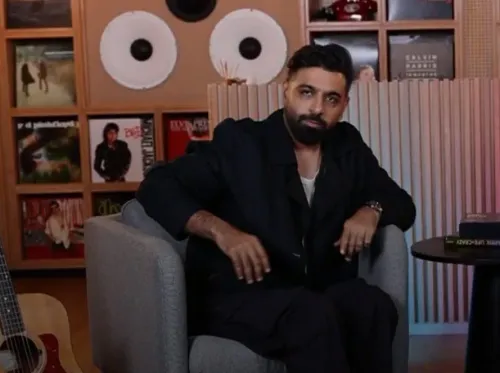
On the professional front, Ali recently helmed 'Main Vaapas Aaunga', which released in cinemas on 12 June. The film starred Naseeruddin Shah, Diljit Dosanjh, Sharvari, and Vedang Raina in lead roles, with a supporting cast including Vinod Nagpal, Dolly Ahluwalia, Rajat Kapoor, Sanjay Suri, Manish Chaudhari, Anjana Sukhani, Banita Sandhu, and Danish Pandor.
As the industry continues to grapple with both the promise and the peril of AI, voices like Ali's are likely to grow louder — particularly as calls for legislative guardrails intensify.
Point of View
But the context around them is anything but. The Indian film industry is navigating a dual reality: AI as a productivity multiplier on one side, and AI as a weapon for exploitation on the other. The deepfake crisis targeting female actors is not a fringe problem — it is a systemic one that the industry's own codes of conduct and the government's current legal framework are ill-equipped to handle. Ali's framing — use technology, don't be used by it — is philosophically sound, but it sidesteps the harder question: what institutional safeguards ensure that the 'tool' is not weaponised by those with neither craft nor conscience?
NationPress
15 Oct 2026
Frequently Asked Questions
What did Imtiaz Ali say about AI and creativity?
Imtiaz Ali said AI is a powerful tool that should be used to enhance creative work, not control it. He specifically warned that creators 'cannot be a slave to AI,' stressing that human creative vision must remain primary.
Why is the AI deepfake issue a concern for Bollywood right now?
Several prominent Indian actors, including Janhvi Kapoor, Rashmika Mandanna, Mrunal Thakur, and Shalini Pandey, have been targeted by AI-generated deepfake videos, many of them sexually explicit. The incidents have prompted calls from actors and industry figures for stricter laws and government regulation of AI misuse.
Who condemned the deepfake video targeting Janhvi Kapoor?
Actors Jr NTR, Chiranjeevi, Vijay Deverakonda, and Khushbu Sundar publicly condemned the deepfake video and called for strict legal action and government regulation to address the misuse of AI technology.
What is Imtiaz Ali's latest film?
Imtiaz Ali recently directed 'Main Vaapas Aaunga,' which released in cinemas on 12 June. The film stars Naseeruddin Shah, Diljit Dosanjh, Sharvari, and Vedang Raina in lead roles.
How is AI currently used in Indian filmmaking?
AI is increasingly used across the filmmaking pipeline in India, including for scriptwriting assistance, visual effects, de-ageing actors, automated subtitling, and post-production colour grading. While studios see efficiency gains, critics warn of job displacement and a reduction in creative diversity.