South Korea flags concern over USFK chief's OPCON transfer remarks
Synopsis
South Korea's defence minister has formally told Washington it disagrees with the USFK chief's framing that conditions for the wartime OPCON transfer have shifted — a rare public crack in one of Asia's most consequential military alliances, set against North Korea's fresh missile tests and Seoul's push to reclaim command before 2030.
Key Takeaways
Defence Minister Kang Shin-chul confirmed on 15 October 2026 that Seoul has conveyed concerns to Washington over USFK Commander Gen.
Xavier Brunson's remarks on OPCON transfer conditions.
Brunson cited North Korea's recent tactical ballistic missile tests toward the East Sea as evidence of 'new standards' for the transfer.
Kang maintained that the formal requirements for OPCON transfer remain unchanged, though assessments of compliance can vary.
Seoul aims to retake wartime OPCON before the end of President Lee Jae Myung's term in 2030 , potentially as early as next year.
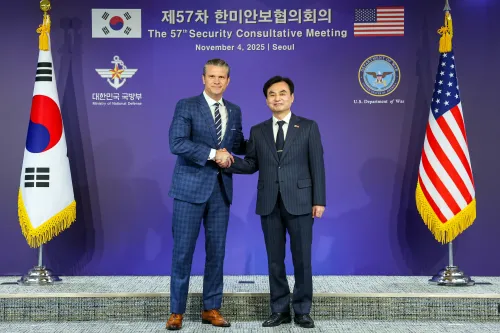
The annual South Korea–US Security Consultative Meeting (SCM) may be postponed from late October to December , reportedly due to US midterm elections and bilateral differences.
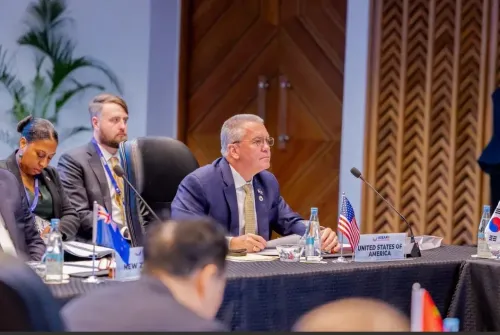
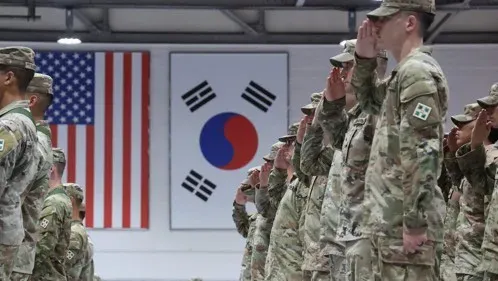
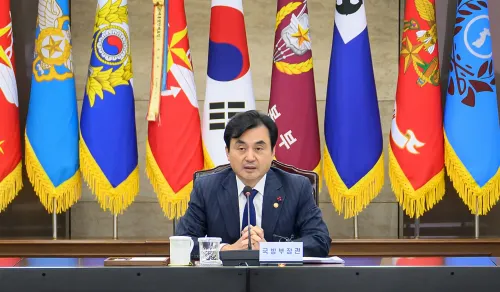
South Korean Defence Minister Kang Shin-chul said on Thursday, 15 October 2026, that Seoul has formally conveyed its concerns to Washington over remarks by US Forces Korea (USFK) Commander General Xavier Brunson, who stated that conditions for the transfer of wartime operational control (OPCON) from the United States to South Korea had changed. The development signals a rare public divergence between two of Asia's closest defence allies.
What Brunson Said and Why It Sparked Concern
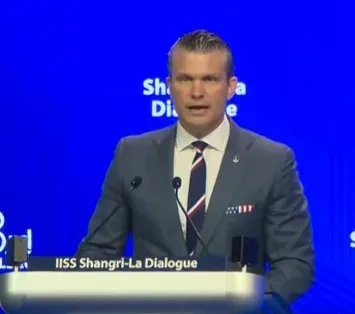
General Brunson told an audience that the allies now have 'new standards which we have to uphold' for the OPCON transfer, citing North Korea's recent missile activity as a shifting security variable. On Monday, Pyongyang test-fired tactical ballistic missiles toward the East Sea, with its state media describing the launches as a major success in upgrading a key component of its weapons systems. Brunson's remarks implied that the changed security landscape could delay or complicate the handover.
Seoul's Official Position
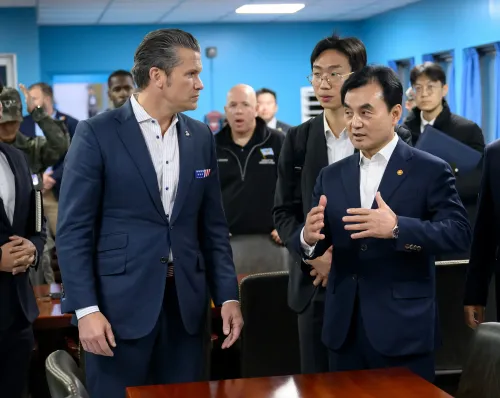
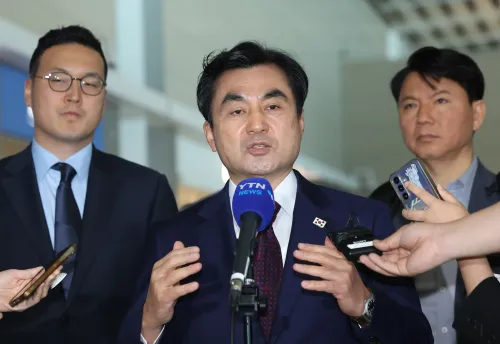
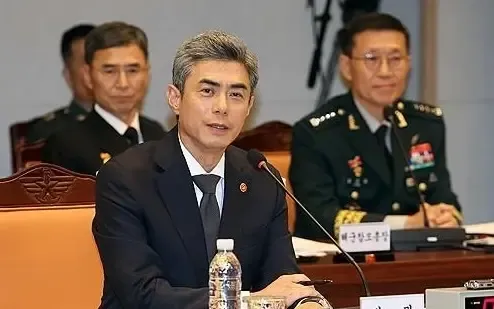
Speaking during a parliamentary audit of military courts, Minister Kang confirmed that Seoul had already communicated its stance to Washington. 'Though (Brunson's) comments were made from a military perspective, we are concerned about their broader implications and are making our position clear,' he said. When pressed on whether South Korea also agreed that conditions had changed, Kang maintained that the requirements for OPCON transfer remained unchanged, while acknowledging that assessments of how fully they had been met could vary depending on one's perspective.
The Timeline Seoul Is Working Toward
Seoul is seeking to retake wartime OPCON from Washington before the end of President Lee Jae Myung's five-year term in 2030, potentially as early as next year. Washington has reportedly expressed reservations about accelerating the transition for political reasons — a difference that has quietly strained alliance coordination. Kang said there would be 'no problem at all' if the transfer took place now, arguing it would create 'a stronger command structure' than the current arrangement. Under the proposed structure, a South Korean commander would lead the combined forces, with the US military providing support.
Security Consultative Meeting in Doubt
Kang also addressed reports that the annual South Korea–US Security Consultative Meeting (SCM), normally held in late October or early November, could be postponed until December. He offered a guarded response, noting, 'I am not the only one who holds the SCM.' The possible delay is reportedly linked to the November 3 US midterm elections, domestic considerations in Washington, and the unresolved differences over OPCON timing. This comes amid a broader pattern of alliance management friction as both governments navigate domestic political cycles.
What Comes Next
The divergence over OPCON timing is unlikely to resolve quickly, with Washington reportedly unwilling to be seen as accelerating a sensitive military handover for political reasons ahead of domestic elections. The question of whether the SCM proceeds on schedule will be an early indicator of how both sides choose to manage the tension. Analysts will also watch whether North Korea's continued missile programme is used as formal justification to reset the conditions framework entirely.
Point of View
However, is political: Seoul wants the transfer done before President Lee's term ends in 2030, and Washington is reluctant to be seen as accommodating a domestic political calendar. The possible SCM postponement is a telling symptom — when allies begin rescheduling their flagship annual defence forum, it usually means the substantive disagreements are sharper than public statements let on.
NationPress
15 Oct 2026
Frequently Asked Questions
What is the OPCON transfer dispute between South Korea and the US?
The wartime operational control (OPCON) transfer refers to the planned handover of command over South Korean and US combined forces from American to South Korean military authority. Seoul wants the transfer completed before President Lee Jae Myung's term ends in 2030, but Washington has expressed reservations about rushing the process, and USFK Commander Gen. Brunson recently suggested that evolving security conditions — including North Korea's missile tests — mean the standards for transfer have changed.
What did USFK Commander Gen. Brunson say about OPCON conditions?
Gen. Xavier Brunson stated that the allies now have 'new standards which we have to uphold' for the OPCON transfer, citing North Korea's recent tactical ballistic missile launches toward the East Sea. His comments implied that the changed security environment could complicate or delay the handover timeline Seoul is pursuing.
How did South Korea's defence minister respond to Brunson's remarks?
Defence Minister Kang Shin-chul confirmed Seoul had already conveyed its concerns to Washington, stating the government was 'concerned about their broader implications.' He maintained that the formal requirements for OPCON transfer remained unchanged, though he acknowledged that assessments of fulfilment could differ by perspective.
When is South Korea aiming to complete the OPCON transfer?
Seoul is targeting OPCON transfer before the end of President Lee Jae Myung's five-year term in 2030, with some reports suggesting it could happen as early as next year. Washington has reportedly pushed back against accelerating the timeline for what it views as political reasons.
Why might the South Korea–US Security Consultative Meeting be postponed?
The annual Security Consultative Meeting (SCM), typically held in late October or early November, may be pushed to December. Reports attribute the possible delay to the November 3 US midterm elections, domestic priorities in Washington, and unresolved differences between the two sides over the OPCON transfer timeline.