Jackie Shroff pays tribute to Hrishikesh Mukherjee on 104th birth anniversary
Synopsis
Jackie Shroff's quiet tribute — a portrait and a Lata Mangeshkar song from 1961 — is a reminder that Hrishikesh Mukherjee's humane, middle-class storytelling remains a benchmark no era of Hindi cinema has quite replicated. On what would have been Hrishi-da's 104th birthday, the film fraternity's continued reverence speaks louder than any centenary retrospective.
Key Takeaways
Jackie Shroff posted a tribute to Hrishikesh Mukherjee on his 104th birth anniversary on 30 September 2026 .
Shroff accompanied the tribute with the classic song 'Itna Na Mujhse Tu Pyaar Badha' from the 1961 film 'Chhaya' .
Mukherjee was born on 30 September 1922 in Calcutta and passed away on 27 August 2006 , aged 83 .
His directorial debut was 'Musafir' ( 1957 ); his final film was 'Jhooth Bole Kauwa Kaate' ( 1998 ).
Amitabh Bachchan has called Mukherjee his 'godfather' in Hindi cinema; Jaya Bachchan described him as a father figure and called him 'Hrishikaku' .
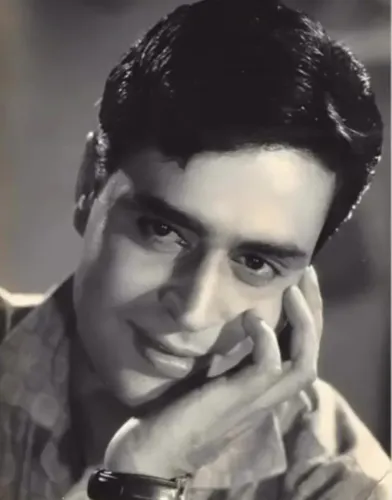
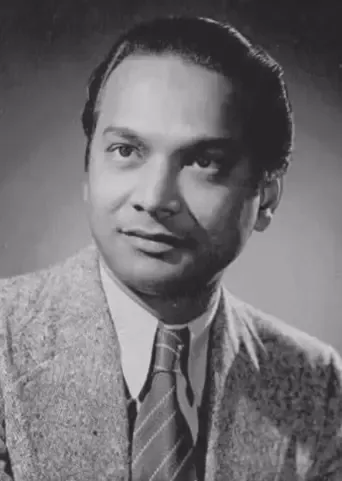
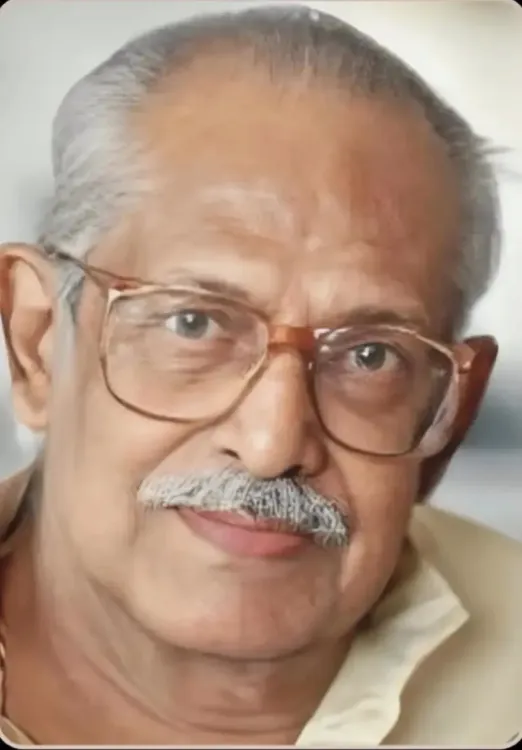
Bollywood actor Jackie Shroff on Wednesday, 30 September 2026, paid a heartfelt tribute to legendary filmmaker Hrishikesh Mukherjee on what would have been his 104th birth anniversary. Shroff shared a portrait of the late director on his social media account alongside the message, 'Remembering Hrishikesh Mukherjee ji on his birth anniversary,' accompanied by folded-hands emoticons.
As a background score, Shroff chose the timeless classic 'Itna Na Mujhse Tu Pyaar Badha' — sung by Lata Mangeshkar and Talat Mahmood, composed by Salil Chowdhury, with lyrics by Rajendra Krishan — from the 1961 film 'Chhaya', starring Sunil Dutt and Asha Parekh. The choice of song underlined the enduring emotional resonance of Mukherjee's cinematic universe.
The Man Who Defined Middle-Class India on Screen
Born on 30 September 1922 in Calcutta and widely referred to as Hrishi-da, Hrishikesh Mukherjee carved out a singular space between mainstream commercial cinema and the realism of the parallel cinema movement. His films explored family bonds, friendship, moral dilemmas, illness, ambition, and the quiet everyday struggles of the Indian middle class — stories that resonated deeply with family audiences across generations.
Mukherjee began his career as a film editor and worked closely with the acclaimed director Bimal Roy before making his directorial debut with 'Musafir' in 1957. Over the next four decades, he built one of Indian cinema's most distinguished filmographies, encompassing classics such as 'Anari', 'Anupama', 'Anand', 'Guddi', 'Bawarchi', 'Abhimaan', 'Chupke Chupke', 'Gol Maal', and 'Khubsoorat', among many others. His final directorial feature, 'Jhooth Bole Kauwa Kaate' (1998), starred Anil Kapoor, Juhi Chawla, Amrish Puri, Reema Lagoo, and Sajid Khan.
The Bachchan Connection: A Bond That Defined Careers
Among Mukherjee's many creative associations, his relationship with the Bachchan family remains particularly celebrated. It was Mukherjee who gave Jaya Bhaduri her breakthrough role in 'Guddi', launching one of Hindi cinema's most admired careers. Amitabh Bachchan's association with the filmmaker began with 'Anand' and extended across several landmark films, including 'Abhimaan', 'Namak Haraam', 'Chupke Chupke', 'Mili', 'Alaap', 'Jurmana', and 'Bemisal'.
Amitabh Bachchan has previously described Mukherjee as his 'godfather' in the film industry and praised his rare ability to make simple stories feel profoundly engaging. For Jaya Bachchan, the bond ran even deeper — she has fondly referred to the director as 'Hrishikaku' and described him as a father figure who guided her throughout her professional life.
A Legacy That Outlives the Man
Hrishikesh Mukherjee passed away in Mumbai on 27 August 2006, aged 83, after a prolonged illness that included chronic renal failure requiring dialysis. Notably, tributes to him on his birth anniversary each year underscore how deeply his humanistic storytelling continues to resonate in an era of spectacle-driven cinema. Jackie Shroff's post is one of several remembrances shared by the film fraternity on this occasion, reflecting a reverence that has only grown with time.
Point of View
Yet they rarely grapple with why his work resists revival. The Indian film industry has not produced a sustained body of humanistic, middle-class cinema at the scale Mukherjee managed across four decades — a gap that streaming era nostalgia bait has not filled. His enduring stature also reflects an inconvenient truth: the 'parallel vs. commercial' binary that critics love was, in his hands, a false one. That lesson remains largely unlearnt.
NationPress
30 Sept 2026
Frequently Asked Questions
When was Hrishikesh Mukherjee born and when did he pass away?
Hrishikesh Mukherjee was born on 30 September 1922 in Calcutta and passed away on 27 August 2006 in Mumbai, aged 83. He had been suffering from chronic renal failure and was undergoing dialysis in his final years.
Which song did Jackie Shroff use in his tribute to Hrishikesh Mukherjee?
Jackie Shroff used 'Itna Na Mujhse Tu Pyaar Badha' as the background score for his tribute post. The song, sung by Lata Mangeshkar and Talat Mahmood and composed by Salil Chowdhury, is from the 1961 film 'Chhaya'.
What was Hrishikesh Mukherjee's connection to the Bachchan family?
Hrishikesh Mukherjee launched Jaya Bhaduri's career with 'Guddi' and collaborated with Amitabh Bachchan across multiple landmark films including 'Anand', 'Abhimaan', and 'Chupke Chupke'. Amitabh Bachchan has referred to Mukherjee as his 'godfather' in the film industry, while Jaya Bachchan called him 'Hrishikaku' and described him as a father figure.
What was Hrishikesh Mukherjee's first and last directorial film?
Hrishikesh Mukherjee made his directorial debut with 'Musafir' in 1957. His final directorial feature was 'Jhooth Bole Kauwa Kaate', released in 1998, starring Anil Kapoor, Juhi Chawla, and Amrish Puri.
Why is Hrishikesh Mukherjee considered a legendary filmmaker?
Mukherjee is celebrated for bridging mainstream commercial cinema and parallel cinema with films centred on family, relationships, and the everyday lives of the Indian middle class. His filmography includes enduring classics such as 'Anand', 'Gol Maal', 'Chupke Chupke', and 'Guddi', and he is widely regarded as one of Hindi cinema's most humanistic storytellers.