Mahaprabhu Jagannath film ban: Makers take Odisha HC order to Supreme Court
Synopsis
An animated children's film on Lord Jagannath — already cleared by the CBFC in three languages — has been banned by the Odisha High Court for allegedly deviating from the Skanda Purana. The makers have now knocked on the Supreme Court's doors, setting up a significant legal test on whether courts can override statutory film certification on grounds of religious conformity.
Key Takeaways
Producers of 'Mahaprabhu Jagannath' filed a petition in the Supreme Court on 16 July challenging the Odisha High Court 's ban on the film.
The High Court banned the film citing non-conformity with the Skanda Purana .
Senior advocate Devadatt Kamath argued the ban has caused losses of crores of rupees to the producers.
The film has a U certificate from the CBFC in Hindi , Odia , and Telugu .
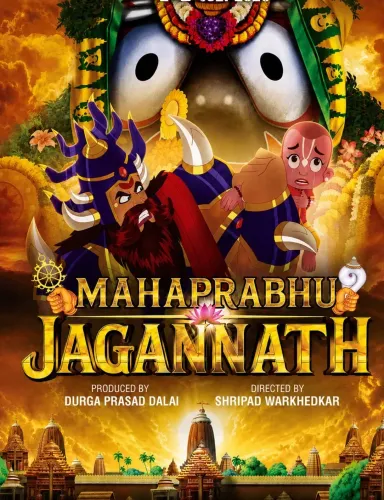
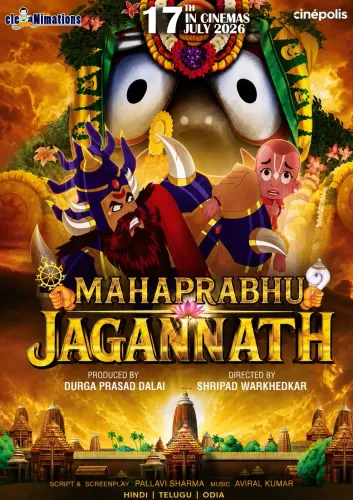
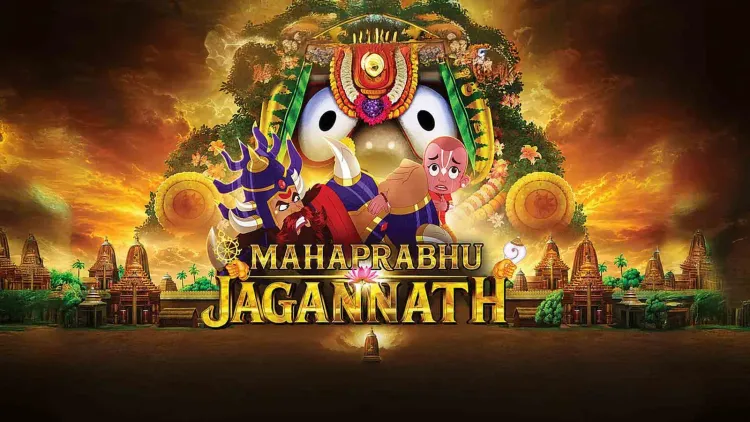
Makers describe it as an animated feature for children, extended from their series Jay Jagannath .
The Supreme Court is yet to schedule a formal hearing; the matter is sub judice.
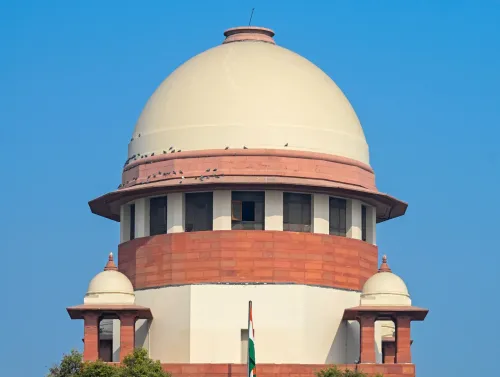
The producers of the animated feature 'Mahaprabhu Jagannath' have moved the Supreme Court of India, challenging an Odisha High Court order that banned the film's release on the grounds that its content does not conform to the Skanda Purana. The petition was mentioned before a bench headed by the Chief Justice of India on 16 July, with senior advocate Devadatt Kamath appearing for the makers.
Background: The High Court Ban
The Odisha High Court had earlier restrained the release of 'Mahaprabhu Jagannath', citing concerns that the film's depiction of Lord Jagannath deviates from scriptural accounts in the Skanda Purana. The order effectively stalled the film ahead of its planned release around the Rath Yatra festival — a commercially and culturally significant window for content centred on the deity.
Arguments Before the Supreme Court
Senior advocate Devadatt Kamath submitted before the bench that the film is an animated production aimed at children, and that the High Court's ban has caused losses running into crores of rupees for the producers. The petition seeks to overturn the High Court's order and permit the film's theatrical release.
What the Makers Said
In an official statement, the producers described the film as 'an extension of our animated series Jay Jagannath, created with the utmost honesty, sincerity and devotion for Lord Jagannath and His devotees.' They maintained that the film 'is a heartfelt depiction of a devotee's bhav (devotion) towards Mahaprabhu Jagannath' and stressed that they 'make no claim otherwise.'
The makers added: 'We deeply respect the sentiments of every devotee and everyone who follows the path of Lord Jagannath. We simply hope audiences get the opportunity to watch the film and decide for themselves. This Rath Yatra, our wish is for the film to reach children and families and bring them closer to learning more about Lord Jagannath and imbibe the culture and values.'
CBFC Certification and Legal Status
The producers noted that the film has received a U (Universal) certificate from the Central Board of Film Certification (CBFC) in Hindi, Odia, and Telugu. They confirmed filing a review petition before the Supreme Court and said they would 'refrain from commenting further and place our faith in the judicial process' given that the matter is now sub judice.
What Happens Next
The Supreme Court is yet to schedule a formal hearing on the petition. The case raises broader questions about the limits of judicial intervention in content certified by the CBFC — India's statutory film certification body — and the extent to which courts may assess religious conformity in creative works. The outcome will be closely watched by the Indian film industry, particularly producers of devotional and mythological content.
Point of View
It sets a precedent that could chill devotional and mythological filmmaking, where scriptural interpretation is inherently contested. The Supreme Court's response will matter well beyond this single film: it will signal how far religious conformity arguments can travel in a country where faith and cinema have always been deeply intertwined.
NationPress
15 Oct 2026
Frequently Asked Questions
Why was 'Mahaprabhu Jagannath' banned by the Odisha High Court?
The Odisha High Court banned the film on the grounds that its content does not conform to the Skanda Purana, a key Hindu scripture associated with Lord Jagannath. The court's order effectively prevented the film's theatrical release.
What action have the film's makers taken against the ban?
The producers have filed a petition in the Supreme Court of India challenging the Odisha High Court's ban. Senior advocate Devadatt Kamath presented the matter before a bench headed by the Chief Justice of India, arguing the ban has caused crores in losses.
Has 'Mahaprabhu Jagannath' received a censor certificate?
Yes. The film holds a U (Universal) certificate from the Central Board of Film Certification (CBFC) in Hindi, Odia, and Telugu, meaning it was cleared for unrestricted public exhibition, including for children.
What kind of film is 'Mahaprabhu Jagannath'?
It is an animated feature film aimed at children and families, described by its makers as an extension of their animated series Jay Jagannath. The producers say it depicts a devotee's bhav (devotion) towards Lord Jagannath.
What is the significance of the Supreme Court case?
The case raises an important legal question about whether courts can override a statutory CBFC certification on grounds of religious non-conformity. The outcome could have wider implications for devotional and mythological filmmaking in India.