Kumar Sanu mourns Gulshan Kumar: 'His legacy lives in every melody'
Synopsis
Nearly three decades after Gulshan Kumar's assassination, Kumar Sanu's Instagram tribute reveals just how deeply personal their partnership was — not merely a commercial arrangement, but a brotherhood forged through music. The post brings back into focus a golden era of Bollywood music that T-Series and Kumar Sanu's voice together defined.
Key Takeaways
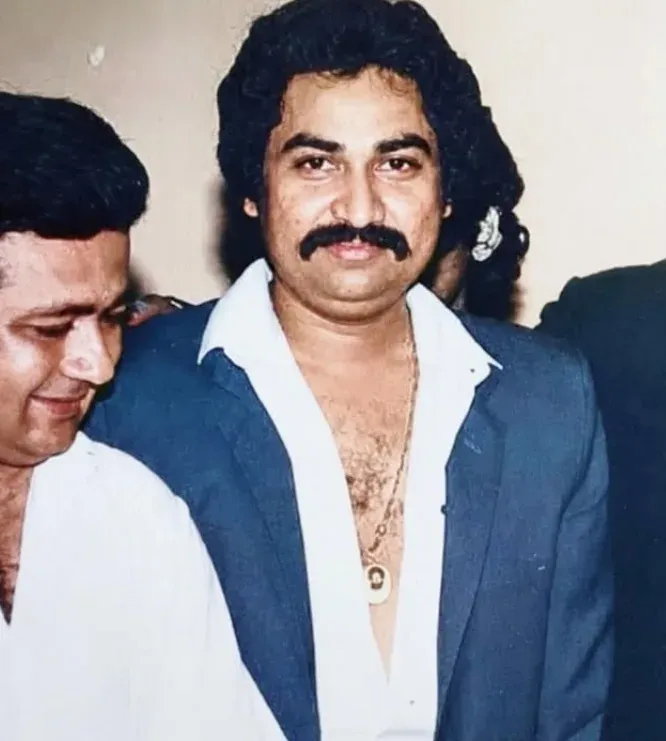
Kumar Sanu shared a throwback photograph with Gulshan Kumar on Instagram on Tuesday, 7 July , accompanied by a lengthy personal tribute.
Kumar Sanu described Gulshan Kumar as someone who 'believed in me, encouraged me, treated me as brother.' Their partnership at T-Series in the 1990s produced iconic soundtracks including 'Aashiqui' , 'Saajan' , and 'Deewana' .
A controversy reportedly erupted in 1991 over the alleged replacement of singer Babla Mehta by Kumar Sanu in the album 'Dil Hai Ki Manta Nahin' .
Gulshan Kumar was assassinated in 1997 , an event Kumar Sanu has described as leaving an unfillable void.
Veteran playback singer Kumar Sanu has paid a heartfelt tribute to the late music mogul Gulshan Kumar, sharing a rare throwback photograph on Instagram on Tuesday alongside a deeply personal note recalling their decades-long bond. The post has resonated widely among fans of 1990s Bollywood music, reigniting memories of one of Hindi cinema's most iconic singer-label partnerships.
The Instagram Post and What Kumar Sanu Said
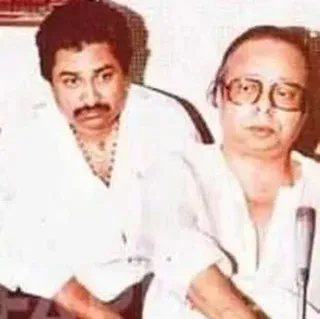
The throwback image shows both men in contrasting moods — Kumar Sanu smiling at the camera while Gulshan Kumar looks away, his gaze turned downward. Accompanying the photograph, Kumar Sanu wrote: 'Some memories never fade, no matter how many years go by. Every time I come across this photograph, I'm transported back to a time filled with dreams, music, laughter, and endless conversations. Gulshan ji was much more than someone I worked with, he was someone who believed in me, encouraged me, treated me as brother.'
He added: 'There was a warmth in him that made everyone around him feel like family. I will always cherish the moments we shared, the music we created, and the faith he placed in me. Life moved forward, but the void left by his absence can never truly be filled. His legacy lives on in every melody, and in my heart, he will always remain a guiding light. Miss you, Gulshan ji. Always.'
A Partnership That Defined an Era
Kumar Sanu and Gulshan Kumar shared one of the most consequential professional relationships in 1990s Hindi film music. Gulshan Kumar recognised Kumar Sanu's talent early and established him as the defining voice of his label, T-Series, opening doors that fundamentally reshaped the singer's career trajectory. Together, they delivered a succession of chart-dominating soundtracks — albums and films such as 'Aashiqui', 'Saajan', and 'Deewana' became synonymous with the romantic sound of that decade.
Notably, Kumar Sanu's voice became so closely identified with T-Series that the two were practically inseparable in the public imagination. This was not merely a commercial arrangement — by Kumar Sanu's own account, it was a relationship built on personal trust and familial warmth.
Controversies and Complexities
The partnership was not without friction. A controversy reportedly erupted in 1991 when playback singer Babla Mehta was allegedly replaced by Kumar Sanu in the album 'Dil Hai Ki Manta Nahin'. Critics at the time pointed to what they described as favouritism and internal politics within the label — a charge that cast a shadow over an otherwise celebrated association.
This is the kind of complexity that often gets erased from nostalgic retrospectives. The 1990s Bollywood music industry was intensely competitive, and T-Series under Gulshan Kumar was at the centre of its commercial machinery.
After Gulshan Kumar's Assassination
Following Gulshan Kumar's assassination in 1997, Kumar Sanu publicly acknowledged the profound influence his mentor had on his career, describing him as a visionary who helped define an entire era of Bollywood music. The killing — carried out outside a Mumbai temple — shocked the Indian entertainment industry and left a void that, as Kumar Sanu's tribute underscores, has never truly been filled.
Decades on, the outpouring of remembrance from artists like Kumar Sanu suggests that Gulshan Kumar's legacy endures not just in the music he produced, but in the careers he built and the loyalties he inspired.
Point of View
Which explains both its extraordinary run and the controversies it attracted. What mainstream nostalgia glosses over is that the same ecosystem that produced 'Aashiqui' also produced allegations of singer replacements and label politics. Kumar Sanu's candid acknowledgement of both the warmth and the complexity of that era is, in its own way, more honest than most Bollywood retrospectives.
NationPress
6 Oct 2026
Frequently Asked Questions
What did Kumar Sanu post about Gulshan Kumar?
Kumar Sanu shared a throwback photograph with Gulshan Kumar on Instagram on Tuesday, 7 July, along with a personal note describing Gulshan Kumar as a brother figure and 'guiding light' who believed in him and shaped his career at T-Series.
What was the professional relationship between Kumar Sanu and Gulshan Kumar?
Gulshan Kumar recognised Kumar Sanu's talent early and made him the lead voice of his label T-Series in the 1990s. Together they produced iconic soundtracks for films including 'Aashiqui', 'Saajan', and 'Deewana', cementing Kumar Sanu's status as the decade's top romantic playback singer.
What controversy surrounded their partnership?
A controversy reportedly erupted in 1991 when playback singer Babla Mehta was allegedly replaced by Kumar Sanu in the album 'Dil Hai Ki Manta Nahin'. Critics at the time attributed the move to favouritism and internal politics within T-Series.
When was Gulshan Kumar assassinated?
Gulshan Kumar was assassinated in 1997 outside a temple in Mumbai. Following his death, Kumar Sanu publicly described him as a mentor and visionary who helped shape an era of Bollywood music.
Why does Gulshan Kumar's legacy still matter today?
Gulshan Kumar transformed T-Series from a cassette label into a dominant force in Bollywood music, and his patronage of artists like Kumar Sanu produced some of the most enduring Hindi film soundtracks of the 1990s. Tributes like Kumar Sanu's reflect an industry that still measures that decade's music against the standard they set together.