Leslee Lewis on 30 years of music: How indie pop has transformed since the 90s

Synopsis
Leslee Lewis, the composer behind the genre-defining 'Colonial Cousins', says 90s indie pop worked because labels brought artists to composers — not the other way around. That artist-first model, he argues, is why those songs still resonate. The album's recent appearance as a PM Modi diplomatic gift to Australia has put the era back in the spotlight.
Key Takeaways
Leslee Lewis explained that in the 1990s , music labels approached composers with artists — not the reverse — shaping a tailored, artist-first creative process.
He credited this model for the emotional authenticity of 90s indie pop, saying artists 'sang from their heart because the songs are composed for them in their style.' PM Narendra Modi gifted a vinyl edition of 'Colonial Cousins' to Australian PM Anthony Albanese during his official visit to Australia .
The gift was part of a curated selection celebrating India's cultural heritage, alongside an Indian Premium Coffee Box .
Lewis noted that music-making has undergone a massive transformation over 30 years , contrasting the label-driven 90s model with today's digital-first landscape.
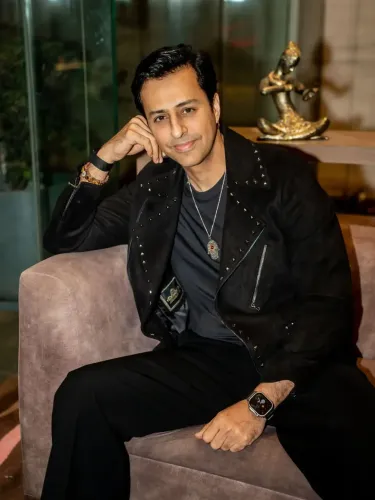
Veteran music composer Leslee Lewis has opened up about the sweeping transformation in how indie pop music is created, contrasting the label-driven ecosystem of the 1990s with today's artist-first landscape. Speaking from Andheri West, Mumbai, Lewis offered a candid look at the creative process that defined a generation of chartbusters.
How Music Was Made in the 90s
According to Lewis, the power dynamic in the early indie pop era was fundamentally different. It was the labels — not the composers — who initiated the process. Leslee Lewis recalled: 'In those days, you didn't, mostly didn't take a song to the label. The label came to you saying, "Hey, I know you compose a good song. I know you produce a song. We have this artiste. Can you produce and compose a song for this artist?" So it came to be from the labels. We trust your musical judgment and we want this to be a commercial hit. Obviously everybody wants a commercial hit, but it should suit the artiste.'
This model placed the composer at the centre of a triangular relationship between label, artist, and audience — with commercial viability and artistic fit as twin mandates.
Why the Songs Resonated
Lewis argued that this tailored approach is precisely why the music of that era left a lasting impression. 'I think that work has been more about creating that artist into a star. Those songs first had to suit that artist. And that's probably why you've loved all the songs because those artistes sang from their heart because the songs are composed for them in their style,' he said.
Notably, this philosophy stands in contrast to the current streaming-era model, where songs are often produced speculatively and then matched to artists — or released by artists independently without label gatekeeping. The shift, Lewis implies, has altered the emotional authenticity that defined 90s indie pop.
Colonial Cousins and the PM Modi Connection
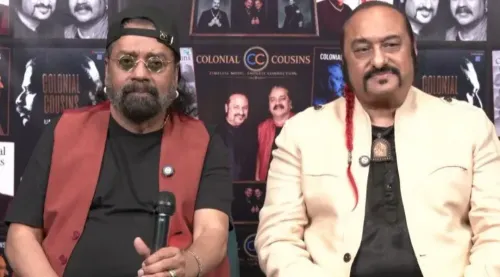
The conversation around Lewis's legacy gained fresh relevance recently when Prime Minister Narendra Modi presented a vinyl edition of the iconic album 'Colonial Cousins' — the celebrated collaboration between Leslee Lewis and Hariharan — as a diplomatic gift to Australian Prime Minister Anthony Albanese during his official visit to Australia. The gesture placed the album alongside other curated gifts celebrating India's cultural heritage, artistic traditions, and agricultural excellence.
Among the accompanying gifts was an Indian Premium Coffee Box, showcasing varieties from the country's leading coffee-growing regions, distinguished by their geography, altitude, and processing methods including washed, natural, and honey techniques.
The Broader Shift in Music-Making
Over 30 years, the Indian music industry has moved from physical album cycles driven by labels to a digital-first, algorithm-influenced environment. Indie pop — once a distinct genre with its own star ecosystem — has largely been absorbed into the broader independent music scene, where platforms and playlists now play the role that labels once did.
Lewis's reflections serve as both a nostalgia trip and a structural critique: the personalisation that once made an artist a star is harder to replicate in an era of volume-driven content creation. Whether the industry can recapture that intentionality remains an open question as streaming economics continue to reshape how music is commissioned, composed, and consumed.
Point of View
Not artist-song fit. The Colonial Cousins gift to Australia's PM is a telling footnote: India's cultural diplomacy is reaching back to the 90s for its most resonant examples, which says something about both the era's enduring quality and the relative thinness of what has followed.
NationPress
25 Oct 2026
Frequently Asked Questions
How was indie pop music made in India in the 1990s?
In the 1990s, music labels approached composers directly with an artist they wanted to promote, asking them to write and produce songs suited to that artist's style. Composer Leslee Lewis says this artist-first model ensured songs were crafted around a singer's strengths, which is why they resonated so deeply with audiences.
Who is Leslee Lewis and why is he significant?
Leslee Lewis is a veteran Indian music composer best known for co-creating the album 'Colonial Cousins' with singer Hariharan, which became one of the defining works of 1990s Indian indie pop. He has recently spoken about the sweeping changes in music production over the past 30 years.
Why did PM Modi gift 'Colonial Cousins' to Australian PM Anthony Albanese?
Prime Minister Narendra Modi presented a vinyl edition of 'Colonial Cousins' to Australian Prime Minister Anthony Albanese during his official visit to Australia as part of a curated set of gifts celebrating India's cultural legacy and artistic traditions. The album was chosen as a representation of India's rich musical heritage.
How has music-making changed in India over 30 years?
According to Leslee Lewis, the industry has shifted from a label-driven model — where composers were commissioned to build songs around specific artists — to a digital-first environment where songs are often produced speculatively and distributed via streaming platforms. The role once played by labels is now largely filled by algorithms and playlists.
What else did PM Modi gift to the Australian Prime Minister?
Alongside the vinyl edition of 'Colonial Cousins', PM Modi gifted an Indian Premium Coffee Box featuring varieties from India's leading coffee-growing regions, distinguished by geography, altitude, and processing methods such as washed, natural, and honey techniques.