Rabbi Shergill says art has 'disappeared a little' as entertainment crowds it out
Synopsis
Rabbi Shergill, the Punjabi-Sufi balladeer behind 'Bulla Ki Jaana', says his decade-old fear that art is dying at the hands of entertainment has come true — and he has a pointed test: name one political song or film from the last ten years. The silence, he implies, is the answer.
Key Takeaways
Rabbi Shergill says there is now 'a little less space for art' in India's music and entertainment landscape.
He first raised the concern a decade ago, warning that 'art is slowly dying and entertainment is taking its place.' Shergill challenged audiences to name a political song or political film released in the last 10 years — pointing to their absence as evidence of art's retreat.
His debut hit 'Bullah Ki Jaana' was based on a Kafi poem by Punjabi Sufi saint Bulleh Shah .
He sang 'Challa' for Yash Chopra's 2012 film 'Jab Tak Hai Jaan' , composed by A.R.
Rahman with lyrics by Gulzar .
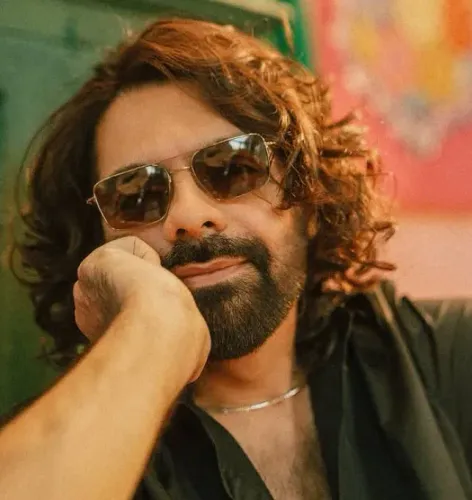
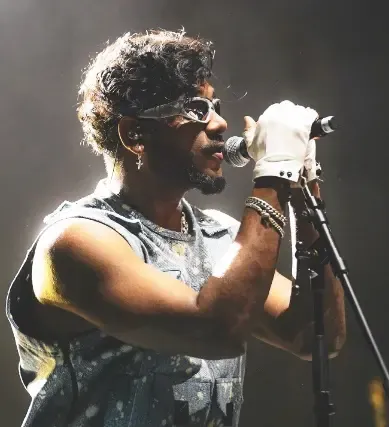
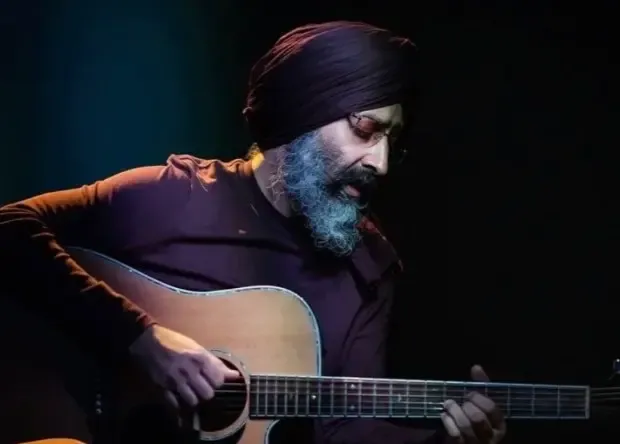
Singer-songwriter Rabbi Shergill, celebrated for Punjabi-Sufi crossover anthems such as 'Bulla Ki Jaana', 'Tere Bin', 'Challa', and 'Heer', says his decade-old concern about art losing ground to entertainment has proven well-founded. Speaking in Mumbai on 5 October 2026, Shergill reflected on the cultural landscape and concluded: 'Art has disappeared a little.'
A Decade-Old Warning Revisited
About ten years ago, Shergill had observed that 'art is slowly dying and entertainment is taking its place.' Asked whether he still holds that view, the musician — often described as Punjabi music's true urban balladeer — said the situation has, if anything, reinforced his earlier concern. 'I think this has become a little subjective. My opinion is that, by and large, there is a little less space for art,' he said.
He did not walk back the sentiment but acknowledged it now feels more nuanced, shaped by shifting audience tastes, streaming algorithms, and the commercial pressures that increasingly govern what gets made and what gets heard.
The Absence of Political Art
Shergill pointed to a telling absence as evidence. 'Have you heard any political song in the last 10 years? Have you seen any political film in the last 10 years? So these are some of the questions I think the viewers, the beginners, can answer themselves,' he said.
The observation carries weight coming from an artist whose own catalogue is steeped in Sufi philosophy and social commentary. His debut hit 'Bullah Ki Jaana' was rooted in a Kafi poem by Punjabi Sufi saint Bulleh Shah — the kind of spiritually and culturally loaded material that, critics argue, finds little room in today's commercially driven music market.
A Sound That Defies Easy Labels
Shergill's music has long resisted neat categorisation — variously described as rock, Punjabi folk, sufiana, semi-Sufi, semi-folksy, and layered with Western arrangements. That cross-genre identity may itself be a product of an era when artists could carve out unconventional spaces without the instant verdict of streaming metrics.
He notably lent his voice to Yash Chopra's 2012 romantic drama 'Jab Tak Hai Jaan', starring Shah Rukh Khan, crooning the lead number 'Challa' — composed by A.R. Rahman with lyrics by Gulzar. The film, which cast Khan as Samar Anand, a bomb disposal expert with the Indian Army, remains one of his most commercially prominent collaborations.
What This Signals for Indian Music
Shergill's remarks arrive at a moment when the Indian music industry is navigating a significant structural shift — from album-driven artistry to single-release, playlist-optimised content. Independent artists and folk-rooted musicians have found new platforms through YouTube and streaming, but commercial visibility increasingly favours high-tempo, hook-driven tracks over the introspective, layered compositions Shergill built his name on.
Whether his warning spurs a renewed conversation about the commercial-artistic balance in Indian music remains to be seen, but his voice — precisely because it has remained consistent over two decades — carries an authority that is difficult to dismiss.
Point of View
Shergill suggests, has quietly been surrendered without anyone formally announcing its end.
NationPress
5 Oct 2026
Frequently Asked Questions
What did Rabbi Shergill say about art and entertainment in India?
Rabbi Shergill said there is now 'a little less space for art' in India, reaffirming a concern he first raised a decade ago that art is slowly dying as entertainment takes its place. He pointed to the absence of political songs and political films over the last ten years as evidence.
Who is Rabbi Shergill?
Rabbi Shergill is an Indian singer-songwriter known for Punjabi-Sufi crossover music, often described as Punjabi music's true urban balladeer. His best-known songs include 'Bulla Ki Jaana', 'Tere Bin', 'Challa', and 'Heer', and his work blends rock, Sufi, folk, and Western arrangements.
What is 'Bullah Ki Jaana' and why is it significant?
'Bullah Ki Jaana' is Rabbi Shergill's breakthrough hit, based on a Kafi poem by Punjabi Sufi saint Bulleh Shah. It became a landmark in Indian independent music for bringing classical Sufi philosophy to a mainstream rock audience.
What was Rabbi Shergill's connection to 'Jab Tak Hai Jaan'?
Rabbi Shergill sang 'Challa', the lead number from Yash Chopra's 2012 romantic drama 'Jab Tak Hai Jaan' starring Shah Rukh Khan. The song was composed by A.R. Rahman with lyrics by Gulzar.
Why does Rabbi Shergill's view on political art matter today?
His observation highlights a broader shift in Indian music and cinema, where commercial and algorithmic pressures increasingly favour high-tempo, hook-driven content over politically or socially engaged art. Coming from an artist with a two-decade track record of unconventional, philosophy-rooted music, the critique carries significant credibility.