Smriti Irani Joins Mann Ki Baat Episode 139 in Chhattisgarh
Synopsis
BJP leader Smriti Irani attended a Mann Ki Baat listening session in Raipur rural district on 25 October 2026, marking the programme's 139th episode and 12th anniversary. She highlighted women in handloom and Bihar makhana reaching Greece as Vocal for Local wins.
Key Takeaways
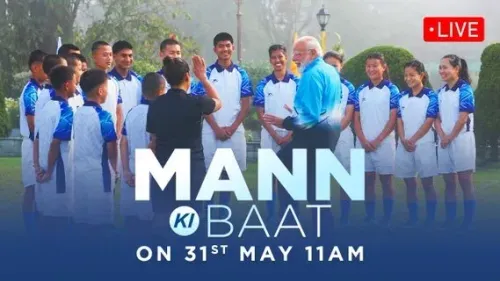
Mann Ki Baat completed 12 years and aired its 139th episode on 25 October 2026 .
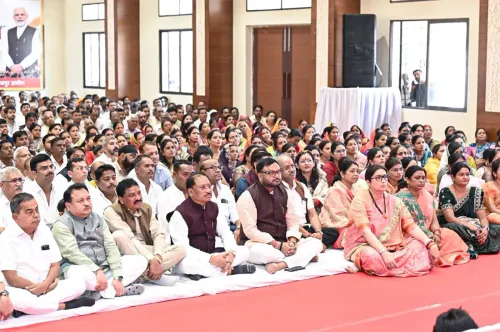
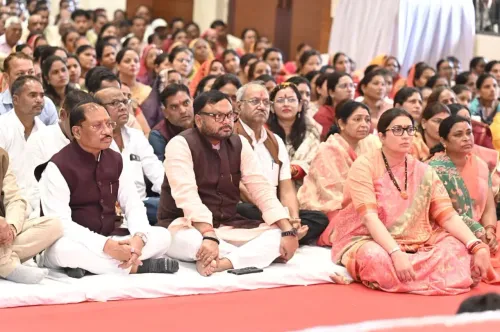
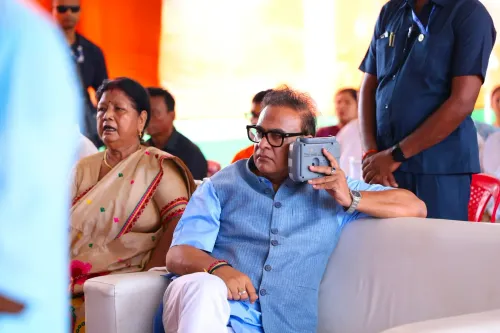
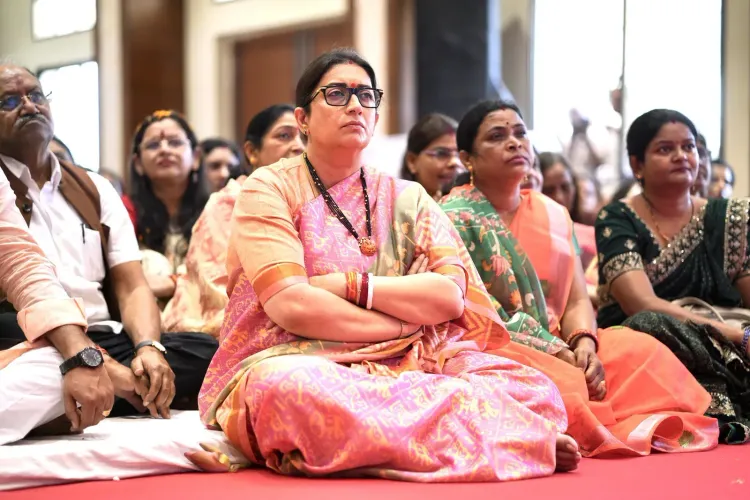
Smriti Irani listened to the episode in Abhanpur assembly segment , Raipur rural district, Chhattisgarh.
PM Modi spotlighted women in handloom , local product promotion, natural resource conservation, and community participation.
Bihar makhana exporting to Greece was cited as a concrete success of the #VocalForLocal campaign.
The Vocal for Local initiative is a core pillar of the Atmanirbhar Bharat package announced in 2020 .
Irani congratulated PM Modi and all citizens on the programme's milestone anniversary.
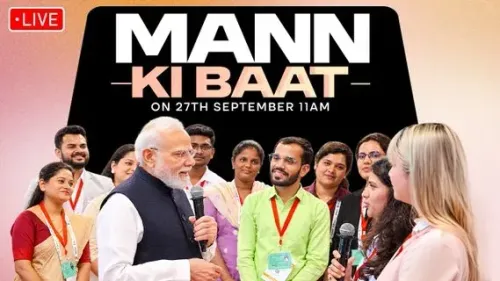
Twelve years after its first broadcast, Prime Minister Narendra Modi's monthly radio address Mann Ki Baat reached its 139th episode on Sunday, 25 October 2026 — and BJP leader Smriti Irani was listening, not from Delhi, but from Abhanpur assembly segment in the rural outskirts of Raipur, Chhattisgarh.
Irani shared the occasion on X, writing that during her Chhattisgarh visit she listened to the programme and highlighted the themes the Prime Minister had underlined: women entrepreneurs carving new identities through handloom, the push for local products, conservation of natural resources, and community-driven change. She offered warm congratulations to the Prime Minister and to citizens across the country on the programme completing 12 years.
Bihar's Makhana Lands in Greece
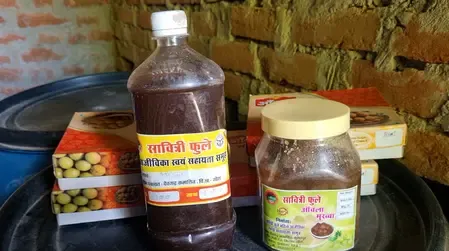
The detail that jumped out of the episode, according to Irani, was a striking export milestone: Bihar's makhana — the fox nut traditionally harvested in the Mithila wetlands — has now reached Greece. She called it a 'big example' of the success of #VocalForLocal, the campaign that sits at the heart of the Atmanirbhar Bharat self-reliance package launched in 2020. The image of a humble pond crop landing on European shelves is precisely the kind of concrete, human-scale story that Mann Ki Baat was built to amplify.
Handloom, Women, and the Show's Recurring Thread
The episode's emphasis on women finding new identities through handloom is consistent with a pattern that has run through the programme since its launch in October 2014. Mann Ki Baat has repeatedly returned to traditional craft sectors — weaving, pottery, natural farming — as sites where women's economic participation is visibly growing. Irani, as a former Union Minister for Women and Child Development, underscored this angle specifically, describing the stories as 'prerak kahaniyaan' (inspiring stories) that demonstrate the power of community participation in nation-building.
A 12-Year Milestone on the Airwaves
Mann Ki Baat's 139 episodes over 12 years make it one of the longest-running direct-to-citizen communication platforms by an Indian head of government. Broadcast on All India Radio and carried across digital platforms, it has served as a vehicle for surfacing stories from small towns and villages that rarely break into mainstream headlines — from handloom clusters in the Northeast to makhana farmers in Bihar. Irani's post, filed from a rural assembly constituency in Chhattisgarh, itself reflects the programme's premise: that the real story of India unfolds far from the capital.
As the programme enters its thirteenth year, the interplay between local produce, women's enterprise, and export reach — all spotlighted in episode 139 — signals where the narrative spotlight is likely to stay.
Point of View
Consistently weaving self-reliance messaging into citizen success stories. Irani's participation from a rural Chhattisgarh constituency — rather than a Delhi studio — is a deliberate optics choice that reinforces the programme's grassroots framing ahead of any state-level political activity. The makhana-to-Greece detail is emblematic of how Vocal for Local has shifted from a slogan to a supply-chain story the government can point to globally. For Irani specifically, amplifying the handloom-and-women angle aligns with her long ministerial record on women's economic empowerment, keeping that identity visible even outside a portfolio.
NationPress
25 Oct 2026
Frequently Asked Questions
What was discussed in Mann Ki Baat episode 139?
According to Smriti Irani, the 139th episode of Mann Ki Baat highlighted women entrepreneurs in handloom, promotion of local products, natural resource conservation, and community-driven positive change. The export of Bihar makhana to Greece was cited as a Vocal for Local success story.
When did Mann Ki Baat complete 12 years?
Mann Ki Baat completed 12 years on 25 October 2026, coinciding with the broadcast of its 139th episode. The programme was launched by Prime Minister Narendra Modi in October 2014.
Why is Bihar makhana export to Greece significant?
Bihar makhana reaching Greece is cited as a concrete example of the Vocal for Local campaign's success under Atmanirbhar Bharat, showing that a traditionally local Indian agricultural product has achieved international commercial reach.
Where did Smriti Irani listen to Mann Ki Baat episode 139?
Smriti Irani listened to the 139th episode of Mann Ki Baat in the Abhanpur assembly segment under Raipur rural district in Chhattisgarh, during an ongoing visit to the state.
What is Vocal for Local?
Vocal for Local is a campaign launched as part of the Atmanirbhar Bharat self-reliance package in 2020, encouraging Indians to buy and promote domestically produced goods and supporting indigenous manufacturers and artisans.