Iran destroys 54th US drone over Bandar Abbas amid Trump strike threat
Synopsis
Iran claims its air defences destroyed a 54th US drone — this time over the port city of Bandar Abbas — as Trump publicly threatens a fresh round of military strikes unless Tehran accepts a nuclear deal. With US intelligence warning of advanced Iranian plots against American officials and diplomats being pulled from the region, the US-Iran standoff is intensifying on multiple fronts simultaneously.
Key Takeaways
Iran's Army announced the interception of a US drone over Bandar Abbas on 25 October 2026 , the 54th such claim in recent months.
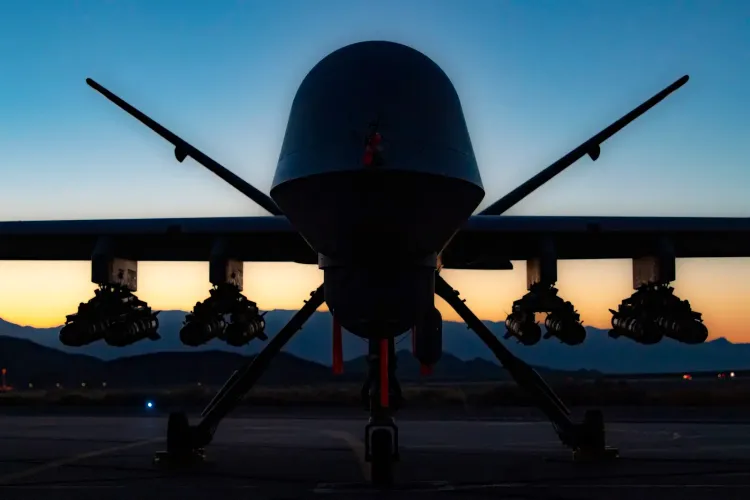
The IRGC had earlier this week claimed it downed a US MQ-9 Reaper drone over the Strait of Hormuz .
President Donald Trump threatened 'another little Epic Fury' of military strikes if Iran does not agree to a nuclear deal.
A senior US intelligence official warned Secretary of State Marco Rubio of advanced Iranian plots to target American officials.
Washington has begun withdrawing diplomats from Saudi Arabia and reducing embassy staffing across the region.
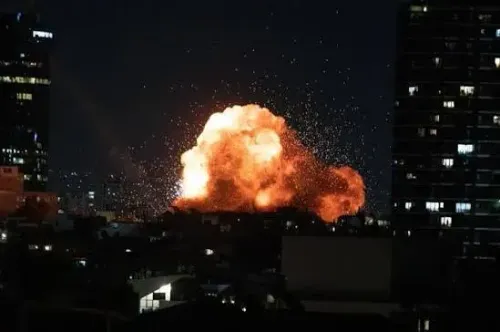
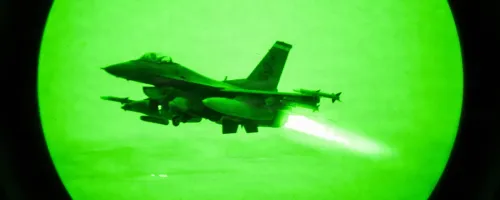
Iran's Army announced on Sunday, 25 October 2026, that its air defence forces intercepted and shot down a US drone over the southern port city of Bandar Abbas, marking the 54th American drone Iran claims to have destroyed in recent months. The military statement, published on the army's official website, signals a continuing pattern of aerial confrontations between the two nations even as diplomatic pressure mounts.
The Latest Intercept
According to Iran's Army, air defence systems successfully engaged and eliminated the drone over Bandar Abbas, a strategically critical port on the Strait of Hormuz. The intercept follows a similar incident earlier this week, when Iran's Islamic Revolutionary Guard Corps (IRGC) claimed it shot down a US MQ-9 Reaper drone over the Strait of Hormuz. Tehran has now claimed 54 such interceptions in the past few months, though Washington has not confirmed these figures.
Trump's Warning: 'Another Little Epic Fury'
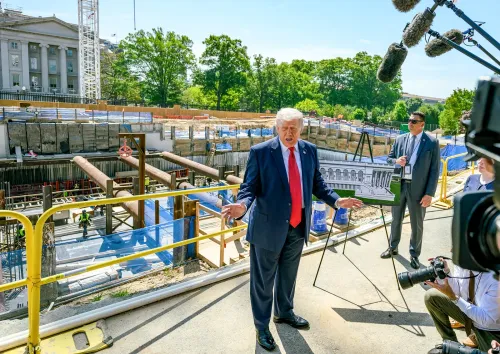
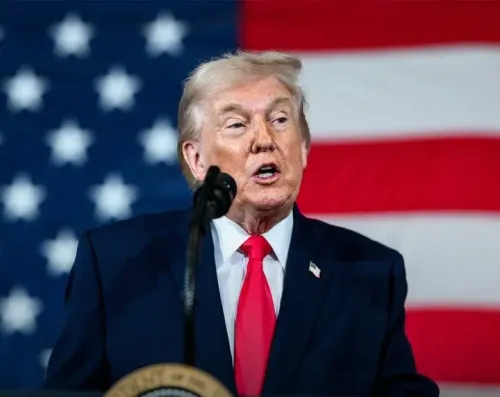
The drone downing comes as US President Donald Trump publicly warned that American forces could launch a fresh round of military strikes against Iran if Tehran refuses to reach a nuclear agreement with Washington. Speaking at a Republican campaign rally in Fort Myers, Florida on Friday, Trump told supporters: 'We may do another little Epic Fury, or they'll agree. If they're smart, they'll just say, let's get down to business.'
Trump also sought to frame previous military action as decisive, stating, 'We defeated them militarily, financially and otherwise and now we are ensuring it's done.' Notably, he did not outline the specific conditions Iran would need to meet to avoid further military action, leaving the diplomatic threshold undefined.
Intelligence Warning on Iranian Plots
In a parallel development, a senior US intelligence official reportedly warned Secretary of State Marco Rubio that Iran has sharply escalated efforts to target American officials, with some lethal plots described as being at an advanced stage. In response, Washington has begun pulling diplomats out of Saudi Arabia and reducing staff at several other embassies across the region — a significant security precaution that underscores the depth of the current tensions.
Strategic Context: Hormuz and the Broader Standoff
The Strait of Hormuz is one of the world's most critical chokepoints, through which approximately 20% of global oil supply transits daily. Repeated drone incidents in and around the waterway carry implications well beyond the bilateral US-Iran dispute, touching energy markets, regional stability, and the security of Gulf states. This is the latest chapter in a long-running aerial standoff that critics argue risks miscalculation and unintended escalation. Iran's claim of 54 interceptions, if even partially accurate, suggests a significant and sustained operational tempo on both sides.
What Happens Next
The situation remains fluid. Trump's remarks signal that the window for a negotiated settlement is narrowing, while Iranian air defence activity suggests Tehran is signalling resilience rather than preparing to concede. Analysts will be watching closely for any formal US response to the Bandar Abbas incident, further embassy drawdowns, and whether back-channel nuclear talks resume in the coming days.
Point of View
Taken alongside Trump's unscripted 'Epic Fury' threat at a campaign rally, reveals a standoff where neither side has defined clear red lines — a structurally dangerous combination. Trump's framing of prior strikes as a decisive victory sits uneasily alongside intelligence warnings that Iran has advanced lethal plots against US officials: that is not the behaviour of a defeated adversary. The Strait of Hormuz dimension is underreported — repeated incidents in one of the world's most critical oil chokepoints carry energy-market and regional-stability implications that go far beyond the bilateral dispute. The embassy drawdowns, largely treated as a footnote, may be the most consequential signal of how seriously Washington assesses the threat level right now.
NationPress
25 Oct 2026
Frequently Asked Questions
Why did Iran shoot down a US drone over Bandar Abbas?
Iran's Army stated its air defence forces intercepted and destroyed the US drone as part of ongoing efforts to protect its airspace, claiming it was the 54th American drone shot down in recent months. Tehran has not provided further details on the drone's mission or origin.
What is the 'Epic Fury' threat Trump made against Iran?
At a campaign rally in Fort Myers, Florida on Friday, President Donald Trump warned that the US could launch another round of military strikes — which he called 'another little Epic Fury' — if Iran does not reach a nuclear agreement with Washington. He did not specify the conditions Iran would need to meet to avoid such action.
What is the significance of the Strait of Hormuz in this conflict?
The Strait of Hormuz is a critical global oil transit route through which roughly 20% of world oil supply passes daily. The IRGC earlier this week claimed it downed a US MQ-9 Reaper drone in this waterway, making repeated incidents there a serious concern for regional stability and energy markets.
Why is the US withdrawing diplomats from Saudi Arabia?
According to reports, a senior US intelligence official warned Secretary of State Marco Rubio that Iran has sharply escalated efforts to target American officials, with some lethal plots at an advanced stage. In response, Washington has begun pulling diplomats from Saudi Arabia and reducing staff at several regional embassies as a precautionary security measure.
How does this incident fit into the broader US-Iran tensions?
The Bandar Abbas drone incident is the latest in a sustained pattern of aerial confrontations between Iran and the US, set against the backdrop of nuclear negotiations and Trump's military pressure campaign. Iran's claimed 54 interceptions over recent months, alongside active plots against US officials, suggest neither side is stepping back from the brink.