Padmini Kolhapure fires back at CINTAA 'dictatorship' charge by Upasana Singh
Synopsis
CINTAA's internal power struggle spilled into public view as Padmini Kolhapure directly challenged Upasana Singh's 'dictatorship' charge — invoking quorum rules, majority voting, and the independent standing of colleagues like Rakesh Bedi and Yashpal Sharma to argue that two people simply cannot run a committee of industry veterans by diktat.
Key Takeaways
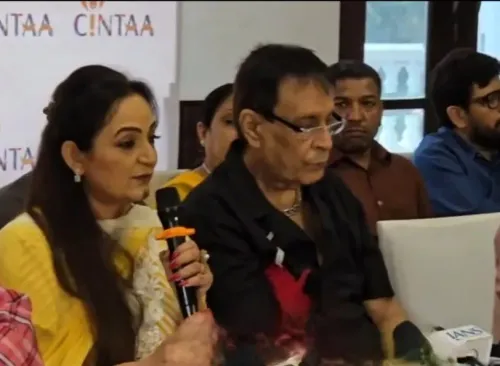
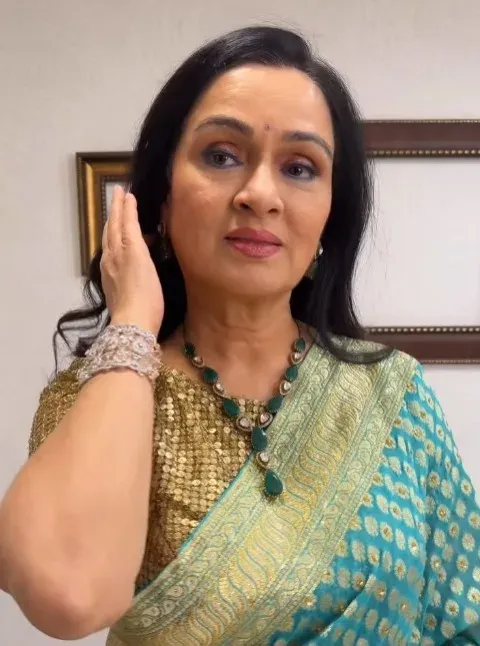
Padmini Kolhapure , senior Vice President of CINTAA , rejected 'dictatorship' allegations at a press conference in Mumbai on 24 August .
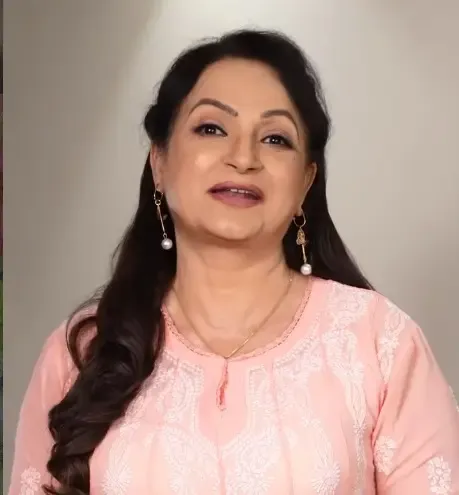
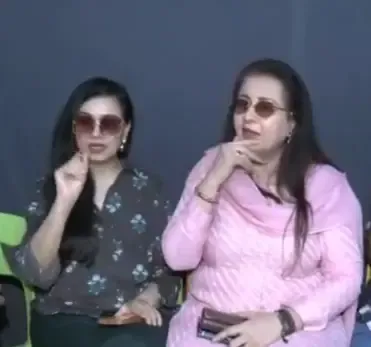
Former general secretary Upasana Singh had accused Kolhapure and Poonam Dhillon of authoritarian control and sidelining dissenting members.
Kolhapure cited the EC's quorum requirement of eight members and mandatory majority voting as structural safeguards against unilateral decisions.
She asserted the current CINTAA committee is completely legal , has not been dissolved, and is functioning per the association's constitution.
The dispute follows a wave of Executive Committee resignations that escalated the internal conflict into a public controversy.
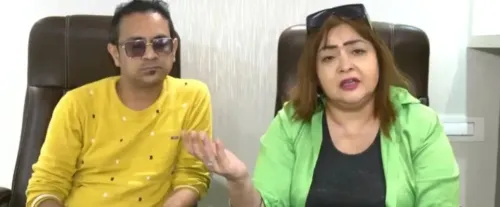
Veteran actress and senior Vice President of the Cine & TV Artistes' Association (CINTAA), Padmini Kolhapure, on 24 August pushed back sharply against allegations of 'dictatorship' levelled by former general secretary Upasana Singh against her and fellow actress Poonam Dhillon. Speaking at a press conference convened by CINTAA in Mumbai, Kolhapure defended the association's governance structure and questioned whether a body of senior industry veterans could realistically be reduced to rubber-stamping two individuals.
How Decisions Are Actually Taken, Kolhapure Explains
Kolhapure directly addressed the dictatorship charge by walking through the Executive Committee's decision-making process. She stressed that every meeting requires a quorum of eight members before it can even begin, and that any resolution must then pass by majority vote.
'When we have meetings, when we have EC meetings, first of all, we need to have a quorum. A quorum of eight people. After that, our meeting can start. If there is a decision to be taken, it has to be taken by the majority,' she said.
She added that she herself could not act unilaterally — even the decision to hold the press conference had gone through the same collective process. 'I cannot stand up and decide that we want to have a press conference. I cannot,' she said.
The 'Yes Madam' Jibe, Turned Around
Upasana Singh had alleged that members who refused to simply say 'yes madam' to Kolhapure and Dhillon were sidelined, making the association's functioning 'dictator-like'. Kolhapure turned that framing on its head, invoking the names of respected colleagues present at the press conference.
'And if I talk about dictatorship, do you think that senior actors, Pintu ji, Rakesh Bedi ji, who are sitting there, and Yashpal Sharma ji, and all the people sitting here… do you think that we can have a dictatorship?' she asked. She followed up pointedly: 'Do you see all these 'yes madam' people? Don't they have their own minds?'
Committee Is Legal and Functioning, Says Kolhapure
Amid swirling claims about the committee's legal status following a wave of Executive Committee resignations, Kolhapure was categorical. 'First of all, I would like to authenticate that this committee is completely legal,' she said, noting that several senior members were currently away on professional commitments but remained supportive.
She was equally firm on continuity: 'Let me tell you once again, the committee has not been dissolved. It has not been disbanded. And we are working as per the constitution.' She framed the gathering's purpose simply — 'We have all come here to do good for the members of CINTAA.'
Background: What Triggered the CINTAA Dispute
The controversy escalated after a significant number of Executive Committee members resigned, with Upasana Singh emerging as a vocal critic of the current leadership. Singh had accused Kolhapure and Dhillon of exercising excessive control over the committee's functioning and of sidelining dissenting voices. The dispute has drawn wider attention given the stature of the personalities involved and CINTAA's role as one of the film industry's principal artistes' bodies.
With the committee asserting its legality and critics maintaining their allegations, the internal standoff at CINTAA is unlikely to resolve quickly. How the association's membership — and, potentially, relevant authorities — respond to competing claims about its governance will determine the body's near-term direction.
Point of View
But it sidesteps the core grievance: whether dissenting voices were informally pressured even within a technically legal process. Artistes' bodies in India have a long history of factional disputes that rarely get resolved through internal processes alone; the real question is whether CINTAA's membership at large — not just the press conference room — feels represented. Until an independent audit of the resignations and their stated reasons is conducted, both narratives will coexist without resolution.
NationPress
8 Oct 2026
Frequently Asked Questions
What is the CINTAA dictatorship controversy about?
The controversy centres on allegations by former CINTAA general secretary Upasana Singh that senior Vice President Padmini Kolhapure and actress Poonam Dhillon exercised excessive, authoritarian control over the association's Executive Committee, sidelining members who did not agree with them. Kolhapure has denied the allegations, citing the EC's quorum and majority-voting rules as proof of collective governance.
Who is Upasana Singh and what did she allege?
Upasana Singh is a comedian and actress who served as general secretary of CINTAA. She alleged that Kolhapure and Dhillon ran the committee in a 'dictator-like' manner, insisting things go their way and sidelining anyone who did not simply say 'yes madam' to them.
Is the current CINTAA committee legally valid?
Padmini Kolhapure has asserted that the current committee is 'completely legal', has not been dissolved, and is operating in accordance with CINTAA's constitution. Critics have disputed the committee's standing following a wave of Executive Committee resignations.
How are decisions made within CINTAA's Executive Committee?
According to Kolhapure, every EC meeting requires a quorum of eight members before it can begin, and any decision must then be passed by a majority vote. She stated that no individual — including herself — can take a unilateral decision.
What happens next in the CINTAA dispute?
The internal standoff remains unresolved, with the current leadership asserting legality and former members maintaining their allegations. The association's broader membership, and potentially relevant external authorities, may need to weigh in before the dispute is settled.