Poonam Dhillon reunites with Asha Parekh, Juhi Chawla at birthday gathering
Synopsis
Four generations of Bollywood royalty in one frame — Poonam Dhillon's reunion photo with Asha Parekh, Juhi Chawla, and Padmini Kolhapure celebrates decades of friendship, even as Poonam and Padmini navigate a simmering CINTAA controversy that saw 11 members resign in August 2026.
Key Takeaways
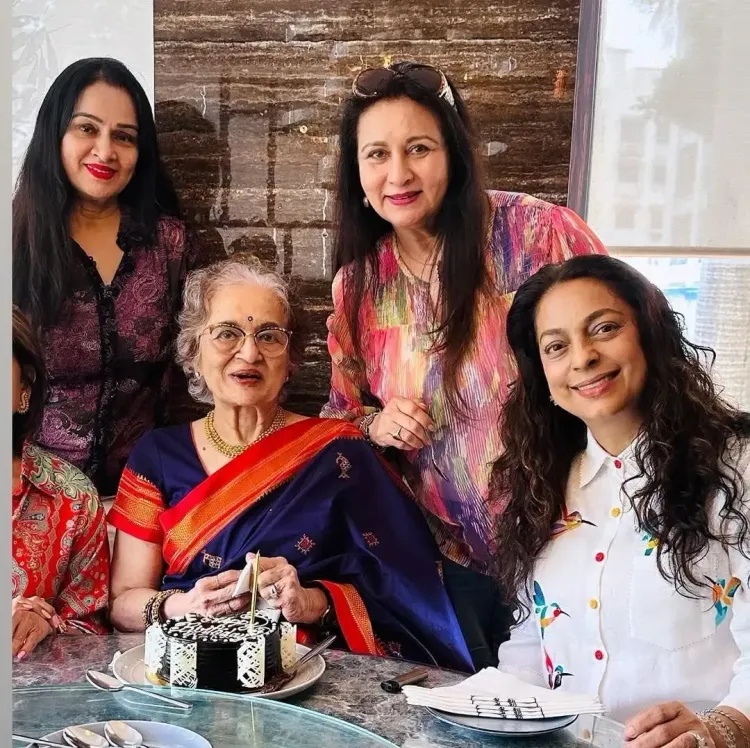
Poonam Dhillon shared a reunion photo with Asha Parekh , Juhi Chawla , and Padmini Kolhapure , apparently at Asha Parekh's birthday celebration.
Poonam described the group as 'intelligent good hearted ladies' on social media.
Poonam Dhillon and Asha Parekh previously co-starred in the 1989 film Batwara , directed by J.
In August 2026 , 11 CINTAA members resigned, reportedly citing allegations against Poonam and Padmini , who have rejected the claims.
The gathering brought together some of Hindi cinema's most iconic faces spanning the 1960s through the 1990s .
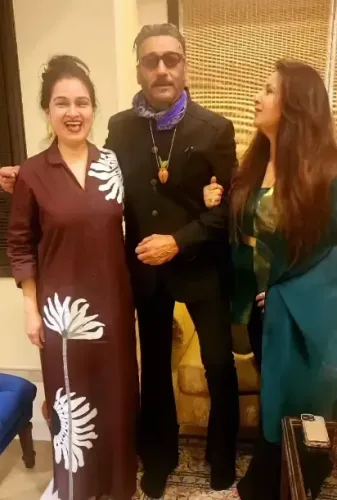
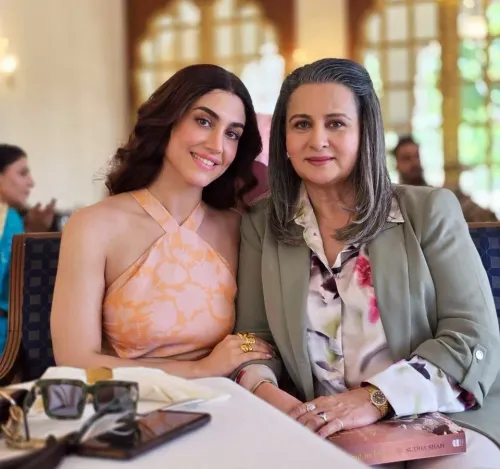
Veteran actress Poonam Dhillon recently caught up with celebrated star Asha Parekh and fellow actresses Juhi Chawla and Padmini Kolhapure at what appears to have been a birthday celebration for Asha Parekh. Poonam shared a picture from the warm gathering on her social media account, describing the occasion as a joyful reunion with cherished friends.
What Poonam Said
Sharing the photograph on social media, Poonam Dhillon wrote: 'So lovely to catch up with intelligent good hearted ladies.' The image captures Asha Parekh dressed in a navy-blue saree, flanked by Padmini Kolhapure and Juhi Chawla.
Shared Screen History
Poonam Dhillon and Asha Parekh previously shared screen space in the 1989 film Batwara, directed by J. P. Dutta. The multi-starrer boasted an ensemble cast that included Dharmendra, Vinod Khanna, Dimple Kapadia, Amrita Singh, along with Poonam and Asha. The reunion carries added nostalgia given their long professional association.
The Luminaries in the Room
Asha Parekh, one of the most celebrated actresses of her generation, is remembered for iconic performances in films such as Teesri Manzil, Kati Patang, and Caravan. Poonam Dhillon rose to prominence with films including Noorie, Basera, and Yeh Vaada Raha, while Padmini Kolhapure earned critical acclaim for her roles in Prem Rog and Woh Saat Din. Juhi Chawla, the youngest of the group, became one of the defining actresses of the 1990s through films like Qayamat Se Qayamat Tak, Hum Hain Rahi Pyar Ke, and Ishq.
CINTAA Controversy in the Background
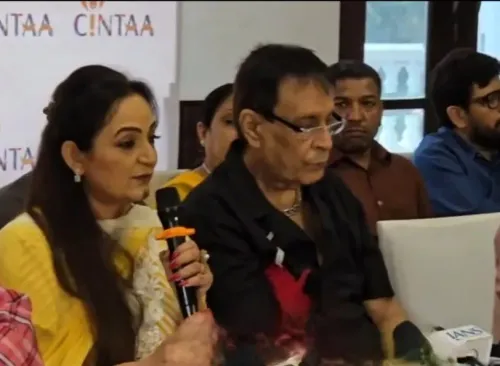
The reunion comes amid an ongoing controversy surrounding the Cine and TV Artistes' Association (CINTAA) that has drawn in both Poonam Dhillon and Padmini Kolhapure. In August 2026, 11 members of the association submitted their resignations, reportedly citing allegations of unilateral decision-making and misuse of positions against the two actresses. Both Poonam and Padmini have rejected the allegations, describing them as offensive. The warm photographs from the gathering contrast sharply with the institutional turbulence playing out in the background.
Point of View
And the warm optics of a birthday gathering will do little to resolve the governance questions the association now faces. What the image does capture, however, is something the film industry seldom pauses to appreciate — the enduring bonds between actresses who built Bollywood across four decades, largely without the institutional support their male counterparts enjoyed. The CINTAA controversy, if anything, is a reminder that the industry's associational structures have not kept pace with the stature of the women who now lead them.
NationPress
15 Oct 2026
Frequently Asked Questions
Why did Poonam Dhillon share a photo with Asha Parekh and Juhi Chawla?
Poonam Dhillon posted a reunion photograph on social media after catching up with Asha Parekh, Juhi Chawla, and Padmini Kolhapure at what appears to have been Asha Parekh's birthday celebration. She described the women as 'intelligent good hearted ladies.'
What film did Poonam Dhillon and Asha Parekh appear in together?
Poonam Dhillon and Asha Parekh shared screen space in the 1989 multi-starrer Batwara, directed by J. P. Dutta. The film also featured Dharmendra, Vinod Khanna, Dimple Kapadia, and Amrita Singh.
What is the CINTAA controversy involving Poonam Dhillon and Padmini Kolhapure?
In August 2026, 11 members of the Cine and TV Artistes' Association (CINTAA) reportedly resigned, citing allegations of unilateral decision-making and misuse of positions against Poonam Dhillon and Padmini Kolhapure. Both actresses have rejected the allegations, calling them offensive.
Which iconic films is Asha Parekh known for?
Asha Parekh is best remembered for her performances in Teesri Manzil, Kati Patang, and Caravan, among others, making her one of the most celebrated actresses of her era in Hindi cinema.
What are Juhi Chawla's most notable films?
Juhi Chawla became one of the leading actresses of the 1990s with films including Qayamat Se Qayamat Tak, Hum Hain Rahi Pyar Ke, and Ishq, establishing herself as a defining face of that decade's Bollywood.