Ranvir Shorey files Mumbai Police complaint after death threats over electoral protests row
Synopsis
Actor Ranvir Shorey's death-threat complaint with Mumbai Police is the latest flashpoint in a politically charged moment — one where a celebrity's online exchanges over India's contested electoral roll revision process have escalated to doxing and threats, even as four-day-old protests in Delhi put the Election Commission under national scrutiny.
Key Takeaways
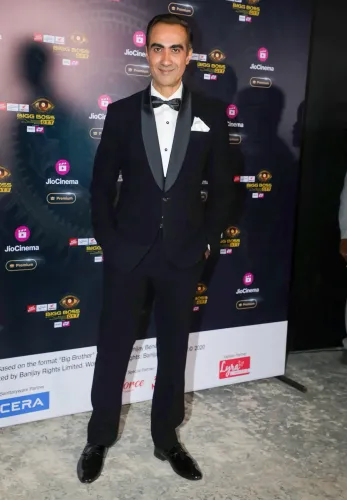
Ranvir Shorey filed an official complaint with Mumbai Police on 13 October 2026 after receiving death threats via email and being doxed on social media.
The threats reportedly followed the actor's online exchanges over protests against the Election Commission's Special Intensive Revision (SIR) of electoral rolls.
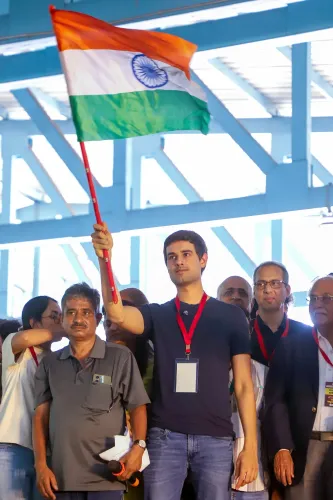
The Cockroach Janta Party (CJP) agitation demanding the resignation of Chief Election Commissioner Gyanesh Kumar entered its fourth day in Delhi on 13 October 2026 .
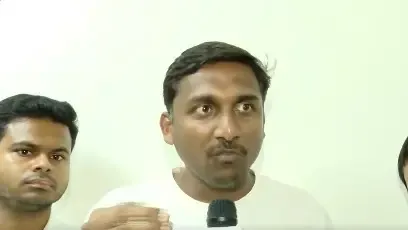
CJP founder Abhijeet Dipke and two fellow leaders were detained on 10 October and released on 11 October , reportedly on a condition to maintain public peace for one year.
The Supreme Court directed that protesters not be detained and that public transport return to normalcy during a special Sunday hearing.
The Election Commission and the BJP have denied allegations of manipulation in the voter-list revision exercise.
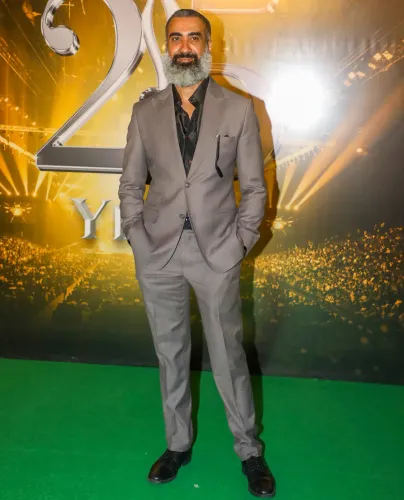
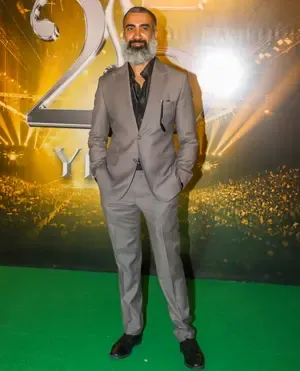
Actor Ranvir Shorey filed an official complaint with the Mumbai Police on Tuesday, 13 October 2026, after receiving death threats and being doxed on social media amid his public exchanges with users over ongoing protests against alleged irregularities in India's electoral system. The actor confirmed the filing on his X (formerly Twitter) account, urging authorities to take action.
What Shorey Said
In a post on X, Shorey wrote: 'Official complaint has been filed. Now it's over to @MumbaiPolice. Thanks to everyone who has shown concern.' Earlier, he had expressed gratitude to the Mumbai Police for reaching out to him after he was doxed — a practice where personal information is publicly exposed — and subjected to threats through his email inbox. The threats reportedly stemmed from ideological clashes on social media tied to the current national debate over voter-list revisions.
The Broader Context: Electoral Protests Across India
Shorey's complaint arrives against the backdrop of a widening agitation led by the online political movement, Cockroach Janta Party (CJP), which has been demanding the resignation of Chief Election Commissioner Gyanesh Kumar. Protests in Delhi entered their fourth consecutive day on 13 October 2026, with demonstrators opposing the Election Commission's Special Intensive Revision (SIR) of electoral rolls. The movement alleges the exercise has disenfranchised millions of voters — a charge the Election Commission and the Bharatiya Janata Party (BJP) have denied.
Detentions, Releases and Court Intervention
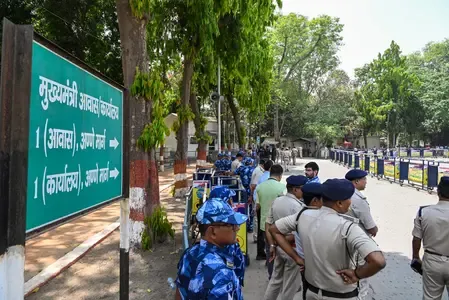
On 10 October, CJP founder Abhijeet Dipke and fellow leaders Saurav Das and Ashutosh Ranka were detained upon arriving in Delhi for a planned demonstration at Jantar Mantar. Several other protesters were also held as authorities imposed extensive security restrictions. All three leaders were released on 11 October, reportedly subject to a condition requiring them to maintain public peace for one year. Dipke subsequently vowed to continue the agitation. Notably, the Supreme Court, during a special hearing on Sunday, directed that protesters not be detained and that public transport be restored to normalcy.
Why This Matters
The threats against Shorey underline a growing pattern in which public figures who engage with politically charged topics online become targets of harassment and intimidation. The incident has drawn fresh attention to gaps in digital safety for celebrities and public commentators. More broadly, the intensification of the CJP-led protests — and the state's initial response of detentions — has raised questions about civil liberties and the right to peaceful assembly amid the ongoing electoral controversy. The CJP has also called for independent electoral reforms and a formal inquiry into the alleged irregularities in voter-list revisions.
What Happens Next
With the complaint now officially registered, Mumbai Police are expected to investigate the source of the threats. Meanwhile, the CJP agitation shows no signs of abating, with its leadership committed to sustaining demonstrations until the Chief Election Commissioner resigns or an independent inquiry is ordered. The Supreme Court's intervention on detentions and transport access is likely to shape how authorities manage future protest activity.
Point of View
But the intimidation of individuals on either side of the argument is a direct threat to open discourse. Separately, the state's initial response to the CJP protests — preemptive detentions before demonstrators even reached Jantar Mantar — raises serious questions about proportionality that the Supreme Court appears to have taken note of. How the Election Commission responds to calls for an independent inquiry will determine whether this protest cycle dissipates or deepens.
NationPress
14 Oct 2026
Frequently Asked Questions
Why did Ranvir Shorey file a complaint with Mumbai Police?
Ranvir Shorey filed a complaint with Mumbai Police on 13 October 2026 after receiving death threats through his email inbox and being doxed on social media. The threats reportedly stemmed from online disagreements over protests against the Election Commission's Special Intensive Revision of electoral rolls.
What is the Cockroach Janta Party (CJP) and what are its demands?
The Cockroach Janta Party (CJP) is a youth-led online political movement that has been leading protests against the Election Commission's Special Intensive Revision (SIR) of electoral rolls, alleging the exercise has disenfranchised millions of voters. Its key demand is the resignation of Chief Election Commissioner Gyanesh Kumar and an independent inquiry into alleged irregularities in voter-list revisions.
What happened to CJP leaders who came to Delhi to protest?
CJP founder Abhijeet Dipke and fellow leaders Saurav Das and Ashutosh Ranka were detained on 10 October 2026 upon arriving in Delhi for a planned demonstration at Jantar Mantar. They were released on 11 October, reportedly subject to a condition to maintain public peace for one year.
What did the Supreme Court say about the protests?
The Supreme Court, during a special hearing on Sunday, directed that protesters should not be detained and that public transport should return to normalcy. The intervention is seen as a check on the authorities' handling of the demonstrations.
Have the Election Commission and BJP responded to the allegations?
Yes. Both the Election Commission and the BJP have denied allegations of manipulation in the Special Intensive Revision of electoral rolls. They have rejected claims that the exercise was designed to disenfranchise voters.