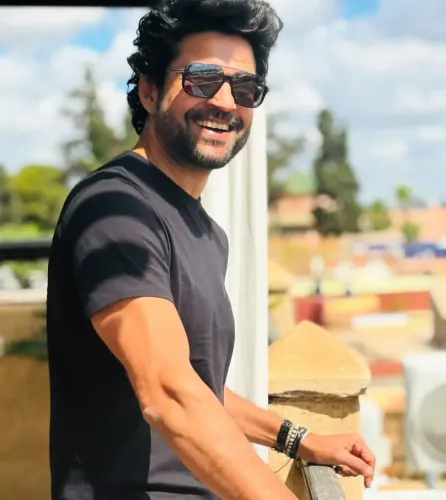
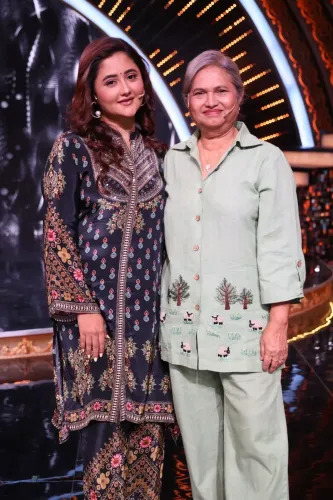
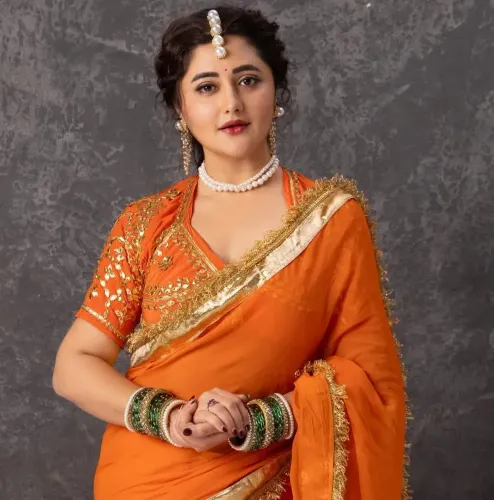
Rashami Desai, Rajeev Khandelwal back bodyshaming victim on 'Tum Ho Naa'

Synopsis
On 'Tum Ho Naa', a Bokaro dancer named Bina put bodyshaming critics in their place with one line — 'dance comes from the heart, not the body.' Rashami Desai and Rajeev Khandelwal turned the moment into a full-throated defence of women who refuse to shrink under public judgment, with Desai drawing on her own experience and family upbringing.
Key Takeaways
Rashami Desai and host Rajeev Khandelwal publicly backed contestant Bina against bodyshaming on 'Tum Ho Naa' .
Bina , a dancer from Bokaro , faced societal criticism over her physique but refused to quit.
Desai urged Bina to keep going, calling her 'an inspiration for your daughter' and drawing on her own brother's support as an example of family backing.
Khandelwal made a direct appeal to viewers in Bokaro to support rather than judge Bina, saying her talent deserves a national platform.
The episode highlights the intersection of bodyshaming, small-town exposure, and women's self-identity in Indian reality television.
Actress Rashami Desai and host Rajeev Khandelwal came together on the upcoming episode of 'Tum Ho Naa' to stand firmly against bodyshaming, rallying behind a contestant named Bina who spoke candidly about the societal judgment she faces because of her physique. The segment, centred on self-love and resilience, is set to air shortly and has already drawn attention for its emotional depth.
Bina's Story
Bina, a dancer from Bokaro, opened up about the relentless criticism she endures over her weight and appearance. Undeterred, she offered a quiet but powerful rebuttal: 'Main manti hoon dance dil se hota hain body se nahi' — 'I believe dance comes from the heart, not the body.' Her composure in the face of public ridicule visibly moved both Desai and Khandelwal.
What Rashami Desai Said
Deeply affected by Bina's spirit, Rashami Desai addressed the broader social pressure women face, particularly those from smaller towns with limited exposure. She told Bina: 'Ek baat kahungi, kehene keliye na agar logo ke pass baat heen nahi hogi toh voh baat heen kya karenge, aur agar aap mein voh baat heen nahi hain toh voh aapke baare mein baat heen kyu karenge toh aap please mat rukiye aap ek inspiration hain for your daughter aur aap please rukiye mat.' ('If people had nothing to talk about, what would they talk about? And if there wasn't something special about you, why would they talk about you at all? So please don't stop — you are an inspiration for your daughter.')
Desai went further, acknowledging how women — especially mothers — often lose sight of themselves after marriage or childbirth. She credited her own brother's support as foundational, noting that the values instilled during upbringing shape how family members show up for each other.
Rajeev Khandelwal's Appeal to Bokaro
Host Rajeev Khandelwal directed a heartfelt message specifically at viewers from Bina's hometown of Bokaro, urging them to champion rather than criticise her. 'Bokaro walo aapke hhe shahar se kitne acha nritya karne wali hain Binaji aur aap inhe please support kijiye,' he said, adding that her talent deserves to reach the national stage. He assured Bina that regardless of whether others stand by her, the show's team would.
Why the Segment Resonates
Bodyshaming remains a pervasive issue in India, particularly for women in performance arts where appearance is routinely conflated with ability. This episode of 'Tum Ho Naa' surfaces that contradiction directly, using a real contestant's experience rather than a scripted narrative. Notably, Desai herself has spoken publicly about facing scrutiny over her appearance in the past, lending personal weight to her words on screen.
The episode is expected to spark wider conversation around inclusivity in dance and reality television, and how small-town women navigate public judgment when they dare to pursue creative ambitions.
Point of View
And Desai's response draws on lived experience rather than platitude. The harder question the episode does not answer is whether a single emotional moment on television changes the structural conditions — limited exposure, community policing of women's bodies — that Bina returns to once the cameras stop rolling.
NationPress
10 Oct 2026
Frequently Asked Questions
What happened on the 'Tum Ho Naa' episode featuring Rashami Desai?
The upcoming episode features actress Rashami Desai joining host Rajeev Khandelwal to support a contestant named Bina, a dancer from Bokaro who spoke about the bodyshaming she faces due to her physique. Both Desai and Khandelwal offered public words of encouragement and urged Bina to continue pursuing dance.
Who is Bina on 'Tum Ho Naa'?
Bina is a contestant and dancer from Bokaro who appeared on 'Tum Ho Naa' and shared her experience of facing societal judgment and bodyshaming because of her weight. Her remark — that dance comes from the heart, not the body — resonated with both the show's hosts and its audience.
What did Rashami Desai say about bodyshaming on the show?
Rashami Desai told Bina that people talk precisely because there is something special worth talking about, and urged her not to stop dancing. She also spoke about how women in small towns often face greater social scrutiny, and how mothers tend to lose themselves after marriage or childbirth, emphasising the importance of family support.
What did Rajeev Khandelwal say to Bina's hometown of Bokaro?
Rajeev Khandelwal made a direct appeal to viewers in Bokaro, asking them to support and encourage Bina rather than criticise her. He said her talent deserves to reach the national level and assured her that the show's team would stand by her regardless of others' reactions.
Why does the 'Tum Ho Naa' bodyshaming segment matter?
The segment is significant because it uses a real contestant's lived experience — not a scripted storyline — to confront bodyshaming in performance arts. It also highlights how women from smaller cities with limited exposure face compounded social pressure, a pattern that extends well beyond reality television.