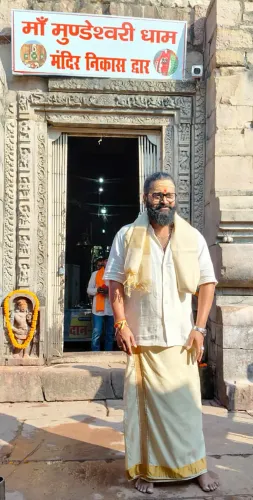
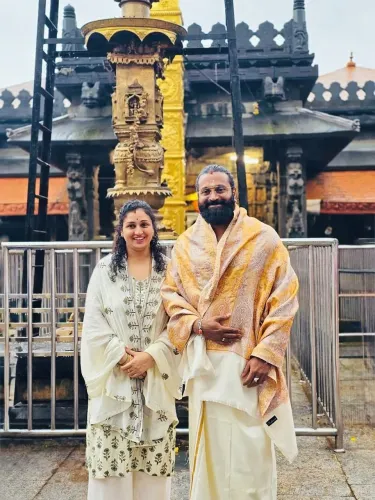
Rishab Shetty visits Sree Padmanabhaswamy Temple, meets Travancore Royal Family
Synopsis
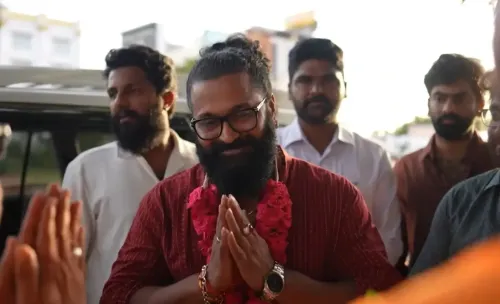
Kantara director Rishab Shetty and wife Pragathi answered a rare personal invitation from the Travancore Royal Family, visiting Thiruvananthapuram to meet royals and seek blessings at the famed Sree Padmanabhaswamy Temple — a visit that feels less like a celebrity outing and more like a natural pilgrimage for a filmmaker whose work is rooted in India's living spiritual traditions.
Key Takeaways
Rishab Shetty and wife Pragathi Shetty visited the Sree Padmanabhaswamy Temple in Thiruvananthapuram on 18 September 2026 .
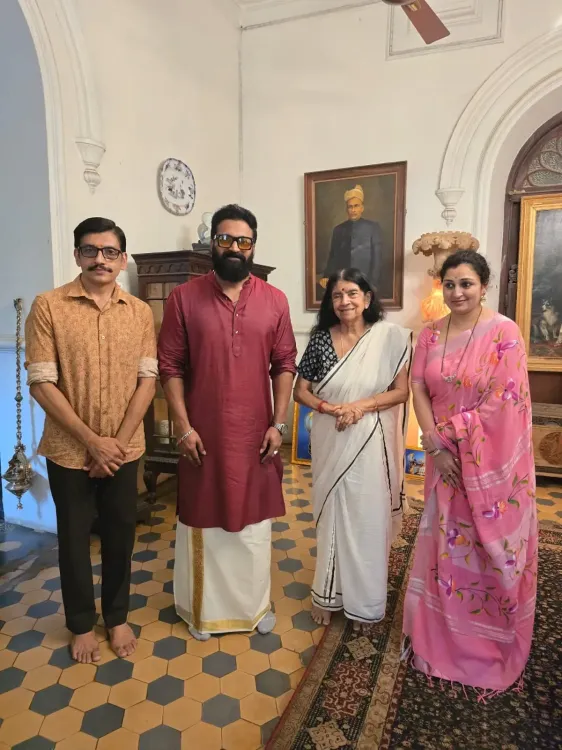
The couple was invited personally by the Travancore Royal Family and received a warm welcome at their residence.
They met Her Highness Padma Shri Dr.
Aswathi Thirunal Gowri Lakshmi Bayi Thampuratty and her sons, Prince Marthanda Varma and Prince Aditya Varma .
Rishab described the visit as 'deeply memorable', highlighting Kerala's significance to him as an artiste.
The visit connects to Rishab's broader creative philosophy — his Kantara franchise is widely recognised for its engagement with Indian faith, folklore, and indigenous traditions.
Rishab Shetty, the filmmaker behind the pan-Indian blockbuster franchise Kantara, and his wife Pragathi Shetty visited the world-renowned Sree Padmanabhaswamy Temple in Thiruvananthapuram, Kerala, offering prayers at the ancient shrine following a special invitation from the Travancore Royal Family. The visit, which took place on 18 September 2026, blended cinema, culture, and spirituality in a rare confluence.
Royal Welcome in Thiruvananthapuram
According to sources close to the actor, the couple received a warm welcome at the residence of the Travancore Royal Family. Rishab and Pragathi met Her Highness Padma Shri Dr. Aswathi Thirunal Gowri Lakshmi Bayi Thampuratty, along with her sons, Prince Marthanda Varma and Prince Aditya Varma. The interaction was described by those close to the filmmaker as a particularly memorable exchange between heritage and contemporary Indian storytelling.
Seeking Blessings at the Temple
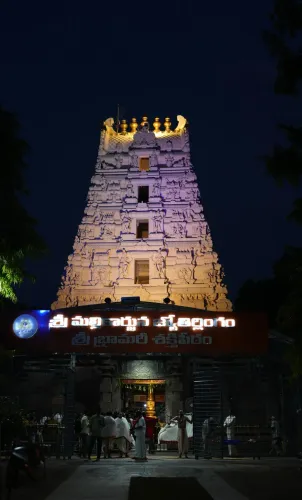
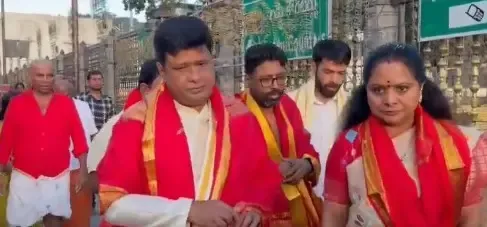
During their time in the Kerala capital, the couple visited the Sree Padmanabhaswamy Temple — one of India's most revered Vaishnavite shrines — where they sought the blessings of Lord Padmanabhaswamy. The temple, managed by the Travancore Royal Family trust, is among the wealthiest and most historically significant temples in the country.
Significance in Rishab's Creative Journey
The visit carries particular weight given Rishab's body of work. His Kantara franchise became a cultural phenomenon for its unflinching portrayal of faith, folklore, nature, and indigenous Tulu traditions, drawing audiences across linguistic boundaries. Notably, this visit appears to be a natural extension of the filmmaker's long-standing engagement with India's living traditions and spiritual heritage beyond the cinema screen.
What Rishab Shetty Said
Speaking about his experience, Rishab said: 'Kerala has always held a special place in my heart, and this visit to Thiruvananthapuram was particularly meaningful. Meeting members of the Travancore Royal Family and seeking blessings at the Sree Padmanabhaswamy Temple was a deeply memorable experience. As an artiste, I have always felt that our traditions, stories and heritage are an important part of who we are, and it is always special to experience and learn from them beyond the world of cinema.'
The encounter underscores a growing conversation in Indian cinema about the relationship between creative storytelling and the country's deep cultural roots — a theme Rishab has consistently championed. With Kantara: Chapter 1 reportedly in development, his immersion in India's heritage traditions is likely to continue shaping his cinematic vision.
Point of View
And being personally invited by the Travancore Royal Family signals a reciprocal recognition from one of India's most storied cultural institutions. What mainstream coverage may miss is the soft-power dimension: as Kantara Chapter 1 looms, moments like these deepen the authenticity narrative that sets Rishab apart from mainstream commercial directors. The question is whether his next film can translate that spiritual immersion into cinema as resonant as its predecessor.
NationPress
18 Sept 2026
Frequently Asked Questions
Why did Rishab Shetty visit the Sree Padmanabhaswamy Temple?
Rishab Shetty visited the Sree Padmanabhaswamy Temple in Thiruvananthapuram on 18 September 2026 following a special personal invitation from the Travancore Royal Family. He and his wife Pragathi sought blessings at the temple as part of the visit.
Who did Rishab Shetty meet from the Travancore Royal Family?
The couple met Her Highness Padma Shri Dr. Aswathi Thirunal Gowri Lakshmi Bayi Thampuratty and her sons, Prince Marthanda Varma and Prince Aditya Varma, at the royal family's residence in Thiruvananthapuram.
What is the significance of the Sree Padmanabhaswamy Temple?
The Sree Padmanabhaswamy Temple in Thiruvananthapuram is one of India's most revered Vaishnavite shrines, managed by the Travancore Royal Family trust, and is among the wealthiest and most historically significant temples in the country.
How does this visit connect to Rishab Shetty's work on Kantara?
Rishab's Kantara franchise drew global attention for its powerful portrayal of indigenous faith, folklore, and tradition. This visit reflects his continued personal engagement with India's spiritual and cultural heritage, which is central to his identity as a filmmaker.
What did Rishab Shetty say about the Kerala visit?
Rishab said Kerala holds a special place in his heart and described the experience as deeply memorable, adding that as an artiste he believes traditions and heritage are an important part of who we are, and that it is always special to experience them beyond cinema.