SC quashes FIRs against Samay Raina, 4 comedians in India's Got Latent case
Synopsis
The Supreme Court has quashed FIRs against Samay Raina and four other comedians from the India's Got Latent controversy — but it isn't closing the file. The bench is now eyeing broader content regulation guidelines for digital platforms, which could reshape how creators handle sensitive subjects involving marginalised communities.
Key Takeaways
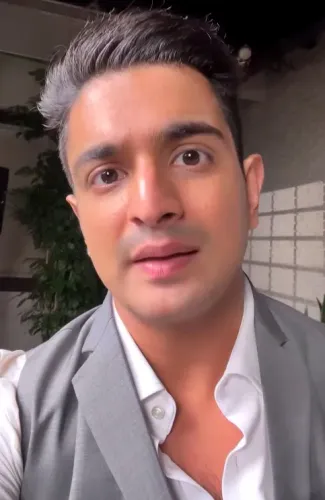
The Supreme Court on 14 August quashed FIRs against comedian Samay Raina and four others over offensive remarks on Persons with Disabilities .
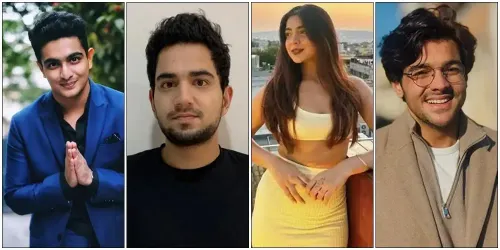
Relief was also granted to Vipul Goyal , Balraj Paramjeet Singh Ghai , Sonali Thakkar , and Nishant Jagdish Tanwar .
The Bench — led by Chief Justice Surya Kant — cited the comedians' compliance with awareness and fundraising directives as grounds for quashing.
The court had previously imposed a cost of ₹3 lakh on the comedians for initially failing to comply with its directions.
The case of podcaster Ranveer Allahbadia (BeerBiceps) remains pending ; he has interim protection from arrest.
The Supreme Court will continue hearing the matter to consider mechanisms to prevent similar offensive content in the future.
The Supreme Court of India on Friday, 14 August quashed the First Information Reports (FIRs) registered against comedian and YouTuber Samay Raina and four other comedians over offensive remarks targeting Persons with Disabilities (PwD) made during an episode of the comedy show 'India's Got Latent'. The order brings to a close the criminal proceedings against five of the accused, though the apex court made clear it would continue examining the broader issue of content regulation.
The Court's Order and Who Got Relief
A three-judge Bench comprising Chief Justice of India Surya Kant, Justice Joymalya Bagchi, and Justice V. Mohan passed the order, noting that the comedians had fulfilled the court's earlier directions by undertaking awareness initiatives and fundraising activities for Persons with Disabilities.
Besides Samay Raina, the relief was extended to comedians Vipul Goyal, Balraj Paramjeet Singh Ghai, Sonali Thakkar (also known as Sonali Aditya Desai), and Nishant Jagdish Tanwar. The Bench formally appreciated their efforts in organising programmes aimed at promoting awareness and supporting the disability community.
Background: What Triggered the FIRs
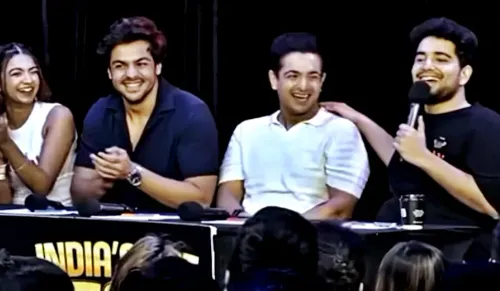
The controversy originated from an episode of 'India's Got Latent' recorded at Khar Habitat on 14 November 2024 and aired subsequently. Multiple participants on the show faced criminal complaints across jurisdictions for allegedly making obscene and insensitive remarks about Persons with Disabilities. The episode drew widespread public criticism and prompted legal action in several states.
Notably, the Supreme Court had last month imposed a cost of ₹3 lakh on the comedians after they initially failed to comply with their earlier undertakings to make amends — a rare judicial rebuke that underscored the seriousness with which the court viewed the matter.
Ranveer Allahbadia's Case Still Pending
Not everyone associated with the episode has received the same relief. Podcaster and content creator Ranveer Allahbadia, popularly known as BeerBiceps, was also named in the cases. His petition seeking relief from criminal proceedings remains pending before the apex court, though he has been granted interim protection from arrest. The court has not yet disposed of his matter.
What the Court Said on Future Content Regulation
The Supreme Court made clear that quashing the FIRs does not close the broader legal question. The Bench indicated it would continue hearing the matter to consider suggestions from Persons with Disabilities and other stakeholders on mechanisms to prevent the dissemination of similar offensive content in the future. The court said it may issue appropriate directions on these wider issues, signalling that a regulatory or advisory framework for digital comedy content could be in the offing.
This case is being watched closely by India's digital content industry, where the line between satire and harmful speech remains legally undefined. The court's forthcoming directions could set a precedent for how platforms and creators handle content involving marginalised communities.
Point of View
And the bench's forthcoming directions could fill that vacuum — or create a chilling effect on creative expression. The Ranveer Allahbadia matter, still pending, will test whether the court's leniency was conditional on compliance or extends more broadly. Either way, this case has already changed how platforms and creators think about content involving Persons with Disabilities.
NationPress
28 Sept 2026
Frequently Asked Questions
Why did the Supreme Court quash the FIRs against Samay Raina?
The Supreme Court quashed the FIRs because the comedians complied with the court's earlier directions by organising awareness programmes and fundraising activities for Persons with Disabilities. The three-judge Bench found their remedial efforts sufficient to warrant closure of the criminal cases.
What was the India's Got Latent controversy about?
The controversy stems from an episode of 'India's Got Latent' recorded at Khar Habitat on 14 November 2024, in which several participants allegedly made obscene and insensitive remarks about Persons with Disabilities. The episode triggered multiple criminal complaints across jurisdictions.
Is Ranveer Allahbadia's case also resolved?
No. Ranveer Allahbadia's petition seeking relief from criminal proceedings remains pending before the Supreme Court. He has been granted interim protection from arrest, but the court has not yet disposed of his matter.
What penalty did the comedians face before the FIRs were quashed?
The Supreme Court had imposed a cost of ₹3 lakh on the comedians last month after they initially failed to comply with their undertakings to make amends. The cost was a formal judicial rebuke before they subsequently fulfilled the court's directions.
Will the Supreme Court issue guidelines on offensive digital content?
Yes, the Supreme Court has indicated it will continue hearing the matter to consider suggestions from Persons with Disabilities and other stakeholders. The Bench said it may issue appropriate directions on mechanisms to prevent the dissemination of similar offensive content in the future.