How Did Shaan Celebrate Mohammed Rafi’s 102nd Birth Anniversary?
Synopsis
Join Shaan as he pays tribute to the legendary Mohammed Rafi on his 102nd birthday with a fun quiz for his sons. Discover how the iconic singer's timeless songs continue to resonate through generations.
Key Takeaways
Shaan's tribute highlights the enduring legacy of Mohammed Rafi.
Engaging younger generations with music fosters appreciation for classics.
Rafi's contributions to Bollywood have left an indelible mark.
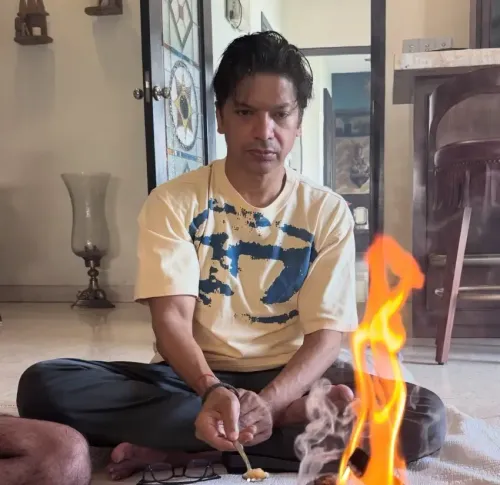
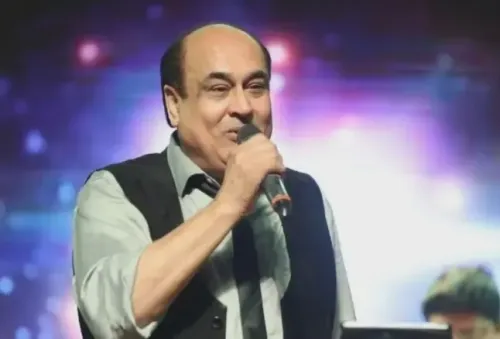
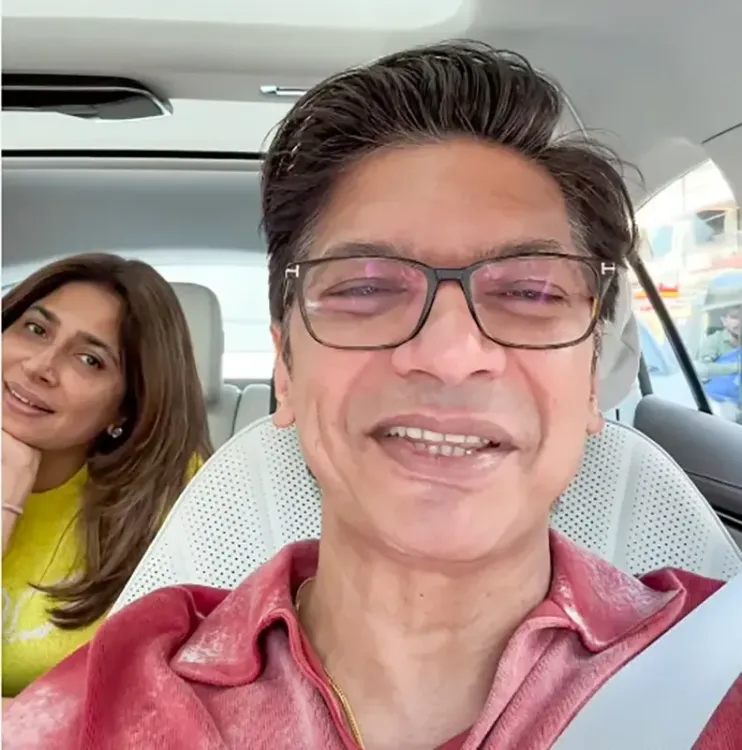
Mumbai, Dec 24 (NationPress) Renowned singer Shaan took to his social media platforms to honor the legendary artist Mohammed Rafi on his 102nd birth anniversary, adding a delightful twist to the celebration.
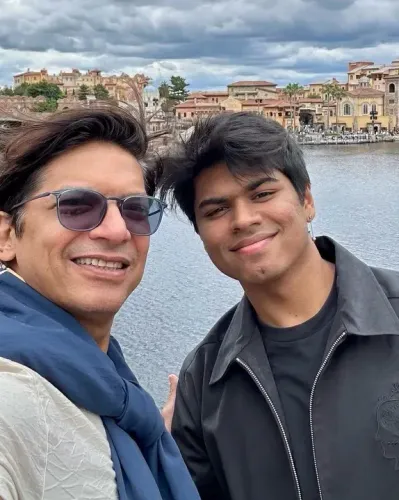
In a video shared online, Shaan engaged his sons in an impromptu quiz focused on Mohammed Rafi. He expressed, “Hello everyone! We are out as a family, and then it struck me that today marks Mohammed Rafi’s birthday. So, I thought, why not test my boys on how many Rafi songs they can name? I was confident they’d know at least five.”
He encouraged them, saying, “Let’s start with the most obvious one! Give it your best shot!” His sons quickly responded with “Chand Mera Dil,” followed closely by “Kya Hua Tera Vaada” and “Ramaiya Vastavaiya.”
Another answer came as “O Haseena,” to which Shaan joyfully added, “Yes, O Haseena Zulfon Wali Jaane Jahan, one of the most timeless Rafi songs!” He commended their selections, stating, “All these are remarkable Rafi tracks.”
As he concluded the tribute, Shaan expressed, “And indeed, a very happy birthday to one of the greatest voices the world has ever known. He will eternally remain an iconic voice in music history.”
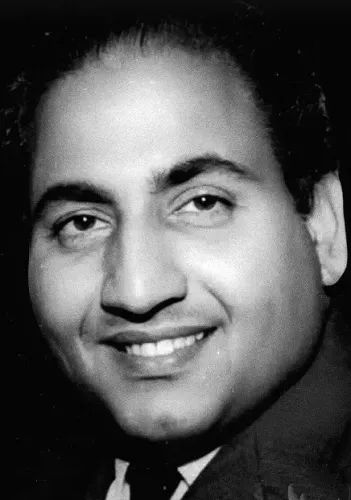
For those who may not know, Mohammed Rafi swiftly became one of the most celebrated playback singers in Indian cinema.
Born on December 24, 1924, in Amritsar, Punjab, Rafi recorded over 5000 songs in Bollywood. He passed away on July 31, 1980, in Mumbai due to a heart attack, leaving the nation in mourning.
Some of his everlasting classics that continue to resonate through generations include Chaudhvin Ka Chand Ho (Chaudhvin Ka Chand, 1960), Aaja Aaja Main Hoon Pyar Tera (Teesri Manzil, 1966), O Haseena Zulfon Wali (Teesri Manzil, 1966), Deewana Hua Baadal (Kashmir Ki Kali, 1964), Baharon Phool Barsao (Suraj, 1966), Dil Ke Jharoke Mein (Brahmachari, 1968), Teri Bindiya Re (Abhimaan, 1973), Main Zindagi Ka Saath Nibhata Chala Gaya (Hum Dono, 1961), Kya Hua Tera Vaada (Hum Kisise Kum Naheen, 1977), and Dafliwale Dafli Baja (Sargam, 1979).
Point of View
I believe it's essential to remember and celebrate the contributions of iconic artists like Mohammed Rafi. Shaan's interactive tribute showcases how music transcends generations, connecting families through shared appreciation for timeless classics.
NationPress
10 Oct 2026
Frequently Asked Questions
Who is Mohammed Rafi?
Mohammed Rafi was a renowned Indian playback singer, celebrated for his extensive contribution to Bollywood music, with over 5000 songs to his name.
When was Mohammed Rafi born?
Mohammed Rafi was born on December 24, 1924, in Amritsar, Punjab.
What are some popular songs by Mohammed Rafi?
Some of his well-known songs include 'Chaudhvin Ka Chand Ho,' 'Kya Hua Tera Vaada,' and 'O Haseena Zulfon Wali.'
When did Mohammed Rafi pass away?
Mohammed Rafi passed away on July 31, 1980, in Mumbai.
How is Mohammed Rafi remembered today?
He is remembered as one of the greatest playback singers in Indian cinema, with a legacy that continues to inspire new generations.