Sona Mohapatra on Peddi row: Toxic masculinity sold as romance in mainstream films

Synopsis
Sona Mohapatra didn’t just critique Peddi — she named a systemic formula. Her video, recorded en route to the Kashish Film Festival, argues that mainstream Indian cinema’s treatment of women isn’t incidental but structural, and that the rare public backlash against Peddi may signal audiences are finally connecting reel misogyny to real-world harm.
Key Takeaways
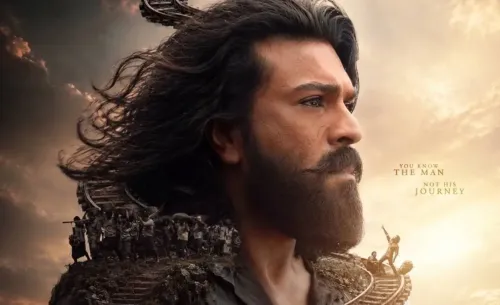
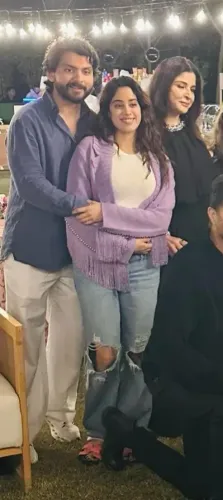
Sona Mohapatra criticised the portrayal of Janhvi Kapoor in Telugu film Peddi , directed by Buchi Babu Sana , on 8 June .
She argued heroines in mainstream Indian films are routinely reduced to ‘decoration to be sexualised and objectified’ while toxic masculinity is framed as romance.
Mohapatra said the public backlash gave her ‘hope and optimism,’ noting filmmakers had reportedly begun signalling that certain scenes would be removed.
She drew a direct link between on-screen portrayals and real-world crimes against women, including stalking, harassment, and domestic violence.
The video was recorded while she was heading to the closing ceremony of the Kashish Film Festival in Mumbai , which this year screened more than 150 films from over 40 countries .
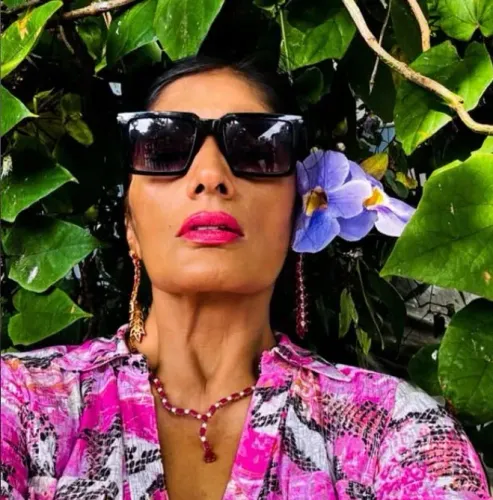
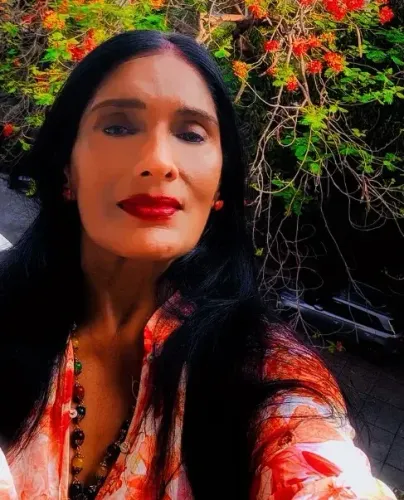
Singer Sona Mohapatra has weighed in on the controversy surrounding Janhvi Kapoor's portrayal in the Telugu film Peddi, arguing that mainstream Indian cinema routinely reduces heroines to “decoration to be sexualised and objectified” while packaging toxic masculinity as romance. Mohapatra shared a video on 8 June recorded while she was en route to the Kashish Film Festival in Mumbai, where she has been a long-time supporter and performer.
What Mohapatra Said About the Peddi Backlash
The singer said the public pushback against Peddi’s portrayal of its female lead had given her “a strange relief.” She noted that the backlash appeared to have rattled filmmakers, with some reportedly giving interviews describing the character as “very innocent” and indicating that certain sections of the film would be removed.
“In the last few days, one thing has given me a strange relief. In our heavily promoted mainstream film, the backlash against the portrayal of the heroine has given me some hope and optimism,” she said. “Seems like it had an impact on some of the filmmakers who are giving interviews that she is very innocent and some sections will be removed.”
The Formula Mohapatra Calls Out
Mohapatra said she has not watched Peddi or its predecessor Pushpa and did not plan to, but argued the template is widely understood. “The hero always lives a dignified life. And the heroine is just an extension of that story. Decoration to be sexualized, objectified. Toxic masculinity is called romance in such films,” she said.
She described a recurring visual grammar — slow-motion shots, strategic camera angles, clothing designed for the male gaze, and loud background scores — that she argued normalises disrespect. “Disrespect becomes swagger,” she said. “And in most cases, misogyny wins at the box office. But this time, something different has happened.”
Connecting Reel Attitudes to Real Crimes
Mohapatra drew a direct line between on-screen portrayals and real-world attitudes toward women, citing stalking, harassment, child sexual abuse, and domestic violence as issues audiences may now be connecting to the films they consume. “I guess people are connecting how such films influence attitudes and behaviours in society,” she said. “Because mostly in our films, it’s the case that it’s not a story. The writers don’t have to pay. No problem. Put in patriarchy. Delete the heroine’s agency from the screenplay.”
She argued that filmmakers lean on patriarchal tropes as a commercial shortcut rather than investing in well-developed female characters, calling it “lazy, short cut, pathetic ideas of filmmaking.”
Kashish Festival as a Counter-Narrative
Recording the video while heading to the closing ceremony of the Kashish Film Festival in Mumbai, Mohapatra contrasted the event with what she described as “bullshit mainstream cinema.” This year’s edition brought together more than 150 films from over 40 countries, celebrating diverse voices and stories. “Kashish is still continuing. Year after year, despite not having these kinds of budgets, star power or machinery,” she said. “Courage and authenticity matter. Because stories about real human beings matter.”
A Note of Hope
Mohapatra ended on a cautiously optimistic note, expressing hope that audiences — “whether they’re queer, straight, young, old, male, female, or anything in between” — will increasingly demand authentic storytelling over fantasy and propaganda. “Maybe we will demand better stories, better women characters,” she said. “And maybe all this is a sign that we are becoming a better society.” The Peddi controversy, centred on director Buchi Babu Sana’s choices, continues to draw scrutiny from commentators across the industry.
Point of View
But it is also the minimum response; the deeper question is whether box-office accountability will outlast the news cycle. Indian cinema’s gender problem is structural, not episodic, and a single controversy rarely rewires incentives. The contrast Mohapatra draws with Kashish — a festival surviving without mainstream budgets or star power — quietly indicts the argument that audiences simply won’t watch anything else.
NationPress
23 Oct 2026
Frequently Asked Questions
What is the Peddi controversy involving Janhvi Kapoor?
The controversy centres on what critics describe as the over-sexualised portrayal of Janhvi Kapoor ’s character in the Telugu film Peddi , directed by Buchi Babu Sana . The backlash prompted filmmakers to reportedly indicate that certain sections of the film would be removed.
What did Sona Mohapatra say about the Peddi backlash?
Mohapatra said the public pushback gave her ‘a strange relief’ and ‘hope and optimism,’ arguing it showed audiences were holding filmmakers accountable. She described the film as following a familiar formula where heroines are reduced to decoration and toxic masculinity is packaged as romance.
How does Sona Mohapatra connect films like Peddi to real-world crimes?
Mohapatra argued that mainstream Indian cinema’s normalisation of stalking, objectification, and disrespect toward women influences societal attitudes and behaviours. She cited everyday crimes — including harassment, child sexual abuse, and domestic violence — as issues audiences may be linking to on-screen portrayals.
What is the Kashish Film Festival that Mohapatra mentioned?
The Kashish Film Festival is a Mumbai -based event celebrating diverse and LGBTQ+ voices in cinema. This year’s edition featured more than 150 films from over 40 countries . Mohapatra has been associated with the festival for years as a performer and supporter.
Has director Buchi Babu Sana responded to the Peddi criticism?
According to Mohapatra’s account, some filmmakers associated with Peddi gave interviews describing the character as ‘very innocent’ and signalling that certain scenes would be cut. NationPress has not independently verified a formal statement from director Buchi Babu Sana at the time of reporting.