Sona Mohapatra on Daler Mehndi controversy: 'Respect is not a one-way entitlement'
Synopsis
Sona Mohapatra's Instagram post isn't just a reaction to the Uttarakhand controversy — it's a rare public reckoning from within the industry. By admitting her own complicit silence at Delhi's Sufi Heritage Festival, she reframes the debate: the real question isn't just about one artist's performance, but about who pays the price when the people closest to a veteran look away.
Key Takeaways
Sona Mohapatra posted a detailed account on Instagram on 21 October 2026 amid the controversy over Daler Mehndi's performance in Uttarakhand .
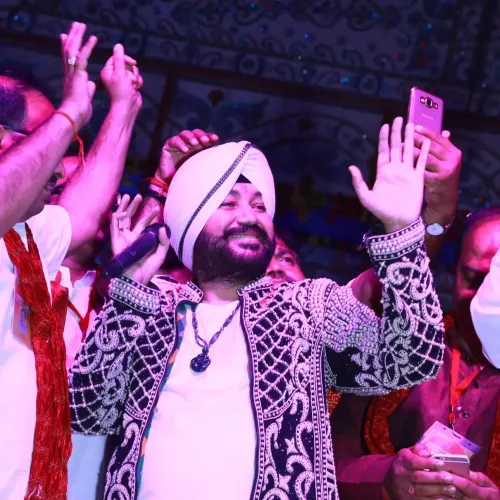
She recounted witnessing Daler Mehndi's set at the Sufi Heritage Festival, Sunder Nursery, Delhi on 1 March 2026 , describing him as appearing 'disoriented' and struggling to hold a note.
Mohapatra said she and her team stayed silent out of respect — but later questioned whether that silence was itself an act of enabling.
She argued that the Uttarakhand debate has centred too much on artist dignity and too little on audience rights and the accountability of those 'accepting substantial professional fees.' Her central message: 'Respect is not a one-way entitlement' — legacy deserves reverence, but not immunity from professional accountability.
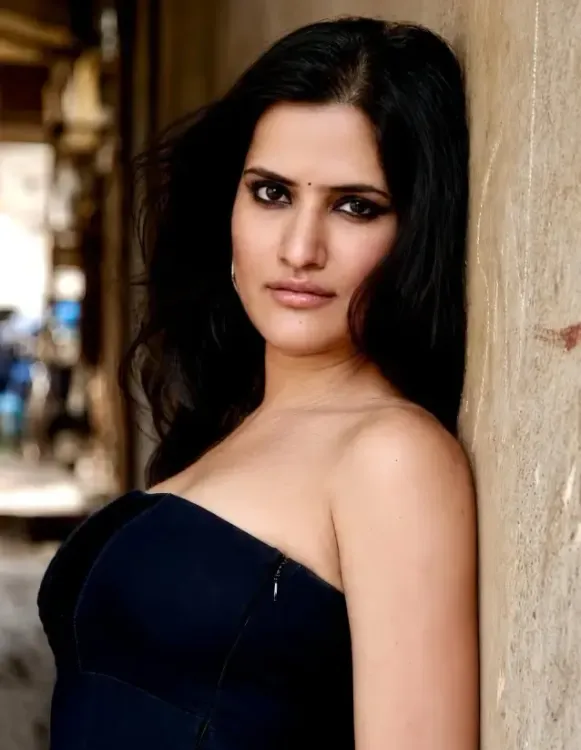
Singer Sona Mohapatra has broken her silence over the ongoing controversy surrounding Daler Mehndi's performance in Uttarakhand, sharing a personal account from a Sufi festival in Delhi in early 2026 that she says raises an uncomfortable question about professional accountability in the performing arts. In a detailed note posted on Instagram on 21 October 2026, Mohapatra argued that audiences — not just artists — are owed respect, and that well-meaning silence can itself become a form of complicity.
What Sona Mohapatra Witnessed at the Sufi Heritage Festival
Mohapatra recounted that she headlined the first evening of the Sufi Heritage Festival at Delhi's Sunder Nursery on 28 February 2026, while Daler Mehndi was scheduled as the closing act the following evening on 1 March. Unusually, she and her team chose to stay an extra night — a rarity for touring artists — because they had been told his set would be a 'very different, Sufi-oriented' performance.
'Artists rarely stay back after their own shows. We are usually on the next flight out,' she wrote, crediting organisers Yasmin and Himanshu for accommodating their request. The anticipation, she said, made what followed all the more difficult to process.
A Performance She Called 'Heartbreaking'
'What unfolded was heartbreaking,' Mohapatra wrote. 'From where we watched, Daler ji appeared disoriented, struggled to hold a note and kept repeating the same musical phrase.' She also described the production as 'deeply disappointing,' noting that audience members — people who had 'paid good money and come with great expectations' — began leaving the venue mid-performance.
Mohapatra said she felt most acutely for the organisers, who had invested 'their resources, reputations and considerable effort into presenting a respected artist.' She added that she had no knowledge of Daler Mehndi's personal circumstances or health, and would not 'presume to diagnose' what she witnessed.
The Silence That Troubled Her Most
What Mohapatra found most troubling was not the performance itself, but the collective silence that followed — including her own. 'Not my team, not me. We stood there, uncomfortable and saddened, but silent. Out of respect,' she wrote, before questioning whether that impulse was truly respectful: 'Was that really respect? Or were we, through our silence, enabling something that deserved to be questioned?'
This introspection forms the core of her post. She argued that reverence for a veteran's legacy does not — and should not — shield them or those around them from professional accountability.
On the Uttarakhand Controversy and Audience Rights
Connecting her personal experience to the wider Uttarakhand controversy, Mohapatra observed that public discourse had focused heavily on the 'indignity suffered by the artist' while largely sidestepping the expectations of the audience and the responsibilities of those 'accepting substantial professional fees.' She was careful not to take a position on whether the minister in Uttarakhand had acted appropriately, but asked: 'Does the manner of his objection automatically invalidate the substance of the complaint?'
She also stressed the need for compassion in cases where an artist is unwell, while drawing a firm line: 'What cannot become acceptable is for audiences and organisers to repeatedly bear the consequences while everyone around the artist looks away.'
Mohapatra's Central Message: Reciprocal Respect
'Respect is not a one-way entitlement. It is a relationship of reciprocity. Age, legacy and stature deserve reverence. They do not exempt any of us from professional accountability,' she wrote. Closing her note with characteristic directness, Mohapatra acknowledged she may face criticism for speaking out, but said she did so 'with sadness, not malice,' and with 'genuine respect for the extraordinary legacy of Daler Mehndi ji.'
The post has reignited a broader conversation about how the Indian entertainment industry handles ageing performers, the role of management and family in safeguarding both artist dignity and audience trust, and whether cultural deference has long suppressed legitimate accountability.
Point of View
Saw what she saw, and said nothing. That admission punctures the comfortable narrative that silence equals respect. The industry's instinct to close ranks around veterans is understandable, even admirable in origin, but it can shade into a systemic failure to protect the very audiences whose ticket sales fund those legacies. What's missing from this debate — and what Mohapatra gestures at without fully naming — is the role of artist management: if those closest to a performer know there is a problem and continue to book shows regardless, the ethical weight shifts substantially to them, not just the artist.
NationPress
21 Oct 2026
Frequently Asked Questions
What did Sona Mohapatra say about the Daler Mehndi controversy?
Sona Mohapatra posted a detailed note on Instagram on 21 October 2026 questioning professional accountability in the performing arts amid the Uttarakhand controversy over Daler Mehndi's performance. She argued that 'respect is not a one-way entitlement' and that audiences deserve as much consideration as the artists they come to see.
What did Sona Mohapatra witness at the Sufi Heritage Festival in Delhi?
Mohapatra said she attended Daler Mehndi's closing performance at the Sufi Heritage Festival at Delhi's Sunder Nursery on 1 March 2026 and found it 'heartbreaking.' She wrote that he appeared 'disoriented, struggled to hold a note and kept repeating the same musical phrase,' and that audience members gradually began leaving the venue.
Why does Sona Mohapatra say she initially stayed silent?
Mohapatra said she and her team remained silent 'out of respect' for a veteran artist. However, she later questioned whether that impulse was genuinely respectful or whether it amounted to enabling a situation that deserved scrutiny, calling it 'the uncomfortable part' of her reflection.
What is the Daler Mehndi Uttarakhand performance controversy about?
The controversy relates to a performance by veteran singer Daler Mehndi in Uttarakhand that drew public criticism, reportedly including objections from a local minister. The incident sparked debate about artist dignity versus audience rights and professional accountability. Sona Mohapatra's post has added a new dimension to that conversation.
Who does Sona Mohapatra hold responsible for such situations?
Mohapatra did not name any specific individual as responsible but pointed to the broader circle around an artist — management, family, and representatives — suggesting that if they have advance knowledge of difficulties and continue to book engagements, both the audience and the organisers end up bearing the consequences. She was clear that publicly humiliating an artist is not the answer, but that looking away is not an acceptable alternative either.