BMC warns Mumbai of leptospirosis risk, urges action within 72 hours
Synopsis
Mumbai's civic body has flagged a narrow 24-to-72-hour window for preventive medication after exposure to floodwater — a detail most residents don't know. With waterlogging widespread this monsoon and Leptospira bacteria thriving in contaminated mud, the BMC's advisory is a timely reminder that a minor scratch in a puddle can turn life-threatening without prompt medical attention.
Key Takeaways
The BMC issued a leptospirosis advisory on 9 July amid heavy monsoon rainfall and widespread waterlogging in Mumbai .
Residents exposed to rainwater or mud must consult a doctor and take preventive medication within 24 to 72 hours .
Leptospira bacteria (spirochaetes) can enter the body through cuts, wounds, or minor scratches on the skin.
Citizens are advised to wear rubber boots , wash feet with soap after water contact, and avoid self-medication for monsoon fever.
Free consultations and preventive medicines are available at Hindu Hruday Samrat Balasaheb Thackeray Clinics , BMC dispensaries, and municipal hospitals.
The Brihanmumbai Municipal Corporation (BMC) on Thursday, 9 July issued a public health advisory urging Mumbai residents to take immediate preventive measures against leptospirosis, warning that contact with rainwater or mud through open wounds, cuts, or even minor scratches can cause life-threatening infection during the ongoing monsoon season. The civic body's Public Health Department stressed that anyone exposed to stagnant or slow-moving water must consult a doctor and begin preventive medication within a critical 24 to 72-hour window.
Why Mumbai Is at High Risk This Monsoon
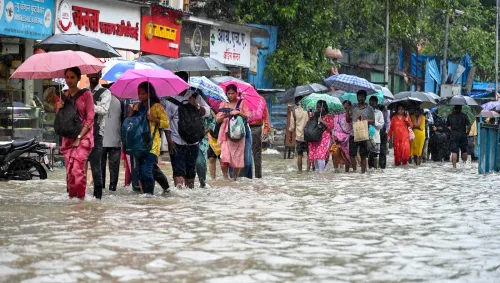
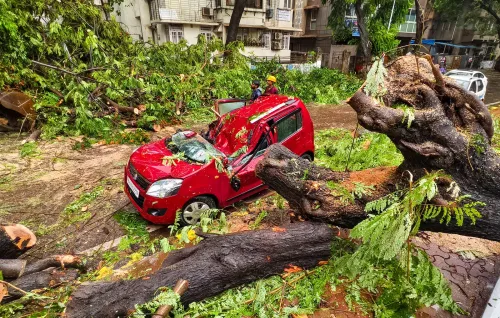
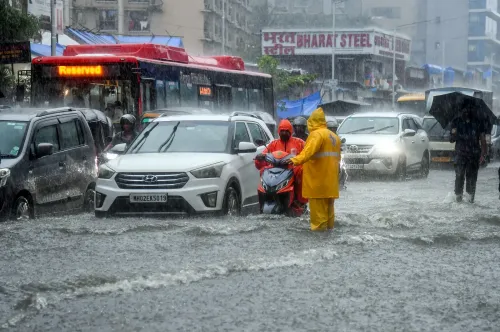
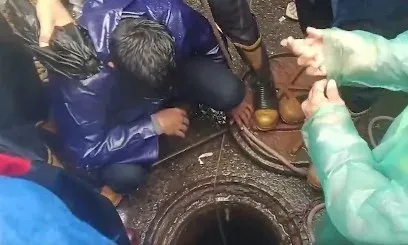
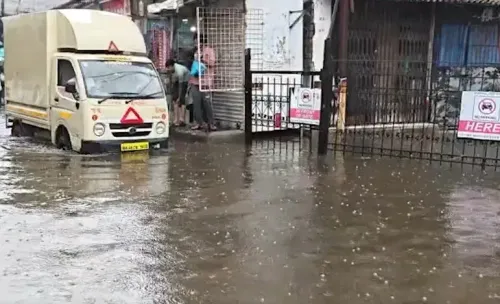
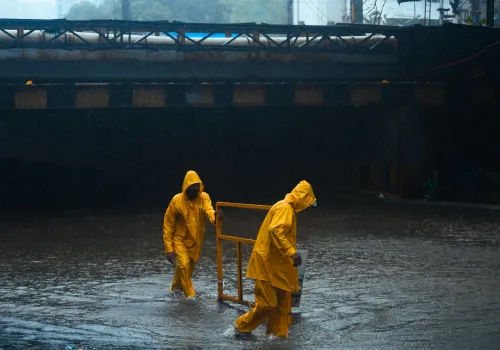
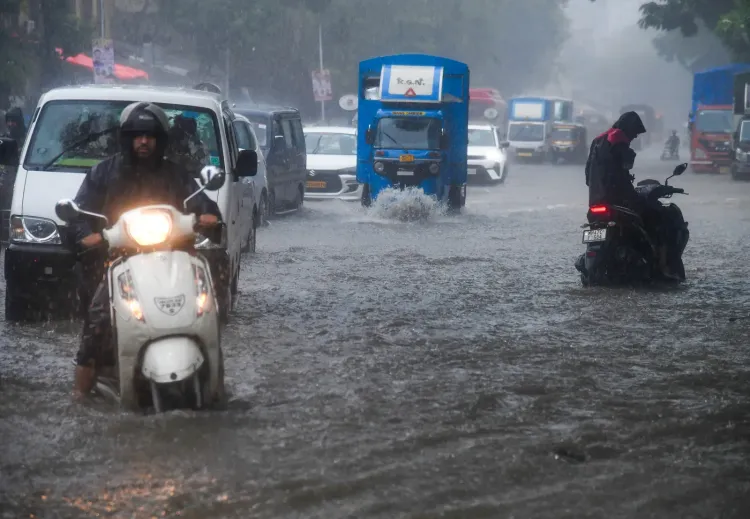
Mumbai has recorded heavy rainfall over the past several days, triggering widespread waterlogging across the city. Stagnant floodwater mixed with contaminated mud can carry Leptospira bacteria (spirochaetes) — the pathogen responsible for leptospirosis. These bacteria are capable of entering the human body through even the smallest skin abrasion, making residents who wade through flooded streets particularly vulnerable.
The BMC cautioned that leptospirosis, if left undiagnosed or untreated, can escalate rapidly and become fatal. The disease typically presents with fever, which residents are being urged not to dismiss as a common monsoon ailment.
What the BMC Advisory Says
The advisory from the Public Health Department outlines several key precautions. Citizens with cuts or wounds on their feet are advised to avoid walking through stagnant water entirely. Where avoidance is not possible, rubber boots or protective footwear are strongly recommended. After any contact with rainwater, residents should wash their feet thoroughly with soap and clean water and dry them completely.
The BMC has also asked residents not to self-medicate if they develop fever during the monsoon, as it may indicate leptospirosis, dengue, or malaria — conditions that require medical diagnosis and appropriate treatment.
Free Treatment Available at BMC Facilities
The civic body has directed residents to visit Hindu Hruday Samrat Balasaheb Thackeray Clinics, BMC dispensaries, local health centres, and municipal hospitals, where medical consultations, health check-ups, and preventive medicines are being provided free of cost. The emphasis on accessible, no-cost care reflects the BMC's recognition that delayed treatment significantly raises the risk of severe outcomes.
Spread Awareness, Not the Disease
Beyond individual precautions, the BMC has called on citizens to actively spread awareness about leptospirosis among family members, friends, and neighbours. Early preventive treatment remains the most effective tool against the disease, the advisory noted, particularly given that the window for prophylactic medication is narrow — just 24 to 72 hours after exposure.
With the monsoon season still far from over, health authorities are expected to continue monitoring leptospirosis cases closely across Mumbai's flood-prone localities.
Point of View
Yet awareness of leptospirosis's narrow treatment window remains low. Issuing advisories is necessary but insufficient — the civic body's longer accountability lies in reducing the waterlogging that creates the exposure in the first place. Until drainage infrastructure catches up, public health campaigns will be fighting a seasonal battle that engineering should be solving.
NationPress
9 Jul 2026
Frequently Asked Questions
What is leptospirosis and how does it spread in Mumbai during monsoon?
Leptospirosis is a bacterial infection caused by Leptospira (spirochaetes) found in water or mud contaminated by animal urine. During Mumbai's monsoon, floodwater mixed with contaminated mud creates high-risk conditions, and the bacteria can enter the body through cuts, wounds, or minor skin abrasions.
What should I do if I have walked through floodwater in Mumbai?
The BMC advises consulting a doctor immediately and taking preventive medication within 24 to 72 hours of exposure. Do not wait for symptoms to appear, as early prophylactic treatment is significantly more effective than delayed intervention.
Where can Mumbai residents get free leptospirosis treatment?
Free medical consultations, health check-ups, and preventive medicines are available at Hindu Hruday Samrat Balasaheb Thackeray Clinics , BMC dispensaries, local health centres, and municipal hospitals across Mumbai.
What are the symptoms of leptospirosis to watch out for?
Fever is the most common early symptom and should not be ignored during the monsoon, as it may indicate leptospirosis, dengue, or malaria. The BMC urges residents to seek medical attention rather than self-medicate if fever or related symptoms appear.
How can I protect myself from leptospirosis during Mumbai monsoon?
Avoid walking through stagnant water if you have cuts or wounds. If unavoidable, wear rubber boots or protective footwear. After any contact with rainwater, wash your feet thoroughly with soap and clean water and dry them properly. Seek medical advice promptly if exposed.