Gujarat CM Bhupendra Patel at HEMATOCon-2026: Coordinate to fight blood disorders
Synopsis
More than 2,500 haematology experts from over a dozen countries converged in Ahmedabad for HEMATOCon-2026, where Gujarat CM Bhupendra Patel urged stronger coordination across blood banks, researchers, and clinicians — and revealed the state has doubled Ayushman Bharat coverage to ₹10 lakh per family — signalling a push to move India's blood disorder response from reactive treatment to proactive screening.
Key Takeaways
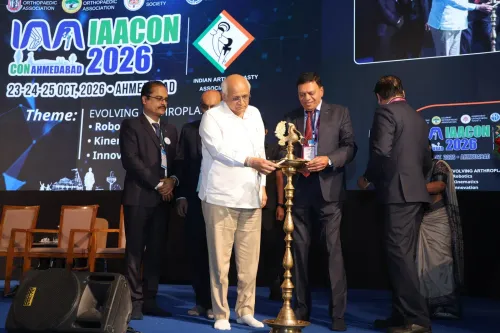
Gujarat CM Bhupendra Patel inaugurated the 67th ISHBT National Conference (HEMATOCon-2026) in Ahmedabad on 14 November 2026 .
Patel stressed coordinated action across medical experts, researchers, voluntary organisations, and blood banks to combat thalassaemia , sickle cell anaemia , haemophilia , and blood cancer .
Gujarat has enhanced Ayushman Bharat coverage from ₹5 lakh to ₹10 lakh per family by adding a state-funded ₹5 lakh top-up.
The Centre's e-RaktKosh platform was highlighted as a key digital tool for real-time blood availability tracking.
More than 2,500 delegates from India and 14+ countries are participating in the four-day conference.
Conference agenda spans precision medicine , stem cell transplantation , immunotherapy , and public awareness on ITP , leukaemia , and anaemia .
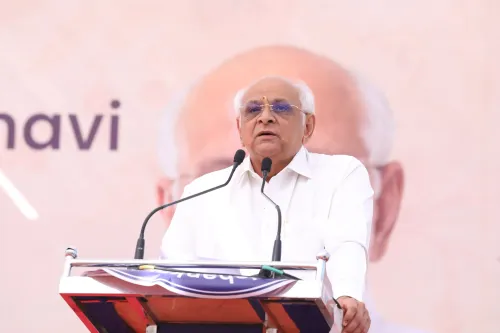
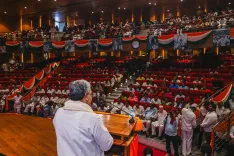
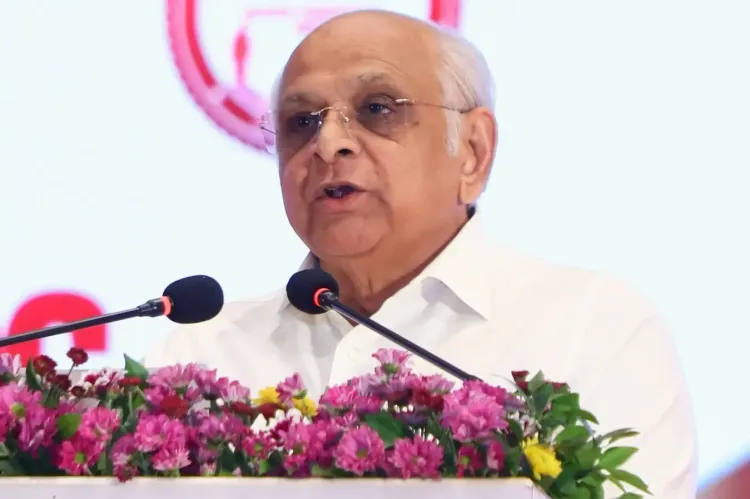
Gujarat Chief Minister Bhupendra Patel on Saturday, 14 November 2026, called for deeper coordination among medical experts, researchers, voluntary organisations, and blood banks to strengthen early diagnosis and treatment of blood disorders — including thalassaemia, sickle cell anaemia, haemophilia, and blood cancer — at the 67th National Conference of the Indian Society of Haematology and Blood Transfusion (ISHBT), held in Ahmedabad.
Conference Inauguration and Key Message
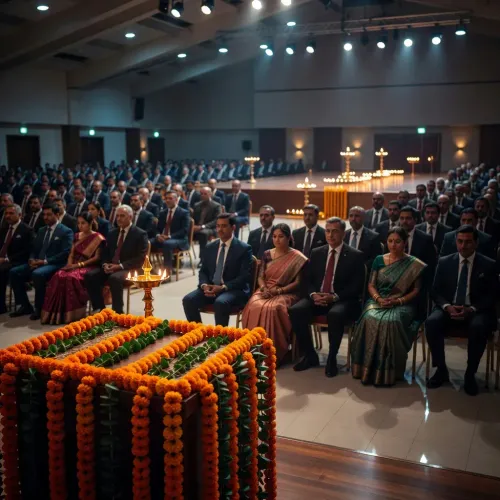
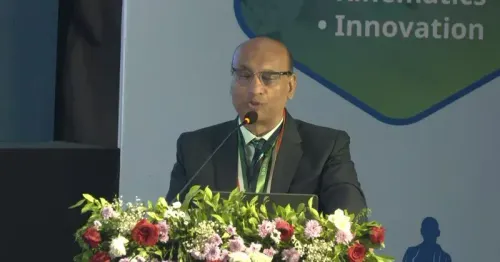
Inaugurating HEMATOCon-2026, Patel described the gathering as more than a medical or academic event. 'It provided a platform to bring together knowledge, science, research and compassion for the protection of human life,' he said. He welcomed haematologists, researchers, and specialists from India and several countries, and extended Diwali greetings to the delegates.
Patel underlined that coordinated efforts — spanning early diagnosis, genetic counselling, and research — are essential if society is to effectively combat serious blood-related diseases. 'The role of doctors and specialists in the field of haematology is akin to that of angels for society,' he said, emphasising their responsibility in helping patients identify and tackle disorders at an early stage.
Blood Donation, Public Health, and State Initiatives
The Chief Minister also called for greater public participation in blood donation, describing it as 'an invaluable gift of life and the highest form of humanitarian service.' He said, 'Blood flowing through the human body is not merely a fluid, but an invaluable element that sustains the rhythm of life, energy and human existence.'
Patel pointed to the Gujarat government's enhanced health coverage under Ayushman Bharat, noting that the state has added an additional ₹5 lakh to the existing ₹5 lakh central coverage, taking total health protection per family to ₹10 lakh. He also cited initiatives such as natural farming, yoga, pranayama, Mission LiFE, and the Fit India Movement as contributors to healthier lifestyles. Referring to Prime Minister Narendra Modi's vision of 'Viksit Bharat @2047', Patel said healthy citizens are the nation's greatest asset.
Technology and Medical Advances Highlighted
Patel drew attention to the Centre's e-RaktKosh digital platform, crediting it with making blood availability information accessible through a single portal for patients and families in need. He also highlighted advances in bone marrow transplantation, stem cell therapy, and immunotherapy as new avenues of hope for patients with serious blood disorders. The state government, he said, is specifically focused on early screening of thalassaemia and sickle cell anaemia, coordination between government and private blood banks for safe blood supply, and promotion of haematology research at medical colleges.
Scale and Scope of HEMATOCon-2026
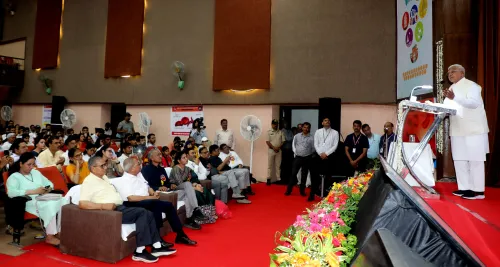
The conference has drawn more than 2,500 delegates, including leading haematologists, haemato-oncologists, medical oncologists, bone marrow transplant physicians, pathologists, researchers, faculty members, and postgraduate students. International participation spans countries such as the United States, the United Kingdom, Germany, France, Spain, Australia, Singapore, Malaysia, Bangladesh, Sri Lanka, Japan, Taiwan, China, and South Korea.
The agenda covers developments in blood disorder diagnosis and treatment, blood cancers, stem cell transplantation, cellular therapy, immunotherapy, and precision medicine. It also aims to raise public awareness about sickle cell disease, thalassaemia, haemophilia, anaemia, leukaemia, other blood cancers, and immune thrombocytopenia (ITP). The conference also saw the unveiling of the ISHBT's official souvenir. Outcomes from the deliberations are expected to inform both state health policy and clinical practice guidelines going forward.
Point of View
Which disproportionately burden tribal and low-income populations. The doubling of Ayushman Bharat coverage in Gujarat is a meaningful signal, but the gap between headline coverage and actual hospital access remains a persistent challenge in tier-2 and rural areas. With over 2,500 specialists in the room and international delegations present, the conference carries real policy weight — but translating conference resolutions into district-level blood bank coordination will be the harder test. India's haemoglobinopathy burden is among the highest globally, and no amount of digital platforms or scheme announcements substitutes for trained genetic counsellors at the primary health centre level.
NationPress
14 Nov 2026
Frequently Asked Questions
What is HEMATOCon-2026?
HEMATOCon-2026 is the 67th National Conference of the Indian Society of Haematology and Blood Transfusion (ISHBT), held in Ahmedabad from 14 November 2026. It brings together more than 2,500 specialists from India and over a dozen countries to discuss advances in blood disorder diagnosis, treatment, and research.
What did Gujarat CM Bhupendra Patel announce at the conference?
Chief Minister Bhupendra Patel called for stronger coordination among medical experts, blood banks, researchers, and voluntary organisations to improve early diagnosis of blood disorders. He also highlighted that Gujarat has topped up Ayushman Bharat coverage to ₹10 lakh per family by adding a state-funded ₹5 lakh over the central ₹5 lakh cover.
Which blood disorders does the conference focus on?
The conference addresses thalassaemia, sickle cell anaemia, haemophilia, anaemia, leukaemia, other blood cancers, and immune thrombocytopenia (ITP). It also covers stem cell transplantation, immunotherapy, and precision medicine in haematology.
What is the e-RaktKosh platform mentioned at HEMATOCon-2026?
e-RaktKosh is a central government digital platform that provides real-time information on blood availability across blood banks, allowing patients and families to locate required blood from a single portal. Chief Minister Patel cited it as a key technology tool in improving blood access across India.
Who is participating in HEMATOCon-2026?
More than 2,500 delegates are attending, including haematologists, haemato-oncologists, bone marrow transplant physicians, pathologists, and postgraduate students. International participants are present from countries including the United States, the United Kingdom, Germany, Australia, Japan, China, and South Korea, among others.