Ahmedabad Civil Hospital delivers ₹17 crore free haemophilia care to 669 patients in 2025-26
Synopsis
Gujarat's Ahmedabad Civil Hospital quietly delivered one of the country's most comprehensive free haemophilia programmes in 2025-26 — ₹17 crore worth of specialised clotting factor injections to 669 patients at zero personal cost. Backed by bulk state procurement through GMERSCL, the initiative offers a replicable model for rare-disease access across India.
Key Takeaways
Ahmedabad Civil Hospital provided free haemophilia treatment worth over ₹17 crore to 669 patients in the 2025-26 financial year .
Treatment included 2,095 Factor VIII , 1,100 Factor IX , 397 Factor VII , 626 FEIBA , and 243 Emicizumab injections, among others.
Clotting factor injections are procured in bulk by the state through GMERSCL and distributed free across government hospitals in Gujarat .
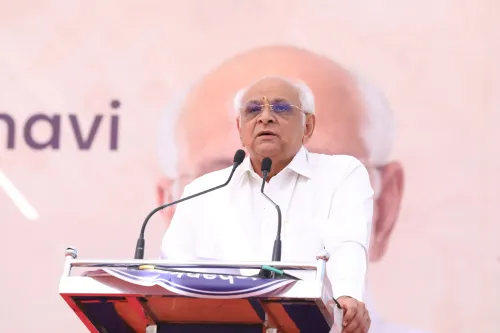
The programme is part of a wider Gujarat government initiative under Chief Minister Bhupendra Patel to reduce medical costs for poor and middle-class families.
Medical Superintendent Dr Rakesh Joshi confirmed that no patient paid out of pocket, crediting state financial support for saving hundreds of lives.
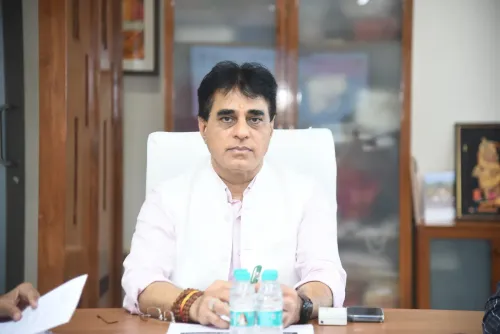
Ahmedabad Civil Hospital provided free haemophilia treatment valued at more than ₹17 crore to 669 patients during the 2025-26 financial year, Gujarat Health Minister Praful Pansheriya announced, calling the initiative a direct reflection of the state government's commitment to life-saving care for those afflicted by the rare bleeding disorder. The programme, backed by bulk procurement of costly clotting factor injections, ensured that not a single patient paid out of pocket.
Scale of the Programme
According to Ahmedabad Civil Hospital Medical Superintendent Dr Rakesh Joshi, the treatment delivered during 2025-26 included a detailed breakdown of specialised therapies. The hospital administered 2,095 Factor VIII injections, 1,100 Factor IX injections, 397 Factor VII injections, 103 Factor IX inhibitor treatments, 278 Factor VIII inhibitor treatments, 626 FEIBA injections, and 243 Emicizumab injections — all at no cost to patients.
'The exact factor that is lacking in a patient's body is administered directly in the form of an injection. These injections are a highly effective treatment for controlling bleeding in haemophilia patients and saving their lives,' Dr Joshi said.
How the Government Is Funding It
Minister Pansheriya explained that the state, under Chief Minister Bhupendra Patel, has procured the expensive clotting factor injections in bulk through GMERSCL (Gujarat Medical Education and Research Services Corporation Limited), significantly reducing per-unit costs. The free supply extends beyond Ahmedabad to government hospitals across Gujarat, covering patients who would otherwise be unable to afford treatment.
'The clotting factor injections required by haemophilia patients are extremely expensive, and many ordinary and economically weaker patients cannot afford them. Understanding this financial hardship, the government has procured these costly injections in bulk,' Pansheriya said.
What Is Haemophilia
Haemophilia is a rare inherited genetic disorder caused by a deficiency of clotting factors VII, VIII, or IX — proteins essential for blood coagulation. Patients with this condition face prolonged or spontaneous internal and external bleeding even after minor injuries. Without timely administration of clotting factor injections, complications can be life-threatening.
Impact on Patients and Families
Dr Joshi credited the state government's financial support for enabling uninterrupted access to care. 'The financial support and sensitive approach of the state government have ensured that all patients at Civil Hospital receive this expensive treatment without spending a single rupee. As a result, we have succeeded in saving hundreds of lives,' he said.
This comes amid a broader push by the Gujarat government to reduce the medical expenditure burden on poor and middle-class families. The haemophilia programme is among several targeted health interventions designed to address high-cost rare diseases that fall outside the reach of routine insurance or personal savings. With treatment now institutionalised through bulk procurement and hospital-level distribution, the model could serve as a template for other states grappling with similar rare-disease access gaps.
Point of View
Which the announcement does not address, is whether the programme has a waiting list and whether the 669 patients represent the full diagnosed population in Gujarat or only those who reached Civil Hospital. Rare disease registries in India remain patchy, meaning the real unmet need is likely larger than what any single hospital programme can capture.
NationPress
28 Sept 2026
Frequently Asked Questions
What haemophilia treatment did Ahmedabad Civil Hospital provide for free in 2025-26?
Ahmedabad Civil Hospital administered specialised clotting factor injections — including Factor VII, VIII, IX, FEIBA, and Emicizumab — worth over ₹17 crore to 669 haemophilia patients during the 2025-26 financial year, entirely free of charge. The treatment was funded and procured by the Gujarat government through GMERSCL.
What is haemophilia and why is its treatment so expensive?
Haemophilia is a rare inherited disorder caused by a deficiency of blood-clotting proteins (factors VII, VIII, or IX), leading to prolonged or spontaneous bleeding. The clotting factor injections needed to manage the condition are manufactured through complex biological processes, making them among the costliest therapies available, often unaffordable for ordinary families without government support.
Who is eligible for free haemophilia treatment under the Gujarat government scheme?
Haemophilia patients treated at Ahmedabad Civil Hospital and other government hospitals across Gujarat are eligible for free clotting factor injections under the state scheme. The programme targets poor and middle-class families who cannot afford the injections at market rates.
How does the Gujarat government keep costs down for this programme?
The state procures clotting factor injections in bulk through GMERSCL (Gujarat Medical Education and Research Services Corporation Limited), which significantly reduces per-unit costs compared to retail procurement. This bulk-buying model allows the government to supply expensive therapies across multiple hospitals at scale.
What did Dr Rakesh Joshi say about the programme's impact?
Ahmedabad Civil Hospital Medical Superintendent Dr Rakesh Joshi confirmed that all patients received treatment without spending a single rupee, and credited the state government's financial support for enabling the hospital to save hundreds of lives during the year.