India rising as top global disaster responder, from Nepal to Venezuela
Synopsis
From the 2004 tsunami to a C-17 airlift to Venezuela in June 2026, India's humanitarian reach has grown from regional responder to global first responder. A Jerusalem Post analysis by former ambassador Suchitra Duri maps two decades of HADR missions — and raises the question of whether India's soft-power diplomacy is now as consequential as its hard-power posture.
Key Takeaways
India is increasingly recognised as a leading global first responder to natural disasters, according to an analysis in The Jerusalem Post by former ambassador Suchitra Duri .
The 2004 Indian Ocean tsunami is identified as the turning point that matured India's HADR institutional capacity.
On 26 June 2026 , India airlifted 30 tonnes of relief materials and a 41-member team to earthquake-hit Venezuela — its most ambitious HADR mission to date.
Past major operations include Operation Neer (Maldives, 2014), Operation Maitri (Nepal, 2015), Operation Dost (Turkey and Syria, 2023), Operation Brahma (Myanmar, 2025), and Operation Sagar Bandhu (Sri Lanka, 2025).
India supplied 300 million vaccine doses to 99 countries under Vaccine Maitri from January 2021 .
India has also contributed to building a global tsunami warning system and co-founded the Coalition for Disaster Resilient Infrastructure (CDRI) .
India has steadily emerged as one of the world's foremost first responders to natural disasters, extending rapid humanitarian assistance far beyond its immediate neighbourhood — from earthquake-hit Nepal and Turkey to cyclone-struck Mozambique and, most recently, Venezuela, according to an analysis published in The Jerusalem Post. The assessment, authored by former Indian ambassador to Thailand and Kenya Suchitra Duri, charts the evolution of India's Humanitarian Assistance and Disaster Relief (HADR) capabilities over two decades.
A Turning Point: The 2004 Tsunami
Duri identifies the 2004 Indian Ocean tsunami as the inflection point that signalled India's coming of age as a humanitarian power. The disaster prompted a significant scaling-up of India's HADR institutional capacity, laying the groundwork for a series of increasingly complex international relief missions in the years that followed.
Key Operations That Defined India's HADR Record
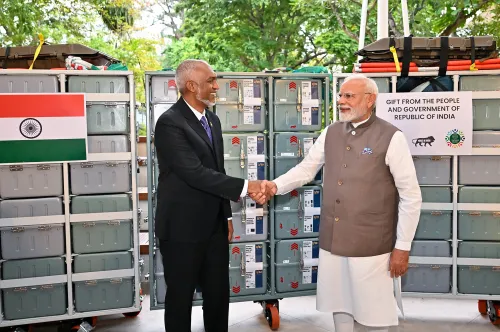
Among the missions highlighted is Operation Neer, launched in December 2014 after the Maldives' sole desalination plant failed. Indian aircraft and naval ships worked continuously to deliver over 1,500 tonnes of drinking water, making India the first country to respond to the island nation's emergency call.
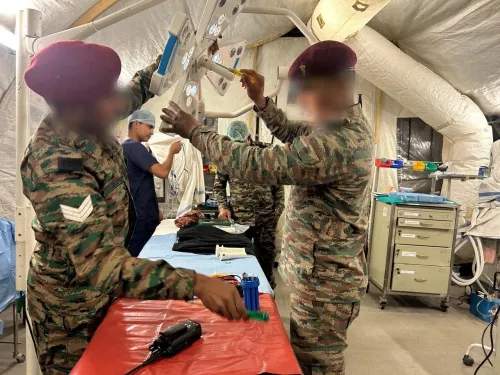
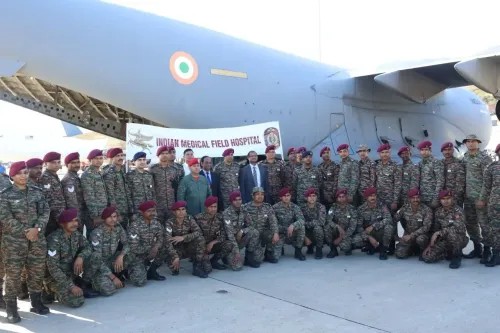
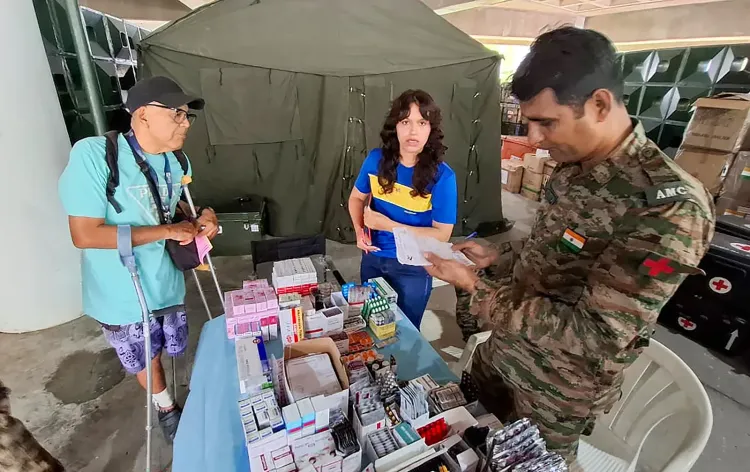
When a catastrophic earthquake struck Nepal in April 2015, India mobilised Operation Maitri within six hours of the initial tremors. The mission covered aerial and ground evacuation of stranded Indians and foreign nationals, delivery of hundreds of tonnes of essential supplies, and the establishment of field hospitals. Once the relief phase concluded, India committed a major rehabilitation and reconstruction package of around $2 billion for Nepal.
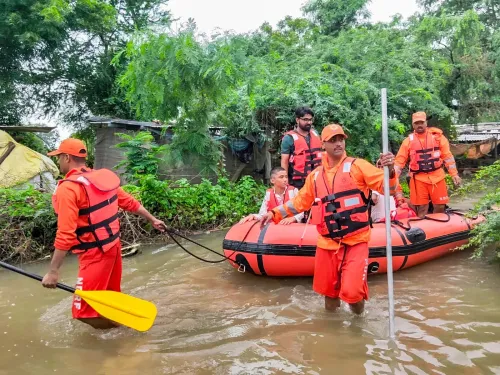
In 2023, when Turkey and Syria were devastated by earthquakes, India launched Operation Dost, dispatching more than 250 search and rescue personnel, medical teams, dog squads, and emergency materials to both countries. The operation was noted for its speed and scale relative to India's geographic distance from the affected region.
More recently, in 2025, India conducted Operation Brahma in earthquake-hit Myanmar and Operation Sagar Bandhu in Sri Lanka following Cyclone Ditwah. The Myanmar mission involved a large tri-services and National Disaster Response Force (NDRF) deployment, supplying over 750 tonnes of materials including medicines and food aid. In Sri Lanka, India provided food, equipment, medicines, and over 1,000 tonnes of dry rations.
Venezuela: India's Most Ambitious HADR Mission Yet
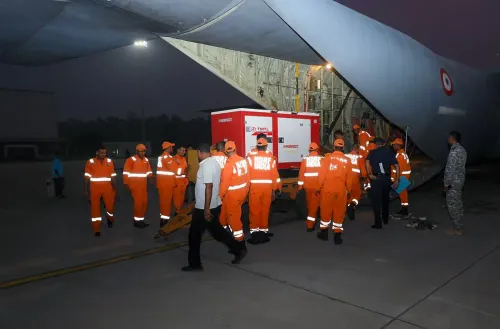
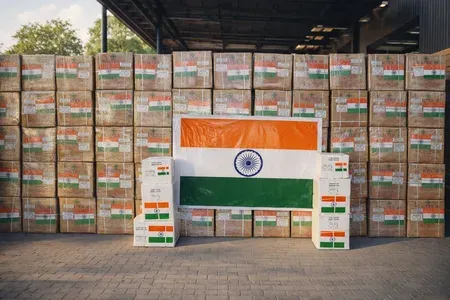
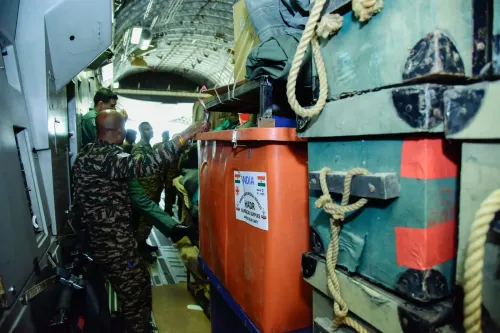
On 26 June 2026, India undertook what Duri describes as its most ambitious HADR initiative to date, airlifting 30 tonnes of humanitarian relief materials aboard two C-17 aircraft to earthquake-hit Venezuela. The mission included a 41-member team of experienced rescue personnel and medical professionals — one of India's longest-range humanitarian aid flights on record.
Beyond Relief: Vaccine Maitri and Disaster Resilience Architecture
India's humanitarian footprint extends beyond disaster response. Under the Vaccine Maitri initiative, India supplied 300 million vaccine doses to 99 countries and two UN entities from January 2021 during the Covid-19 pandemic, alongside essential medicines and medical support.
Duri also notes India's proactive role in building global resilience infrastructure, including contributions to an international tsunami warning system and the establishment of the Coalition for Disaster Resilient Infrastructure (CDRI). 'By providing need-based and rapid assistance during emergencies, and through its efforts to develop capacities for mutual benefit, India is seen as a reliable first responder and a force for global good,' she wrote.
As India's HADR footprint continues to expand across continents, the strategic and diplomatic dimensions of its humanitarian role are drawing increasing international attention.
Point of View
But the Venezuela mission marks a qualitative shift — projecting relief capacity across hemispheres, not just the Indo-Pacific neighbourhood. What mainstream coverage underplays is the strategic calculus embedded in each operation: every Operation Dost or Operation Maitri is also a diplomatic signal, building goodwill in regions where India competes for influence with China's own aid architecture. The real measure of India's 'force for global good' framing will be whether it translates into durable multilateral partnerships — or remains a series of well-executed but episodic gestures.
NationPress
1 Oct 2026
Frequently Asked Questions
What is India's HADR capability and why is it significant?
India's Humanitarian Assistance and Disaster Relief (HADR) capability refers to its military, civilian, and institutional capacity to deliver emergency aid, rescue operations, and reconstruction support during natural disasters abroad. It is significant because India has evolved from a regional responder into a global first responder, conducting missions across Asia, Africa, the Middle East, and now Latin America.
What was India's most ambitious disaster relief mission in 2026?
On 26 June 2026, India airlifted 30 tonnes of humanitarian relief materials and a 41-member team of rescue and medical personnel aboard two C-17 aircraft to earthquake-hit Venezuela — described as India's most ambitious HADR initiative to date and one of its longest-range humanitarian aid flights.
What were Operation Brahma and Operation Sagar Bandhu?
Operation Brahma was India's disaster relief mission to earthquake-hit Myanmar in 2025, involving a tri-services and NDRF deployment that supplied over 750 tonnes of materials including medicines and food aid. Operation Sagar Bandhu was India's relief mission to Sri Lanka following Cyclone Ditwah in 2025, during which India supplied food, equipment, medicines, and over 1,000 tonnes of dry rations.
How many vaccine doses did India supply under Vaccine Maitri?
India supplied 300 million vaccine doses to 99 countries and two UN entities under the Vaccine Maitri initiative from January 2021 during the Covid-19 pandemic, along with essential medicines and medical support.
Which global resilience institutions has India helped establish?
India has contributed to the development of an international tsunami warning system and co-founded the Coalition for Disaster Resilient Infrastructure (CDRI), reflecting its proactive role in building long-term global disaster resilience rather than solely responding to emergencies.