Rajnath Singh: Armed Forces Are Nation's First Responders in Disaster
Synopsis
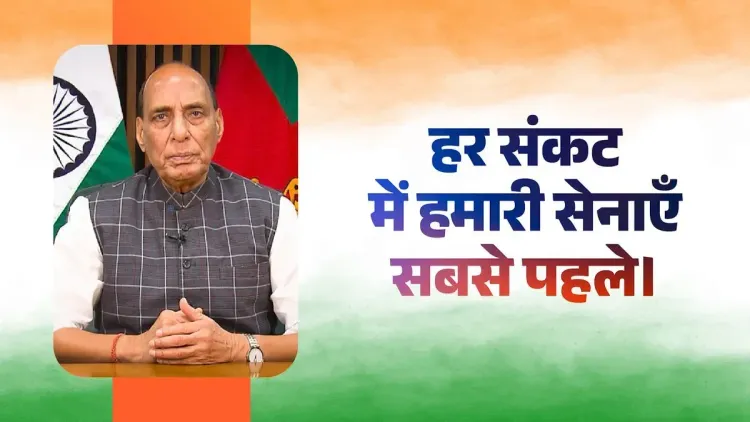
Union Defence Minister Rajnath Singh on 14 August 2026 reaffirmed that India's armed forces serve as the nation's first responders in every disaster, reaching affected areas immediately for relief and rescue under the framework established by the Disaster Management Act, 2005.
Key Takeaways
Union Defence Minister Rajnath Singh posted on 14 August 2026 highlighting the Indian armed forces' role as first responders in national disasters.
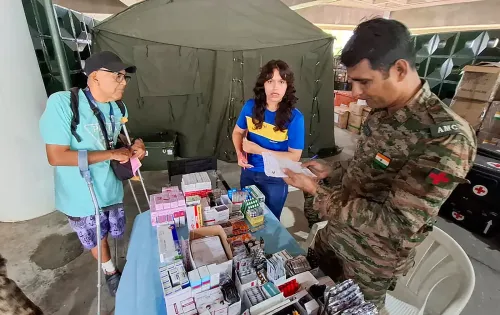
The Indian Army, Navy, and Air Force maintain standing HADR (Humanitarian Assistance and Disaster Relief) protocols for rapid deployment.
The Disaster Management Act, 2005 formally integrates the armed forces into India's emergency response framework under the NDMA .
Military deployment in disasters typically precedes or enables specialised civilian units, given the forces' logistics reach into remote terrain.
Singh's statement came on the eve of Independence Day , deliberately spotlighting the non-combat service dimension of the armed forces.
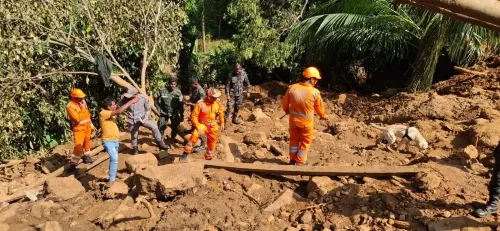
When catastrophe strikes — floods swallowing villages, earthquakes splitting roads, cyclones erasing coastlines — one institution moves before the dust settles. Union Defence Minister Rajnath Singh on Friday, 14 August 2026, underscored a defining truth about India's armed forces: in every crisis, they arrive first.
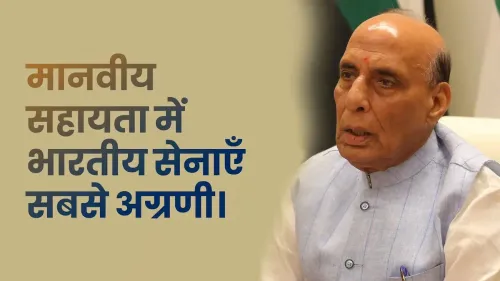
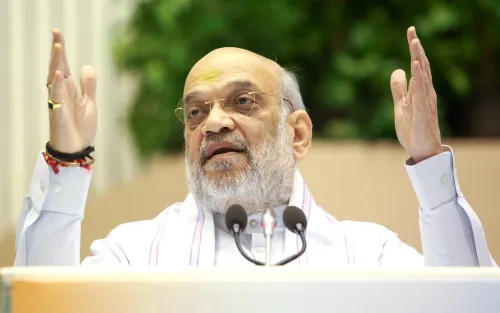
Posting on X, Singh wrote: 'In every moment of crisis, our armed forces come forward as First Responders. Wherever an unfortunate disaster strikes in the country, the Indian armed forces immediately reach and carry out relief and rescue work.'
The doctrine behind the deployment
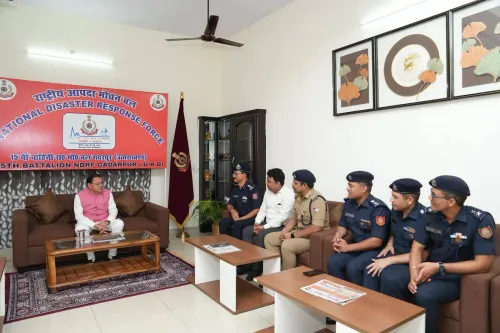
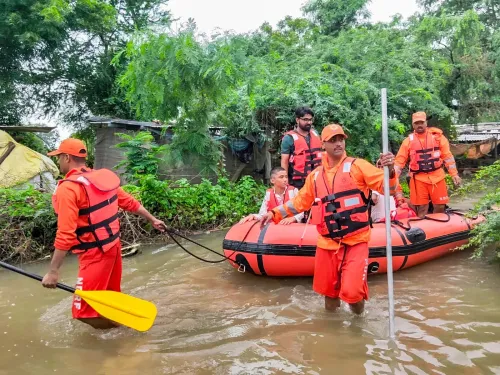
This is not improvisation — it is architecture. The Disaster Management Act, 2005 formally embedded the armed forces into India's emergency response framework, placing them under the coordination of the National Disaster Management Authority (NDMA) alongside state governments and civilian agencies. What the legislation codified, decades of practice had already proven: the military's logistics spine, trained manpower, and reach into terrain that roads forget makes it uniquely capable in the critical first hours. India's three services — Army, Navy, and Air Force — maintain standing Humanitarian Assistance and Disaster Relief (HADR) protocols, enabling rapid column deployment for floods during the monsoon season, air-dropping of supplies to earthquake-hit zones, and naval rescue operations along cyclone-battered coastlines. Specialist civilian units such as the National Disaster Response Force (NDRF) are formidable, but they operate in a geography the armed forces effectively open up for them.Why the minister's framing matters on the eve of Independence Day
Singh's post lands on the eve of Independence Day, a moment when the public conversation about the armed forces tends toward the ceremonial. His choice to highlight the HADR role — unglamorous, exhausting, and often conducted far from cameras — is a deliberate reframe. The soldier sandbagging a flooded riverbank or winching a survivor from a submerged rooftop is as much a face of national service as the one standing at attention at Kartavya Path. For a minister who oversees the world's one of the largest standing militaries, the message is also institutional: the armed forces' value to the Indian state is not measured in wartime alone. Every monsoon season, every seismic event, every coastal storm is a test of that proposition — and by the military's own record, a test it has consistently passed. The statement carries no specific operational reference, but its timing and register signal that the Ministry of Defence wants this dimension of military service front and centre in the national consciousness as India marks another year of independence.Point of View
A framing that broadens public justification for defence expenditure and force readiness. It also reflects a longer BJP-era emphasis on the military's visible role in civilian life, from surgical strikes to flood rescue, as a symbol of state capability. Coming on Independence Day eve, it primes the national conversation to value the soldier's peacetime sacrifice alongside battlefield valour. Watch for whether the Ministry follows with updated joint SOPs for the monsoon and cyclone seasons, which would give the statement operational weight.
NationPress
28 Sept 2026
Frequently Asked Questions
What is the HADR role of the Indian armed forces?
HADR stands for Humanitarian Assistance and Disaster Relief. The Indian Army, Navy, and Air Force maintain standing protocols to deploy rapidly during floods, earthquakes, and cyclones, often reaching affected areas before specialised civilian agencies.
What did Rajnath Singh say about the armed forces and disasters?
On 14 August 2026, Defence Minister Rajnath Singh stated that in every crisis, India's armed forces come forward as First Responders, immediately reaching disaster-hit areas to carry out relief and rescue work.
What law governs armed forces involvement in disaster relief in India?
The Disaster Management Act, 2005 established the legal framework for armed forces assistance in civil emergencies, placing coordination under the National Disaster Management Authority (NDMA) in conjunction with state governments.
How do the Indian armed forces coordinate with the NDRF during disasters?
The armed forces typically open access to remote or severely affected terrain through their logistics and airlift capabilities, enabling the National Disaster Response Force and other civilian units to operate more effectively once routes are established.
Why did Rajnath Singh post about disaster relief on Independence Day eve?
The timing appears deliberate — to highlight the armed forces' peacetime humanitarian role alongside their defence duties, broadening public recognition of military service beyond the battlefield as India marks Independence Day.