India's Commitment to Enhance Biosimilar Insulin and CGM Production for Global Diabetes Care
Synopsis
In a significant meeting, Union Minister Dr. Jitendra Singh and Dr. Niti Pall of the International Diabetes Federation discussed India's pivotal role in providing affordable diabetes solutions, emphasizing the need for enhanced biosimilar insulin and CGM production to meet global demand.
Key Takeaways
India is becoming a significant player in providing affordable diabetes care.
There is a push for increased production of biosimilar insulin .
Continuous Glucose Monitoring ( CGM ) devices are essential for diabetes management.
High insulin prices create access issues in many regions.
Collaboration between Indian and international partners is crucial for advancements in diabetes care.
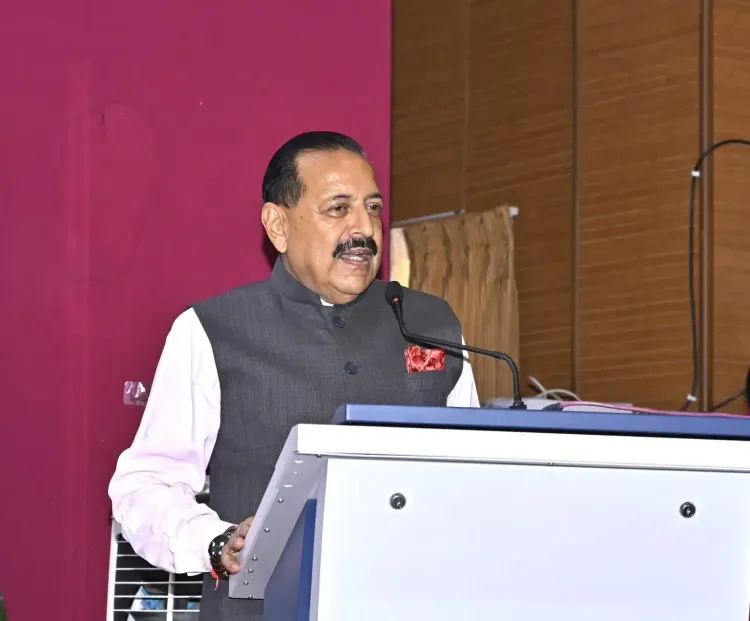
New Delhi, April 4 (NationPress) Union Minister Dr. Jitendra Singh engaged in discussions with Dr. Niti Pall, the President-elect of the International Diabetes Federation. Dr. Pall emphasized that countries in Asia and Africa are increasingly turning to India for cost-effective diabetes care options, thanks to India's leadership in providing affordable vaccines, according to an official statement shared on Saturday.
The conversation centered around India's potential for producing indigenous biosimilar insulin and the prospects for biomanufacturing related to diabetes, as noted by the Ministry of Earth Sciences.
Dr. Pall pointed out that exorbitant insulin prices in various regions hinder access to treatment, highlighting the necessity for alternative manufacturing centers that can offer high-quality products at reduced prices.
"The meeting highlighted the critical need to enhance India’s insulin manufacturing skills, especially in biosimilar insulins and Continuous Glucose Monitoring (CGM) devices," the statement revealed, amidst global worries regarding the future availability of insulin.
Dr. Pall raised concerns about potential supply limitations as major multinational corporations are increasingly focusing on newer therapies, such as GLP-1 drugs.
She observed that the global insulin market is dominated by a handful of companies, leading to challenges in supply chains and affordability, particularly for Type 1 diabetes patients who rely on lifelong insulin therapy.
In this context, biosimilar insulins, or closely comparable versions of existing insulin treatments, have become a focal point, presenting a lower-cost option that maintains safety and efficacy standards.
Dr. Singh acknowledged India’s strengths in pharmaceuticals but noted that the local capacity for insulin production is still relatively modest.
The minister revealed that the Department of Biotechnology is actively supporting initiatives to boost insulin production capacity, referencing recent advancements made by an Indian firm.
The two leaders discussed the possibility of enhanced collaboration among Indian researchers, industry players, and international partners in areas such as clinical trials, technology innovation, and financing strategies.
Dr. Pall remarked on the swift growth of affordable devices from countries like China, which offer significant price benefits compared to Western alternatives, warning that these manufacturers are already taking substantial market shares.
Dr. Singh observed that Indian enterprises have the technological prowess to create comparable devices, including CGMs, and emphasized that expanding production would necessitate increased industry involvement and dedicated support.
aar/na
Point of View
Especially in the production of affordable insulin. The collaboration between Indian authorities and international experts signifies a critical step towards addressing diabetes treatment accessibility in developing nations.
NationPress
25 Sept 2026
Frequently Asked Questions
What is biosimilar insulin?
Biosimilar insulin refers to products that are highly similar to existing insulin therapies, designed to provide a lower-cost alternative while maintaining safety and efficacy.
Why is insulin access a concern in many regions?
High insulin prices in various parts of the world limit access to treatment for diabetes, particularly affecting those who rely on lifelong insulin therapy.
What role does India play in global diabetes care?
India is increasingly viewed as a leader in providing affordable diabetes care solutions, including the potential for producing biosimilar insulin and CGM devices.
How can India enhance its insulin production capacity?
Through government support, industry collaboration, and technological innovation, India can strengthen its capabilities in insulin manufacturing.