Kerala CM Satheesan urges PM Modi to aid UAE-based Malayali medics facing visa crisis
Synopsis
Kerala CM V.D. Satheesan has written to PM Modi flagging an imminent deportation threat for Malayali nurses and paramedics in the UAE, where the US-Iran standoff has choked visa processing at an Iranian hospital in Dubai. With workers nearing grace-period expiry and families' futures on the line, the letter is a rare instance of a state government invoking geopolitics to protect its diaspora.
Key Takeaways
Satheesan wrote to PM Narendra Modi on 7 June seeking intervention for UAE-based Malayali healthcare workers.
The crisis stems from the US-Iran standoff , which has disrupted visa processing — including employment, visit, and dependent visas — in the UAE .
An Iranian hospital in Dubai was specifically cited as a site of acute distress for Kerala nurses and paramedics.
Workers nearing the end of their grace periods risk forced deportation and loss of professional licensing.
Satheesan urged the Ministry of External Affairs to direct the Embassy of India in the UAE to seek a humanitarian resolution.
The Centre has not yet responded publicly to the letter.
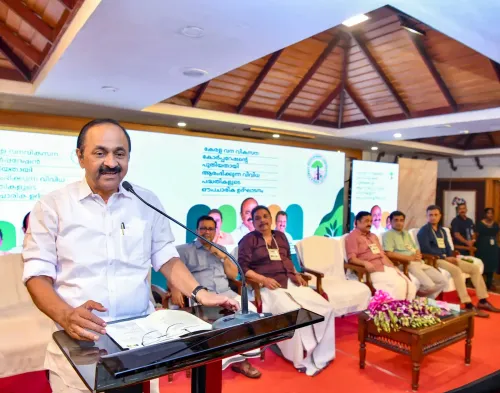
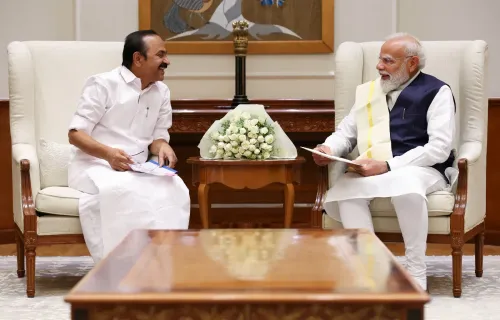
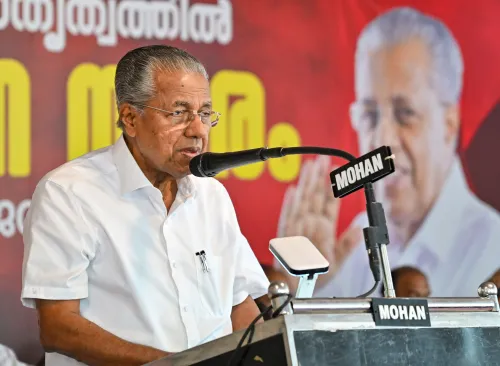
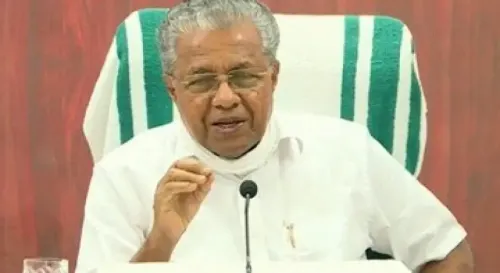
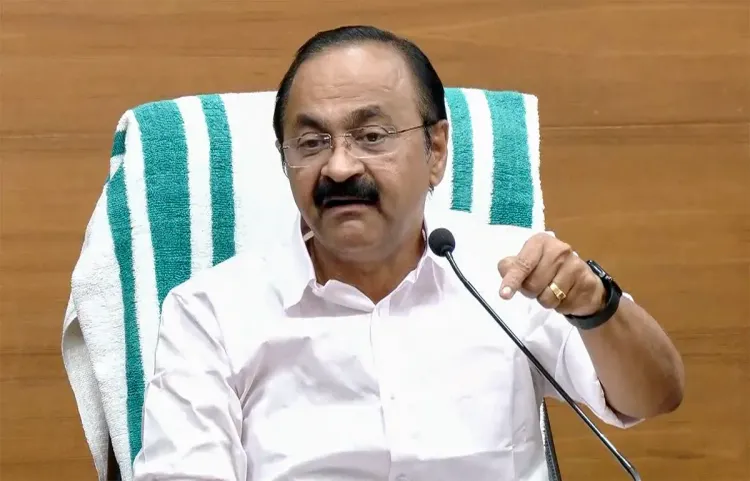
Kerala Chief Minister V.D. Satheesan has written to Prime Minister Narendra Modi, seeking urgent intervention to address the 'economic plight and uncertain future' of Indian paramedics and nurses — predominantly from Kerala — working in the UAE amid mounting visa complications linked to the ongoing US-Iran standoff in the region. The letter, dispatched on 7 June, calls on the Centre to engage diplomatically before scores of healthcare workers face forced deportation.
The Core Crisis
Satheesan flagged that the prolonged face-off between the United States and Iran has created severe disruptions in the Gulf, making it increasingly difficult for Indian healthcare professionals to obtain employment, visit, and dependent visas. He made a specific reference to an Iranian hospital in Dubai, where Malayali workers are reportedly in an 'extremely distressing situation' due to operational restrictions in the conflict-affected zone.
Many of these workers are nearing the end of their grace periods and fear they could be compelled to leave the UAE, potentially jeopardising their professional licensing and future employment prospects. 'Many affected individuals are currently nearing the end of their grace period and fear that they may be compelled to leave the UAE, potentially jeopardising their future employment opportunities and professional licensing,' Satheesan wrote.
Human Cost for Malayali Families
The Chief Minister underscored the broader social fallout, noting that the crisis has caused 'immense anxiety among numerous Malayali families whose lives and children's education are rooted in the UAE.' Kerala has one of India's largest diaspora communities in the Gulf, and remittances from UAE-based workers remain a significant pillar of the state's economy. A wave of deportations would carry consequences well beyond individual livelihoods.
What Satheesan Has Demanded
Satheesan urged the Ministry of External Affairs (MEA) to direct the Embassy of India in the UAE to engage with relevant UAE authorities and explore a 'fair and compassionate resolution on humanitarian grounds.' He also highlighted the longstanding contribution of Indian healthcare workers to the Gulf's medical infrastructure, including their frontline role during the Covid-19 pandemic. 'These professionals served with dedication and distinction, including during the Covid-19 pandemic, when they stood on the front lines of healthcare delivery,' he said.
Wider Context
This is not the first time Kerala's leadership has flagged distress among Gulf-based workers — the state has historically been the most vocal advocate for the Indian diaspora in West Asia. However, the current situation is distinct in that the trigger is a geopolitical conflict rather than an economic downturn, limiting the options available to both the Indian government and the workers themselves. The Centre has yet to respond publicly to Satheesan's letter. How swiftly the MEA acts could determine whether a humanitarian crisis is averted or allowed to escalate.
Point of View
Not a bilateral India-UAE policy choice. The more telling gap is institutional: India still lacks a robust, standing mechanism to protect Gulf diaspora workers during geopolitical flare-ups, relying instead on ad hoc chief-ministerial letters. Kerala has been raising Gulf worker distress signals for decades; the fact that it still requires a CM writing to the PM to trigger MEA action points to a structural deficit in India's diaspora protection architecture. The real question is whether this letter produces a durable diplomatic channel or another one-off intervention.
NationPress
24 Oct 2026
Frequently Asked Questions
Why are Malayali healthcare workers in the UAE facing a visa crisis?
The prolonged standoff between the United States and Iran has disrupted operations in the Gulf, making it difficult for Indian healthcare professionals to obtain employment, visit, and dependent visas in the UAE. Workers at an Iranian hospital in Dubai are among those most severely affected.
What has Kerala CM V.D. Satheesan asked PM Modi to do?
Satheesan has asked PM Modi to direct the Ministry of External Affairs to engage the Embassy of India in the UAE and relevant UAE authorities to find a fair, humanitarian resolution for affected workers before their grace periods expire and they face forced deportation.
Who is most at risk from this crisis?
Indian nurses and paramedics — predominantly from Kerala — working in the UAE, particularly those employed at or affiliated with Iranian-run medical facilities in Dubai. Many are nearing the end of their legal grace periods and risk losing their professional licences and employment prospects.
What is the broader impact on Kerala families?
Satheesan noted that the crisis has caused 'immense anxiety among numerous Malayali families whose lives and children's education are rooted in the UAE.' Remittances from Gulf-based Keralites are a significant part of the state's economy, making mass deportations a wider economic concern.
How have Indian healthcare workers contributed to the UAE?
Indian healthcare professionals have been integral to the UAE's medical system for decades, including serving on the front lines during the Covid-19 pandemic. Satheesan cited this contribution as grounds for a compassionate diplomatic resolution.