Kerala 'Break the Chain' audit flags ₹4.89 crore Covid fund irregularities
Synopsis
A Finance Department inspection has flagged serious procedural and financial irregularities in Kerala's ₹4.89 crore 'Break the Chain' Covid campaign — from tenderless procurement to handwritten vouchers without GST details — and recommended disciplinary action against the former Social Security Mission chief. With pandemic-era PPE controversies already in the background, the findings reopen a politically charged chapter in Kerala's Covid governance record.
Key Takeaways
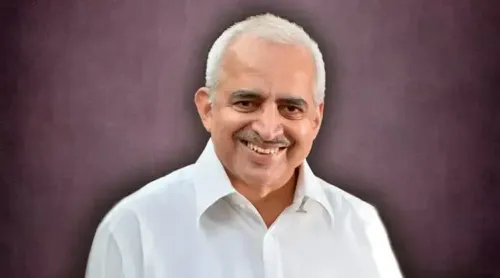
A Finance Department inspection has recommended disciplinary proceedings against former Social Security Mission Executive Director Dr Mohammed Asheel over the 'Break the Chain' Covid-19 campaign.
The ₹4.89 crore campaign was allegedly executed without mandatory tender procedures, with expenditure supported largely by handwritten vouchers lacking GST details.
The Prison Department received a ₹33 lakh advance to manufacture sanitisers reportedly without the required government licence. ₹44.63 lakh was allegedly advanced to district coordinators without prescribed procedures; ₹19.64 lakh spent on a video conferencing hall renovation also reportedly violated financial norms.
Dr Asheel has disputed the findings, citing emergency financial powers during the pandemic, and has sought withdrawal of the report.
Former Health Minister K.K.
Shailaja defended the implementation, saying decisions were collective, swift, and properly documented given pandemic conditions.
Kerala's 'Break the Chain' Covid-19 awareness campaign is facing fresh scrutiny after a Finance Department inspection reportedly uncovered serious procedural and financial irregularities in the programme's execution, recommending departmental disciplinary proceedings against former Social Security Mission Executive Director Dr Mohammed Asheel. The inspection report, covering a campaign worth ₹4.89 crore, raises questions over how pandemic-era funds were managed and authorised.
Key Findings of the Inspection Report
According to the report, the campaign was executed without adhering to mandatory tender procedures. A significant portion of expenditure was allegedly supported only by handwritten vouchers lacking GST details, making independent verification difficult. The report further contends that the Social Security Mission had not been officially entrusted with implementing the programme, raising questions over the legitimacy of fund utilisation.
Among the specific irregularities cited: the Prison Department was permitted to manufacture sanitisers without the required government licence and received an advance of ₹33 lakh. Additionally, ₹44.63 lakh was allegedly advanced to district coordinators without following prescribed procedures, while ₹19.64 lakh spent on renovating a video conferencing hall reportedly violated financial norms. Alleged irregularities in the procurement of kiosks and the manufacture of masks and sanitisers were also flagged.
What the Report Does and Does Not Allege
Notably, the inspection report stops short of accusing Dr Asheel of personal financial gain. It holds him responsible for serious violations of financial rules and administrative procedures — a distinction that his supporters have highlighted. The report recommends departmental disciplinary proceedings, not criminal charges, at this stage.
Dr Asheel's Response
Dr Asheel has strongly disputed the findings. He maintains that the expenditure was incurred under special financial powers available during the Covid-19 emergency, when conventional tender procedures were exempted given the unprecedented public health crisis. He has argued that approvals obtained through the competent minister after procurement were legally valid, and accused the inspection team of ignoring emergency provisions and failing to examine relevant records before preparing the report.
In a formal representation to the Additional Chief Secretary, Finance, Dr Asheel has sought withdrawal of the report, assured full cooperation with the inquiry, and requested that disciplinary proceedings be deferred until a final decision is reached.
Political Dimension and Former Minister's Defence
The revelations carry political weight, arriving against the backdrop of earlier controversies surrounding Covid-era procurements in Kerala — including allegations relating to PPE kit purchases — which had already sparked debate over the previous Left Democratic Front government's handling of pandemic-related expenditure.
Former Health Minister K.K. Shailaja defended the former official, stating that the programme had been implemented by an entire department rather than any single individual. She stressed that the extraordinary circumstances of the pandemic required swift administrative decisions, that all actions were properly documented, and expressed confidence that all questions would be answered.
What Happens Next
The Finance Department's recommendation of disciplinary proceedings now awaits a decision from higher authorities. Dr Asheel's representation seeking deferral of action remains pending. With the findings reviving political debate over pandemic-era governance in Kerala, the case is likely to draw further scrutiny from opposition parties and civil society alike.
Point of View
With accountability questions surfacing years later. The distinction the report draws — procedural violations versus personal enrichment — is important, but it does not resolve the structural problem: emergency exemptions in India routinely outlast the emergencies that justify them, and post-facto ministerial approval is a thin substitute for competitive tendering. With PPE procurement controversies already on the record, this audit adds to a pattern that opposition parties will exploit, regardless of the legal merits. The real test is whether the disciplinary process proceeds on evidence or stalls in political calculation.
NationPress
12 Oct 2026
Frequently Asked Questions
What is the Kerala 'Break the Chain' Covid campaign audit about?
A Finance Department inspection has reportedly found serious procedural and financial irregularities in Kerala's ₹4.89 crore 'Break the Chain' Covid-19 awareness campaign, including tenderless procurement, expenditure backed only by handwritten vouchers, and advances paid without following prescribed procedures. The report has recommended disciplinary action against former Social Security Mission Executive Director Dr Mohammed Asheel.
Who is Dr Mohammed Asheel and what is he accused of?
Dr Mohammed Asheel is the former Executive Director of the Kerala Social Security Mission, which implemented the 'Break the Chain' campaign. The Finance Department inspection holds him responsible for serious violations of financial rules and administrative procedures — but stops short of alleging personal financial gain.
What specific financial irregularities were flagged in the report?
The report cites tenderless procurement, handwritten vouchers without GST details, a ₹33 lakh advance to the Prison Department to manufacture sanitisers reportedly without a government licence, ₹44.63 lakh advanced to district coordinators without prescribed procedures, and ₹19.64 lakh spent on a video conferencing hall renovation in violation of financial norms.
How has Dr Asheel responded to the audit findings?
Dr Asheel has strongly disputed the findings, arguing that the campaign was executed under special emergency financial powers that exempted conventional tender procedures during the Covid-19 crisis. He has filed a representation with the Additional Chief Secretary, Finance, seeking withdrawal of the report and deferral of disciplinary proceedings pending a final decision.
What is the political significance of this audit?
The findings revive debate over the previous Left Democratic Front government's handling of pandemic-related expenditure in Kerala, including earlier controversies over PPE kit procurement. Former Health Minister K.K. Shailaja has defended the programme, saying it was a collective departmental effort carried out under extraordinary circumstances with proper documentation.