Are Lifestyle Changes and Ultra-Processed Foods Fueling India's Obesity Crisis?
Synopsis
The Economic Survey reveals a shocking rise in obesity rates in India driven by unhealthy diets and lifestyle changes. With projections indicating a steep increase in obesity, the need for government initiatives becomes even more critical.
Key Takeaways
Obesity rates are rapidly increasing across India.
Ultra-processed foods are a significant contributor to this crisis.
Government initiatives aim to provide holistic solutions.
All age groups are affected, necessitating urgent action.
Public awareness and lifestyle changes are essential.
New Delhi, Jan 29 (NationPress) The rate of obesity is escalating dramatically, presenting a significant public health crisis in India, as highlighted by the Economic Survey for 2025-26 released on Thursday.
The Economic Survey, presented in Parliament by Union Finance Minister Nirmala Sitharaman, attributes this alarming trend to unhealthy dietary habits, lifestyle shifts, including a rise in sedentary behavior, increased intake of ultra-processed foods (UPFs), and various environmental influences.
“This issue spans all age demographics and elevates the likelihood of non-communicable diseases (NCDs) such as diabetes, heart ailments, and hypertension, affecting both urban and rural communities,” the Survey remarked.
Referencing data from the 2019-21 National Family Health Survey (NFHS), the report indicated that 24% of Indian women and 23% of Indian men are categorized as overweight or obese. Among women aged 15-49, the obesity rate is 6.4%, while 4.0% of men fall into the same category. The incidence of excess weight among children under five has climbed from 2.1% in 2015-16 to 3.4% in 2019-21.
Estimates suggest that over 3.3 crore children in India were classified as obese in 2020, with projections indicating this figure may rise to 8.3 crore by 2035.
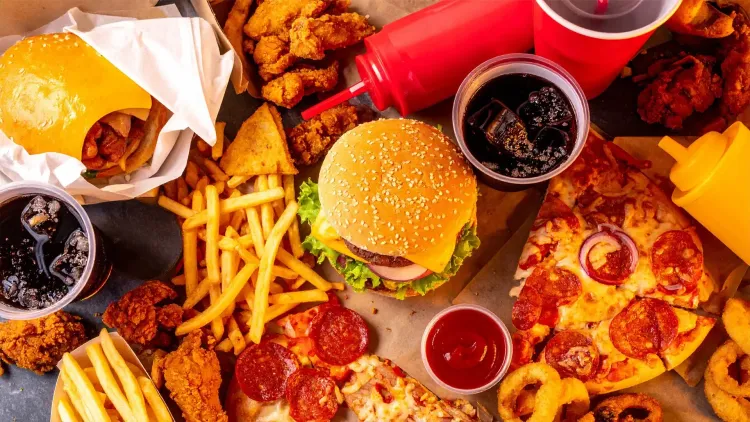
The Economic Survey expressed concern over the burgeoning UPF market in India, which is displacing traditional dietary habits, diminishing diet quality, and correlating with a heightened risk of numerous chronic illnesses.
“India stands as one of the fastest-growing markets for UPF sales, experiencing growth exceeding 150% from 2009 to 2023. Retail sales of UPFs surged from $0.9 billion in 2006 to approximately $38 billion in 2019, marking a 40-fold increase. Concurrently, obesity rates have nearly doubled among both genders. This reflects a global trend of increasing obesity alongside dietary changes,” it noted.
“The escalating consumption of UPFs incurs substantial economic burdens through increased healthcare costs, diminished productivity, and long-term fiscal pressures,” it further highlighted.
The Survey also pointed out various comprehensive, multi-faceted initiatives launched by the government to combat, manage, and reduce obesity nationwide.
The initiatives include POSHAN Abhiyaan & Poshan 2.0, Fit India Movement, Khelo India, Eat Right India, a nationwide awareness campaign titled ‘Aaj Se Thoda Kam’, the School Health Programme, and the promotion of yoga.
These programs aim to foster a holistic approach that integrates health, nutrition, physical activity, food safety, and lifestyle changes, continually working towards a healthier, stronger, and obesity-free India.
Point of View
We must emphasize that the rising obesity rates in India are a pressing public health concern that requires immediate attention and action. This issue transcends politics and demands a unified approach to foster healthier lifestyles across the nation.
NationPress
23 Sept 2026
Frequently Asked Questions
What are ultra-processed foods?
Ultra-processed foods are industrially manufactured food items that contain ingredients not typically found in a home kitchen, such as preservatives, artificial flavors, and sweeteners. They are often high in sugars, unhealthy fats, and salt.
How does obesity affect health?
Obesity can lead to various health issues, including diabetes, heart disease, hypertension, and certain types of cancer. It also increases the risk of mental health problems, such as anxiety and depression.
What initiatives are in place to combat obesity in India?
The Indian government has launched multiple initiatives, including the Fit India Movement, Eat Right India, and the School Health Programme, aimed at promoting healthier lifestyles and dietary habits.
What demographic is most affected by obesity?
Obesity affects all age groups, but recent surveys indicate significant increases among both adults and children, with alarming rates in urban areas.
How can individuals contribute to combating obesity?
Individuals can contribute by adopting healthier eating habits, engaging in regular physical activity, and participating in community health initiatives that promote wellness.