Uttar Pradesh's Government May Classify Cancer as Notifiable Disease
Synopsis
The Uttar Pradesh government is considering a pivotal proposal to classify cancer, particularly in children, as a notifiable disease. This measure aims to improve early detection and treatment, reflecting the state's commitment to enhancing healthcare for pediatric cancer patients.
Key Takeaways
Proposal to classify cancer as a notifiable disease.
Focus on early detection and treatment for children.
52% of childhood cancer patients currently access care in Uttar Pradesh.
Formation of a Pediatric Oncology Task Force is under consideration.
Uttar Pradesh aims to be a model for childhood cancer care.
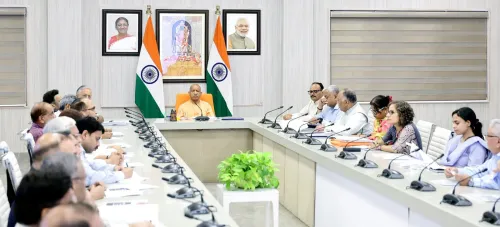
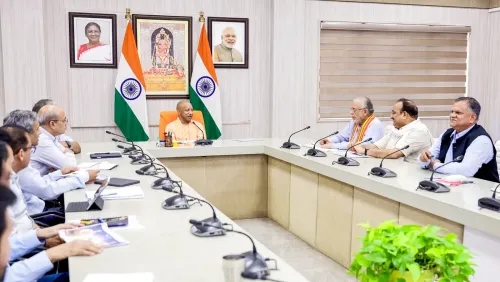
Lucknow, March 31 (NationPress) The government led by Yogi Adityanath in Uttar Pradesh is currently evaluating a proposal to classify cancer, particularly in children, as a notifiable disease. This initiative aims to enhance early detection and treatment, as stated by a senior official from the health department on Tuesday.
Notifiable diseases are those that must be reported to government health authorities by healthcare providers, laboratories, and veterinarians, as mandated by law.
The official emphasized that mandating the reporting of childhood cancer cases will enable health authorities to monitor the prevalence of the disease and implement necessary interventions to safeguard public health.
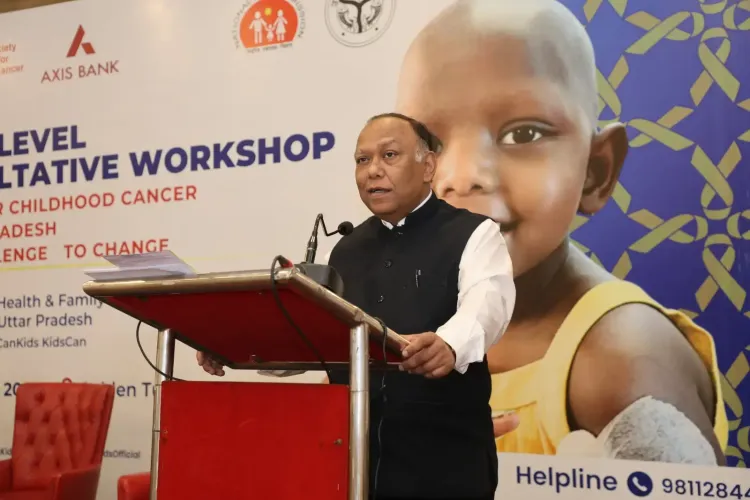
Amit Kumar Ghosh, Additional Chief Secretary and Principal Secretary of the Department of Health and Family Welfare and Medical Education in Uttar Pradesh, reiterated the state's dedication to improving cancer care systems, including the potential designation of cancer as a notifiable disease.
“Uttar Pradesh is developing a model wherein systems, institutions, and stakeholders collaborate to ensure that every child diagnosed with cancer is identified, treated, and supported,” Ghosh remarked.
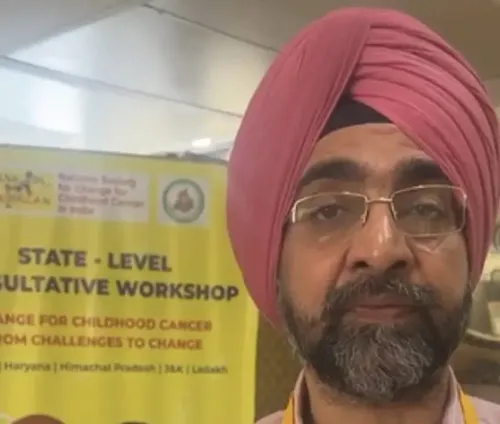
He mentioned that through inter-departmental collaboration and partnerships, the state is striving to guarantee access, financial security, and improved outcomes on a large scale, during a state consultation workshop held in Lucknow on Monday.
Poonam Bagai, a member of the ICMR Central Ethics Committee on Human Research and founder of Cankids, as well as the WHO South East Asia Region Representative for Childhood Cancer International, noted that Uttar Pradesh has positioned itself as a leader in financial protection, with initiatives that support children regardless of where they receive treatment.
“Uttar Pradesh holds the potential to serve as a global benchmark for large-scale childhood cancer care, showcasing how extensive regions with significant burdens can achieve 100% access, 100% financial protection, and 60% survival rates,” Bagai, a cancer survivor herself, stated.
The state accounts for nearly 20% of India's children with cancer and about 4% of the global childhood cancer burden. Currently, Uttar Pradesh faces an annual burden of 14,700 childhood cancer cases, with 52% of affected children receiving care.
The Yogi Adityanath administration is also contemplating forming a task force focused on childhood cancer, in collaboration with various stakeholders, according to an official.
“A dedicated Pediatric Oncology Task Force will facilitate continuous review, coordination, and integration of childhood cancer care into the state's overarching cancer strategy,” the official remarked.
Since entering into a memorandum of understanding with the National Society Cankids Kidscan, Uttar Pradesh has made significant strides in fortifying childhood cancer care systems. The access to care has improved from 25% in 2019 to 52% in March 2026, reflecting the benefits of collaborative actions among government entities, pediatric oncology institutions, and civil society partners.
A comprehensive campaign is also being implemented across all 75 districts to share health information and enhance the capabilities of healthcare professionals and institutions through four dedicated childhood cancer divisions: Gautam Buddha Nagar, Lucknow, Gorakhpur, and Varanasi, as shared by the official.
Shortly, a State Tumor and Teleconsultation Board, comprising specialists from all major cancer centers in the state, will aid in clinical decision-making and train healthcare professionals and service delivery teams to ensure excellence in pediatric oncology treatment.
Soniya Nityanand, Vice Chancellor of KGMU, Lucknow, emphasized that the Uttar Pradesh government's efforts to achieve 100% access, 100% financial security, and a 60% survival rate for childhood cancer patients align with the WHO Global Initiative for Childhood Cancer (GICC) and the UNGA 80 commitments, positioning Uttar Pradesh as a potential national and global model for transformative childhood cancer care systems.
Point of View
It is imperative to recognize the potential impact of this proposal by the Uttar Pradesh government. By classifying cancer as a notifiable disease, the state may significantly improve early diagnosis and treatment for children, which could set a precedent for similar initiatives in other regions. The focus on collaborative healthcare is commendable and holds promise for better health outcomes.
NationPress
25 Sept 2026
Frequently Asked Questions
What is a notifiable disease?
A notifiable disease is one that healthcare providers, laboratories, and veterinarians are legally required to report to government health authorities.
Why is cancer being considered for notifiable status?
The classification aims to facilitate early detection and intervention, enabling health officials to monitor disease prevalence and protect public health.
What percentage of childhood cancer patients in Uttar Pradesh currently access care?
As of now, 52% of childhood cancer patients in Uttar Pradesh are receiving care.
What initiatives are being implemented to improve cancer care?
The government plans to establish a Pediatric Oncology Task Force and has launched a campaign across districts to enhance healthcare capacity and information dissemination.
How does this initiative align with global health commitments?
It aligns with the WHO Global Initiative for Childhood Cancer and UNGA commitments, aiming for comprehensive access and financial protection for childhood cancer patients.