US tightens medical device export rules for North Korea amid weapons threat
Synopsis
Washington has quietly but significantly narrowed the humanitarian carve-out in its North Korea sanctions regime — restricting oxygen generators, diagnostic imaging tools and lab equipment that can serve both civilian medicine and weapons programmes. With no active diplomacy on Pyongyang's nuclear file, the move signals the US is tightening every lever it has.
Key Takeaways
The US Treasury's OFAC published a new list on 13 June restricting specific medical device exports to North Korea under a general licence.
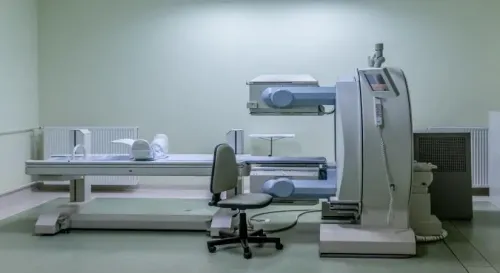
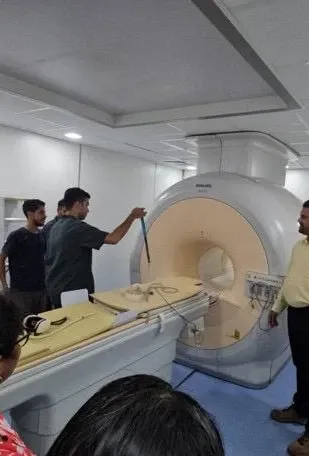
Items now requiring individual authorisation include oxygen generators , diagnostic imaging equipment , and laboratory devices such as freeze-dryers and carbon dioxide incubators.
The restrictions target dual-use equipment that could support North Korea's advancing nuclear and missile programmes.
No active diplomatic dialogue is underway between Pyongyang and either Washington or Seoul on the nuclear issue.
A senior South Korean official said it is 'too early' to confirm a Lee Jae Myung–Donald Trump bilateral meeting at the G7 summit in Evian .
The US Treasury Department has published a new list of medical devices that now require specific authorisation from its Office of Foreign Assets Control (OFAC) for export to North Korea, according to a Federal Register notice. The measure, which took effect on Thursday, 13 June, effectively tightens licensing requirements that previously allowed certain medical and humanitarian goods to flow to Pyongyang under a general licence — a shift that comes as North Korea continues to advance its nuclear and missile programmes.
What the New List Covers
The OFAC list removes several categories of equipment from the general licence that had authorised exports of select agricultural commodities, medicines, and medical devices to North Korea. Items now requiring specific case-by-case approval include oxygen generators, pumps with flow rates exceeding one litre per minute, and a range of diagnostic medical imaging equipment — among them gamma imaging systems, tactile imaging equipment, and thermography devices.
Also newly restricted are several laboratory items: freeze-drying and spray-drying equipment, decontamination showers, laboratory shakers, incubator shakers, and carbon dioxide incubators. These are widely used in civilian medical and research settings but carry significant dual-use potential.
Why Washington Is Acting Now
The core concern, according to the notice, is dual-use risk — the possibility that equipment ostensibly intended for civilian healthcare could be redirected to support North Korea's weapons infrastructure. Pyongyang has sharply accelerated its weapons testing and development in recent years, with no active diplomatic dialogue underway with either Washington or Seoul on its nuclear programme.
This is not the first time the US has revisited the humanitarian carve-outs in its North Korea sanctions regime. Critics of such restrictions have historically argued that tightening medical-goods licences disproportionately harms ordinary North Koreans rather than the state's military apparatus. However, US officials contend that the dual-use nature of the listed equipment justifies the added scrutiny.
South Korea–US Summit Uncertainty at G7
Separately, a senior South Korean presidential official said on Thursday that it is 'too early' to confirm whether President Lee Jae Myung would hold a bilateral summit with US President Donald Trump on the sidelines of the upcoming Group of Seven (G7) summit in Evian, France. The G7 gathering is scheduled to run from Monday to Wednesday next week.
President Lee is set to attend from Tuesday to Wednesday as the head of an invited partner nation — the second consecutive year South Korea has received such an invitation. The official noted: 'Dialogue can take place if opportunities are facilitated, but it is difficult to comment on the possibility of arranging it for now.'
What to Watch Next
The practical impact of the OFAC list will depend on how strictly the office processes specific-authorisation requests for genuine humanitarian shipments. Humanitarian organisations operating in North Korea — already navigating a complex sanctions landscape — will need to seek individual approvals for the newly listed items. Any Lee–Trump interaction at the G7 could also carry implications for the broader US–South Korea approach to North Korea policy.
Point of View
Making them credible dual-use concerns. But tightening humanitarian carve-outs without any active diplomatic track risks becoming a self-sealing policy: it applies pressure while removing the channels through which pressure might produce results. The Lee–Trump G7 sidebar, if it happens, is the more consequential variable — Seoul's leverage with Washington on North Korea policy has rarely been more relevant, and a missed meeting would itself be a signal.
NationPress
27 Sept 2026
Frequently Asked Questions
What medical devices has the US restricted for export to North Korea?
The US Treasury's OFAC has restricted oxygen generators, pumps with flow rates above one litre per minute, diagnostic imaging equipment (including gamma and thermography devices), and laboratory items such as freeze-dryers, decontamination showers, and carbon dioxide incubators. These items now require specific individual authorisation rather than falling under a general humanitarian licence.
Why is the US tightening medical device export rules for North Korea?
The primary concern is dual-use risk — the listed equipment has legitimate civilian medical applications but can also support military or weapons-related activities. The move comes as North Korea continues to advance its nuclear and missile programmes with no active diplomatic engagement with Washington or Seoul.
When did the new OFAC restrictions on North Korea take effect?
The new list published by the Office of Foreign Assets Control took effect on Thursday, 13 June 2025, as per the Federal Register notice.
Will the restrictions affect humanitarian aid to North Korea?
Potentially, yes. Organisations seeking to export the newly listed items for genuine humanitarian purposes will now need to apply for specific authorisation from OFAC on a case-by-case basis, adding a layer of bureaucratic scrutiny to shipments that previously moved under a general licence.
What is the status of a possible Lee Jae Myung–Trump meeting at the G7?
A senior South Korean presidential official said on 13 June that it is 'too early' to confirm whether President Lee Jae Myung will hold a bilateral summit with US President Donald Trump at the G7 gathering in Evian, France. Lee is scheduled to attend the summit from Tuesday to Wednesday as an invited partner nation.