North Korea warns Japan's missile build-up risks 'vicious cycle' of regional tension
Synopsis
North Korea's state media named the Type 25 missile system, the Tomahawk test, and the exact Keen Sword exercise dates — a level of technical specificity that sets this rebuke apart from routine Pyongyang broadsides. With Japan on track to nearly double its defence budget by 2027, the 'vicious cycle' warning is as much a signal to domestic audiences and China as it is a protest to Tokyo.
Key Takeaways
North Korea on 3 November 2026 criticised Japan's 'preemptive attack' capabilities via an article in the official KCNA .
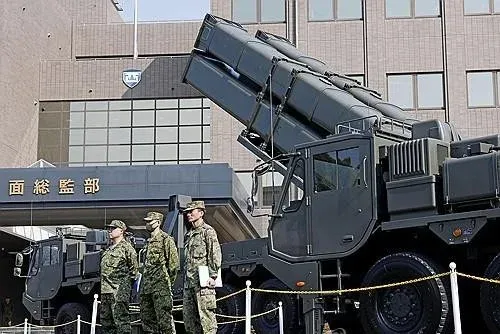
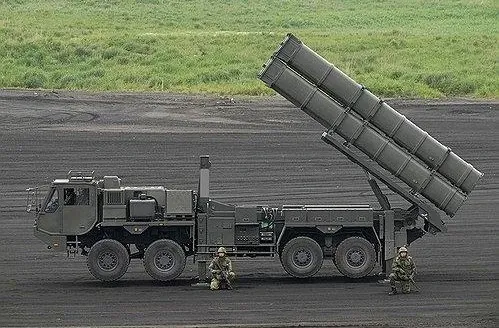
Pyongyang specifically targeted the deployment of a Type 25 missile launcher (range: over 1,000 km ) during the Keen Sword US-Japan exercise ( 19–29 October ).
North Korea also cited Japan's test of a Type 88 anti-ship missile and a Tomahawk cruise missile earlier in 2026 as evidence of an offensive shift.
Pyongyang warned the moves constitute a 'cancer-like factor' that risks a 'vicious cycle' of escalating regional tensions.
Japan's defence pivot — endorsing 'counterstrike' capabilities since December 2022 — targets a near-doubling of defence spending to 2% of GDP by 2027 .
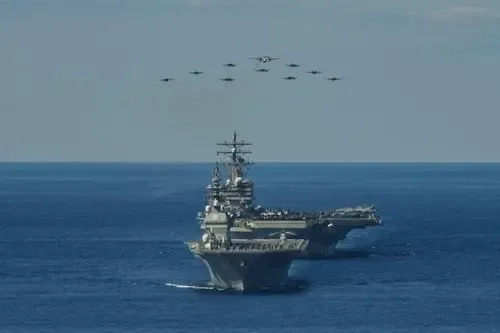
North Korea on Tuesday, 3 November 2026 sharply criticised Japan's drive to acquire 'preemptive attack' capabilities and its joint military exercises with the United States, warning that such moves threaten to trigger a 'vicious cycle' of escalating tensions across the region. The rebuke came through the official Korean Central News Agency (KCNA), which carried an article by a military commentator targeting both Tokyo's weapons programme and the recent Keen Sword bilateral drill.
Keen Sword Exercise in the Crosshairs
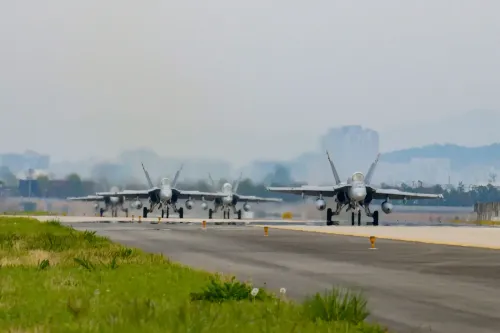
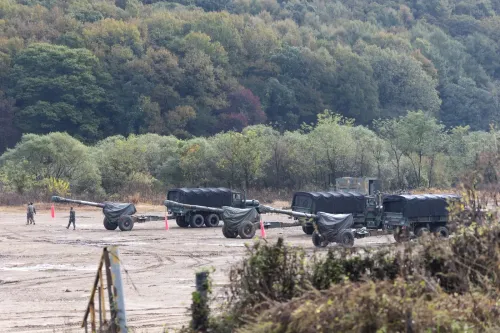
The KCNA commentator specifically took aim at Japan's deployment of a Type 25 longer-range anti-ship missile launcher during the Keen Sword exercise, which ran across Japan from 19 to 29 October and was described as the largest-ever bilateral military drill between Washington and Tokyo. The Type 25 missile system carries a range of more than 1,000 kilometres, placing it within striking distance of coastal areas of both North Korea and China, according to Pyongyang's assessment.
'Japan, a defeated nation accelerating its transformation into a warfighting state after throwing off the veil of a 'pacifist state,' persists in its moves to acquire the capability for making a preemptive attack,' the commentator said. 'Its latest example is the participation of the type 25 surface-to-ship guided missile launcher of the Ground Self-Defence Forces in the largest-ever joint military drill, Keen Sword.'
Broader Pattern of Japanese Rearmament
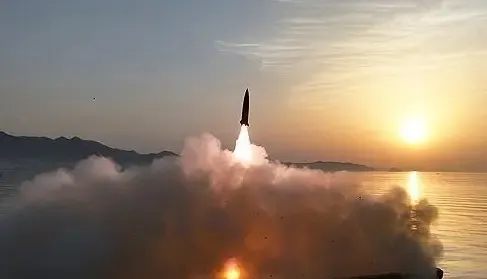
Beyond the Keen Sword exercise, the KCNA article cited Japan's launch of a Type 88 anti-ship missile and its test-firing of a Tomahawk cruise missile earlier in 2026 as further evidence that Tokyo's pursuit of offensive capability has become 'more radical, undisguised and regular.' North Korea claimed Japan's military posture has now fully completed its transition from 'defence' to 'attack.'
This comes amid a broader and well-documented shift in Japanese defence policy. Tokyo revised its National Security Strategy in December 2022, officially endorsing 'counterstrike' capabilities for the first time since the post-war pacifist constitution took effect — a pivot that has drawn periodic protests from both Pyongyang and Beijing.
Pyongyang's 'Vicious Cycle' Warning
'The moves of the neo-militarist forces of Japan to possess the capability for making a preemptive attack ... are a cancer-like factor that brings about a vicious cycle of escalating tension in the region,' the KCNA commentator said. North Korea argued that Tokyo did not conceal the offensive intent behind the missile launch simulation drills conducted during the Keen Sword exercise, framing the coastal areas of the Korean peninsula and China as the intended target range.
Regional Context and What Comes Next
Notably, this is not the first time Pyongyang has used state media to condemn US-Japan defence exercises, but the specificity of the critique — naming the Type 25 system, the Tomahawk test, and the exercise dates — signals a more pointed and technically detailed response than previous broadsides. Analysts broadly view such statements as calibrated diplomatic signalling rather than immediate military intent, though they can be used domestically to justify North Korea's own weapons development.
Japan's government has not publicly responded to the KCNA commentary. With the next scheduled round of US-Japan security consultations expected before year-end, Pyongyang's rhetoric is likely to remain elevated as Tokyo continues its five-year defence build-up plan, which targets a near-doubling of the defence budget to 2% of GDP by 2027.
Point of View
Giving both China and domestic audiences a narrative anchor. The irony is sharp: North Korea's own accelerating missile programme is the primary driver of the Japanese defence expansion it now condemns. Mainstream coverage tends to treat such KCNA statements as noise, but the specificity here signals that Pyongyang is closely tracking Tokyo's capabilities and may use this framing to justify its next weapons test cycle.
NationPress
3 Nov 2026
Frequently Asked Questions
Why did North Korea criticise Japan's military exercises?
North Korea criticised Japan's participation in the Keen Sword joint drill with the US, specifically the deployment of a Type 25 anti-ship missile launcher with a range exceeding 1,000 kilometres, which Pyongyang claims targets the coastal areas of North Korea and China. The KCNA commentator argued this reflects Japan's shift from a defensive to an offensive military posture.
What is the Keen Sword exercise?
Keen Sword is a large-scale bilateral military exercise conducted jointly by the United States and Japan. The most recent edition ran from 19 to 29 October across Japan and was described as the largest-ever iteration of the drill, featuring new weapon systems including Japan's Type 25 surface-to-ship guided missile launcher.
What is Japan's 'counterstrike' capability and why is it controversial?
Japan's 'counterstrike' capability refers to its ability to strike enemy missile launch sites and military infrastructure before or during an attack, officially endorsed in Japan's revised National Security Strategy of December 2022. Critics, including North Korea and China, argue it violates Japan's post-war pacifist constitution and signals a dangerous shift toward offensive military doctrine.
Which Japanese weapons did North Korea single out?
North Korea named three weapons systems: the Type 25 surface-to-ship guided missile launcher deployed during Keen Sword, the Type 88 anti-ship missile, and the Tomahawk cruise missile, both of which Japan reportedly tested earlier in 2026. Pyongyang claimed these collectively prove Tokyo's offensive military transition is 'radical, undisguised and regular.'
What happens next in the US-Japan-North Korea security dynamic?
Japan is continuing its five-year defence build-up targeting 2% of GDP by 2027, and further US-Japan security consultations are expected before year-end. North Korea is likely to sustain its rhetoric — and potentially its own weapons tests — as Tokyo's capabilities expand, keeping regional tensions elevated.