North Korea slams Japan's defence white paper as cover for military buildup
Synopsis
North Korea's state media has turned Japan's latest defence white paper into a geopolitical flashpoint, accusing Tokyo of using the document to legitimise regional aggression. Seoul's unification ministry, however, called it an annual ritual — and suggested Pyongyang is really using the moment to shore up its nuclear narrative and court China and Russia.
Key Takeaways
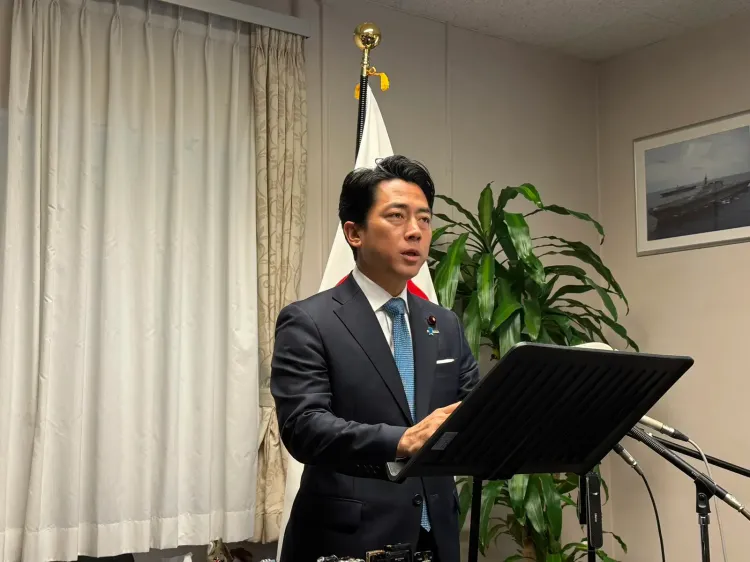
North Korea on 11 August condemned Japan's latest defence white paper, calling it a justification for 'the operation of war machine.' Analyst Kang Won-chol published the critique in KCNA and Rodong Sinmun , accusing Japan of 'groundlessly' labelling North Korea a 'serious and imminent threat.' Defence Minister Shinjiro Koizumi was singled out for calling to strengthen Japan's military capabilities after the white paper's release.
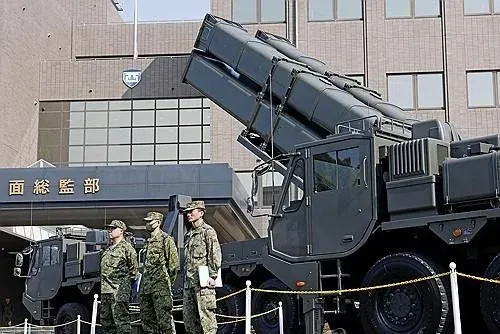
Japan's white paper, the first under the Sanae Takaichi government, calls for modernisation through drones and AI , and closer allied cooperation.
South Korea's unification ministry dismissed the criticism as an 'annual' occurrence, framing it as Pyongyang's bid to justify its nuclear programme and align with China and Russia .
North Korea on Tuesday, 11 August sharply condemned Japan's latest defence white paper, calling it a manufactured justification for Tokyo's accelerating military expansion and branding it a legal framework for what Pyongyang described as 'the operation of war machine.'
Pyongyang's Core Accusation
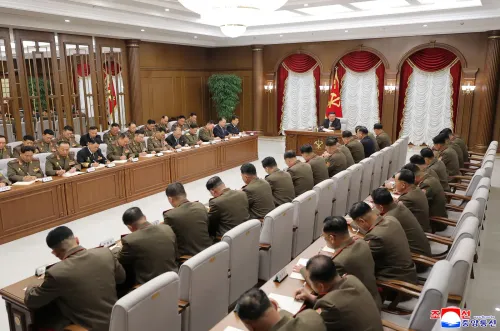
Kang Won-chol, identified as an international security analyst, laid out Pyongyang's position in an article published simultaneously by the Korean Central News Agency (KCNA) and Rodong Sinmun, North Korea's most widely circulated state newspaper. Kang argued that Japan had 'groundlessly' labelled North Korea a 'serious and imminent threat' in the white paper to rationalise what he called a 'reckless' military buildup.
'It is nothing but an act of turning black into white that Japan stipulated the ‘threat’ from neighbouring countries in the white paper although it has been putting spurs to the tightening of the alliance with the U.S. and its followers after setting it as a ‘state policy’ to negate its past crimes and realise its ambition to become a military power,' Kang wrote.
Koizumi Singled Out
Kang specifically cited Japanese Defence Minister Shinjiro Koizumi's public call to strengthen Japan's military capabilities following the white paper's release as direct evidence of Tokyo's militarisation drive. 'This clearly shows how desperately he is pushing Japan into following an extremely dangerous road in the vanguard for militarisation,' Kang argued. He further warned that no framing of Japan's actions as 'defence' would, in his words, 'conceal its true colours as a root cause of endangering the peace and escalating the tensions in the region.'
North Korea's Counter-Justification
Kang also used the article to defend North Korea's own military expansion, contending that bolstering its capabilities was a necessary deterrent against what Pyongyang characterised as the hostile intentions of other nations. This mirrors a pattern Pyongyang has consistently employed — framing its weapons programme as a reactive, defensive measure rather than an offensive posture.
What Japan's White Paper Actually Said
Japan published its first defence white paper under the Sanae Takaichi government last Tuesday. The document called for military modernisation centred on integrating advanced technologies — including drones and artificial intelligence — and deepening cooperation with allied nations to address what Tokyo described as growing regional security challenges.
Seoul's Measured Response
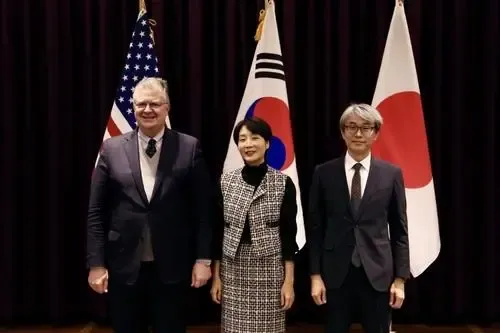
An official at South Korea's unification ministry played down Pyongyang's reaction, describing it as an 'annual' occurrence. 'North Korea's criticism of Japan's defence white paper is not unusual in itself,' the official said, while noting a recent uptick in the volume and intensity of such criticism, including Pyongyang's escalating condemnation of trilateral security cooperation among South Korea, the United States, and Japan. The official added that Seoul viewed the outburst as 'Pyongyang's attempt to justify its nuclear weapons program and align itself with China and Russia,' and said the ministry would continue to monitor developments closely.
The exchange underscores deepening fault lines in Northeast Asian security, with Japan's defence posture, North Korea's weapons programme, and the evolving US-Japan-South Korea trilateral framework increasingly driving regional tensions.
Point of View
Aimed domestically at legitimising its weapons programme and externally at reinforcing its alignment with Beijing and Moscow. Seoul's dismissal as 'annual' is accurate on precedent but risks understating how the cumulative pressure from all sides is reshaping the region's security architecture faster than diplomatic channels can absorb.
NationPress
25 Sept 2026
Frequently Asked Questions
Why did North Korea condemn Japan's defence white paper?
North Korea accused Japan of using the white paper to fabricate a threat narrative around Pyongyang and justify a broader military buildup. State analyst Kang Won-chol argued that Japan had 'groundlessly' labelled North Korea a 'serious and imminent threat' to rationalise what Pyongyang called a 'reckless' expansion of its armed forces.
What does Japan's latest defence white paper contain?
Japan's first defence white paper under the Sanae Takaichi government calls for military modernisation through drones and artificial intelligence, and advocates closer cooperation with allied nations to address growing regional security concerns. It was published last Tuesday.
How did South Korea respond to North Korea's criticism?
South Korea's unification ministry described the criticism as an 'annual' occurrence and said it did not place much weight on it. An official said Seoul views the outburst as Pyongyang's attempt to justify its nuclear weapons programme and align itself with China and Russia.
Who is Kang Won-chol and why does his article matter?
Kang Won-chol is described as an international security analyst whose article was published by both KCNA and Rodong Sinmun — North Korea's primary state news outlets — giving it the weight of an official Pyongyang position rather than a fringe commentary.
What is the broader significance of this dispute?
The exchange reflects deepening tensions in Northeast Asia, where Japan's historic defence expansion, North Korea's advancing weapons programme, and the strengthening US-Japan-South Korea trilateral security framework are collectively reshaping the region's strategic balance.