North Korea vows to deter Freedom Flag air drills with force
Synopsis
North Korea's defence ministry didn't just protest Freedom Flag — it explicitly threatened military force, the same day that Pyongyang fired around 10 short-range ballistic missiles from Wonsan. With the drill still running, a DMZ mine blast unresolved, and trilateral US-South Korea-Japan consultations now activated, the Korean Peninsula is in one of its most volatile stretches this year.
Key Takeaways
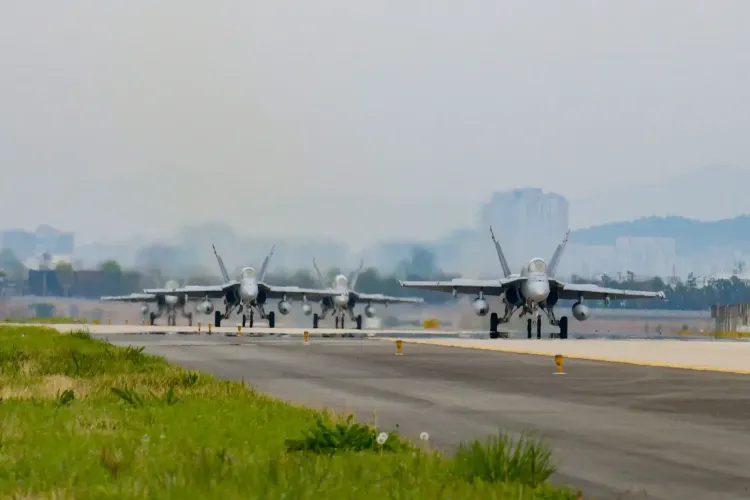
North Korea warned on Friday, 31 October 2026 that it would 'thoroughly deter' the Freedom Flag joint air exercise 'with force.' The biannual Freedom Flag exercise, launched on 26 October , runs for two weeks and involves combined South Korean and US air forces.
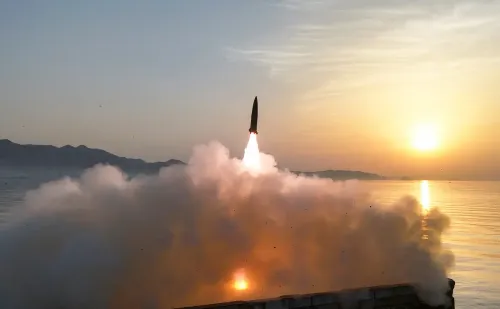
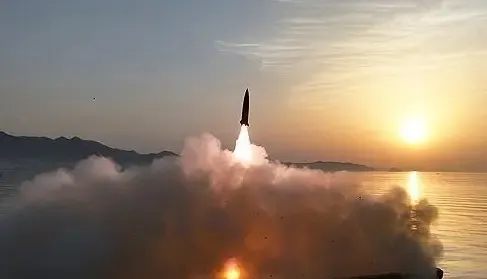
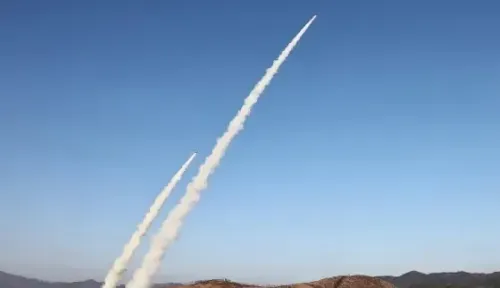
On Thursday , North Korea fired approximately 10 short-range ballistic missiles from the Wonsan area into the East Sea , per South Korea's Joint Chiefs of Staff .
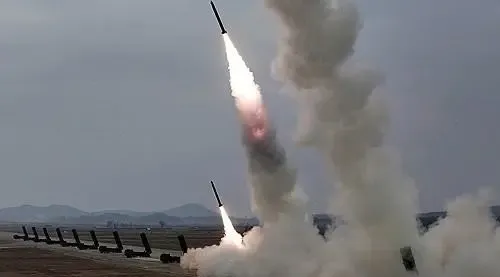
Pyongyang said the launches involved a 600-millimetre multiple rocket launcher , tactical cruise missiles, and air-to-surface missiles.
Senior diplomats from South Korea , the US , and Japan held emergency phone consultations on Friday to coordinate responses.
Tensions have been rising since a DMZ land mine blast last month that injured three South Korean soldiers .
North Korea on Friday, 31 October 2026 publicly condemned the joint air exercise Freedom Flag being conducted by South Korea and the United States, warning that Pyongyang's armed forces would 'thoroughly deter threats with force' — its starkest response yet to the biannual drill. The statement, carried by the North's official Korean Central News Agency (KCNA), came as allied forces entered the second week of the two-week exercise that launched on 26 October.
What North Korea Said
A spokesperson at North Korea's defence ministry accused Washington and Seoul of launching 'provocative large-scale joint air drills' by mobilising 'huge air forces,' including air refuelling tankers and attack drones. The statement argued these assets contradicted the allies' stated defensive rationale.
'Our armed forces will thoroughly deter threats with force and only act in such manner that the enemy states can understand,' the statement read, according to KCNA.
About Freedom Flag and Why Pyongyang Objects
Freedom Flag is a biannual exercise designed to enhance combined interoperability between South Korean and US forces, aiming to strengthen joint response capabilities. The allies consistently describe it as defensive in nature. North Korea, however, has long framed such drills as rehearsals for an invasion — a characterisation the allies reject.
This pattern of denunciation is well established: Pyongyang has condemned every major US-South Korea joint exercise for decades, typically escalating its rhetoric when exercises involve larger force packages or advanced assets.
North Korea's Missile Launches the Previous Day
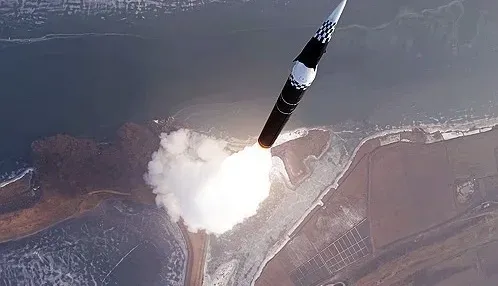
The verbal escalation followed a significant weapons demonstration on Thursday, when North Korea fired approximately 10 short-range ballistic missiles from the Wonsan area toward the East Sea, according to South Korea's Joint Chiefs of Staff (JCS). Pyongyang's state media subsequently described the launch as involving a 600-millimetre multiple rocket launcher, tactical cruise missiles, and air-to-surface missiles.
The timing was notable: the launches came roughly a week after Seoul proposed holding military talks with Pyongyang to resolve inter-Korean border tensions, a proposal that has so far gone unanswered.
Seoul, Washington, Tokyo Coordinate Response
Senior diplomats from South Korea, the United States, and Japan held telephone consultations on Friday to share assessments and discuss responses. Baek Yong-jin, director general for Korean Peninsula policy at Seoul's foreign ministry, spoke with David Wilezol, deputy assistant secretary for Northeast Asia at the US State Department, and Takashi Ariyoshi, a senior official at Japan's foreign ministry.
'The foreign affairs authorities of the three countries operate a channel for promptly sharing information and assessments whenever North Korea launches ballistic missiles,' the South Korean foreign ministry said in a press release.
Broader Context: Rising Tensions on the Peninsula
Tensions along the inter-Korean border have been building since last month's land mine blast inside the Demilitarised Zone (DMZ) that injured three South Korean soldiers. That incident prompted Seoul's proposal for military-to-military talks — an offer Pyongyang has not formally responded to. The latest missile launches and the sharp KCNA statement suggest the North is prioritising a show of force over diplomacy for now.
With Freedom Flag running until early November and trilateral consultations ongoing, the risk of further provocations from Pyongyang remains elevated over the coming days.
Point of View
Not an outlier — Pyongyang consistently uses allied exercises as a diplomatic pressure valve. What is notable this time is the convergence of a verbal threat, a double-digit missile salvo, and an unanswered South Korean offer of military talks, all within the same week. The DMZ mine blast remains uninvestigated and unattributed publicly, leaving a combustible grievance on the table. The trilateral Seoul-Washington-Tokyo channel signals coordination, but the absence of any back-channel response from Pyongyang to Seoul's talks proposal suggests the North prefers coercive signalling to diplomacy — at least while Freedom Flag continues.
NationPress
30 Oct 2026
Frequently Asked Questions
What is the Freedom Flag exercise that North Korea is objecting to?
Freedom Flag is a biannual combined air exercise between South Korea and the United States, designed to enhance joint interoperability and response capabilities. The current edition launched on 26 October and runs for two weeks; the allies describe it as defensive, while North Korea calls it a rehearsal for invasion.
What missiles did North Korea fire on Thursday?
North Korea fired approximately 10 short-range ballistic missiles from the Wonsan area toward the East Sea on Thursday, according to South Korea's Joint Chiefs of Staff. Pyongyang's own state media said the launches involved a 600-millimetre multiple rocket launcher, tactical cruise missiles, and air-to-surface missiles.
How did South Korea, the US, and Japan respond?
Senior diplomats from the three countries held telephone consultations on Friday to share information and coordinate responses. South Korea's Baek Yong-jin, the US State Department's David Wilezol, and Japan's Takashi Ariyoshi participated in the call, which the South Korean foreign ministry described as part of a standing rapid-information-sharing channel.
Why are inter-Korean tensions particularly high right now?
Tensions have escalated since last month's land mine explosion inside the Demilitarised Zone (DMZ) that injured three South Korean soldiers. Seoul subsequently proposed military talks with Pyongyang to address border differences, but the North has not responded, and this week's missile launches and fiery KCNA statement suggest Pyongyang is opting for coercive signalling over dialogue.
Has North Korea made similar threats over joint US-South Korea drills before?
Yes. Pyongyang has routinely denounced US-South Korea joint exercises for decades, consistently framing them as invasion rehearsals. The latest condemnation fits a well-established pattern, though the simultaneous missile launches and explicit threat to 'deter with force' represent a sharper escalatory pitch than standard protest statements.