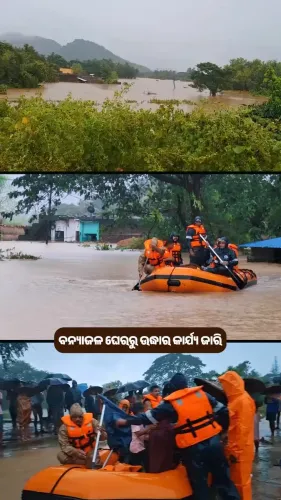
Odisha CMO Speeds Up Cyclone Recovery, Restoring Roads and Services

Synopsis
The Chief Minister's Office of Odisha announced on October 30, 2026 that recovery operations in cyclone-hit areas are being ramped up, with rapid relief to residents and the restoration of roads and essential services designated as the highest priority.
Key Takeaways
The Chief Minister's Office of Odisha declared on October 30, 2026 that cyclone recovery work is being accelerated.
Restoring roads and essential services has been given the highest administrative priority.
Swift assistance to cyclone-affected residents is being delivered simultaneously alongside infrastructure repair.
Odisha is one of India's most cyclone-prone states, sitting on the Bay of Bengal coast.
The state overhauled its disaster-response systems after the 1999 Super Cyclone and is regarded as a national model for rapid recovery protocols.
Timelines for full utility restoration and any formal relief package announcement remain to be confirmed.
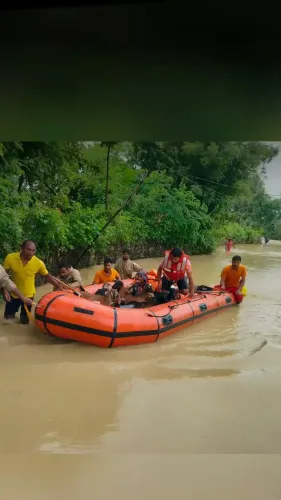
With cyclone-battered communities still reeling, the Chief Minister's Office of Odisha declared on Friday, October 30, 2026 that recovery operations are being accelerated across affected areas — placing the restoration of roads and essential services at the very top of the priority list.
The office posted in Odia: 'ବାତ୍ୟା ପ୍ରଭାବିତ ଅଞ୍ଚଳରେ ଜନଜୀବନକୁ ସ୍ୱାଭାବିକ କରିବା ଲକ୍ଷ୍ୟରେ ପୁନରୁଦ୍ଧାର କାର୍ଯ୍ୟ ତ୍ୱରାନ୍ୱିତ କରାଯାଉଛି' — translating to: 'Recovery work is being accelerated with the goal of normalising life in cyclone-affected areas. Providing swift assistance to affected people, along with restoring roads and essential services, is being given the highest priority.'
Odisha's Coastal Vulnerability and the Weight of That Word 'Priority'
Odisha sits squarely in the Bay of Bengal's cyclone corridor — one of the most storm-exposed coastlines in South Asia. The state's painful education in disaster management dates back to the catastrophic 1999 Super Cyclone, which killed more than 10,000 people and left entire districts in ruins. That calamity forced a fundamental rethink: Odisha rebuilt itself into a model of early-warning systems, pre-positioned relief, and rapid restoration protocols that other Indian states have since studied.
When the CMO signals that road connectivity and essential services — power, water, medical access — are the 'highest priority', that language carries administrative muscle behind it. It means district collectors, the National Disaster Response Force, and state agencies are already in the field, working against the clock.
What 'Restoring Normal Life' Actually Means on the Ground
In cyclone response, the phrase 'normal life' is a measurable benchmark, not a vague aspiration. It means downed electricity lines back live, washed-out roads re-opened for supply trucks, drinking-water systems decontaminated, and relief camps transitioning to home returns. The CMO's emphasis on 'swift assistance' to affected residents signals that immediate cash transfers, food kits, and temporary shelter remain active priorities alongside the slower work of infrastructure repair.
The state government has regularly issued such public updates after major weather events — a practice that serves both as administrative accountability and as a signal to affected populations that the machinery of response is moving. Eyes will now turn to how quickly road access is restored in the most isolated coastal and interior blocks, and whether a formal relief package announcement follows in the coming days.
Point of View
Relief, medical aid, and economic normalcy all stall. Watch for a formal district-level relief package announcement, which typically follows within days of such operational updates and defines the political narrative around the recovery.
NationPress
30 Oct 2026
Frequently Asked Questions
What is the Odisha government doing after the cyclone in 2026?
The Chief Minister's Office of Odisha announced on October 30, 2026 that recovery operations are being accelerated in cyclone-affected areas, with the restoration of roads and essential services — power, water, and medical access — designated as the highest priority alongside swift relief to affected residents.
Why is Odisha so frequently affected by cyclones?
Odisha lies on India's eastern coastline along the Bay of Bengal, one of the world's most active cyclone basins. The state experiences tropical cyclones almost every year, making it one of India's most storm-exposed regions.
How has Odisha improved its cyclone disaster response over the years?
Following the devastating 1999 Super Cyclone, Odisha overhauled its disaster management framework — building early-warning systems, rapid deployment protocols for the National Disaster Response Force, and structured plans for restoring essential services quickly. The state is now widely regarded as a national model for cyclone preparedness.
What does 'restoring essential services' mean after a cyclone in Odisha?
It refers to reactivating electricity supply, repairing or clearing roads for relief trucks and civilian movement, restoring safe drinking water, and ensuring medical facilities are operational — the critical pillars of normal life in affected districts.
Will there be a relief package for cyclone-affected people in Odisha?
The CMO's update focuses on immediate relief and infrastructure restoration. Formal relief package announcements — typically covering cash transfers, food aid, and housing support — usually follow operational updates like this one within days, but no specific package had been declared in this post.