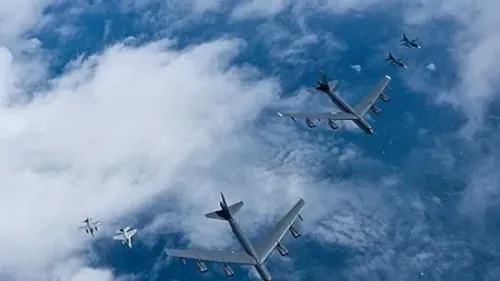
South Korea confirms Freedom Edge drills with US, Japan on schedule despite North Korea criticism
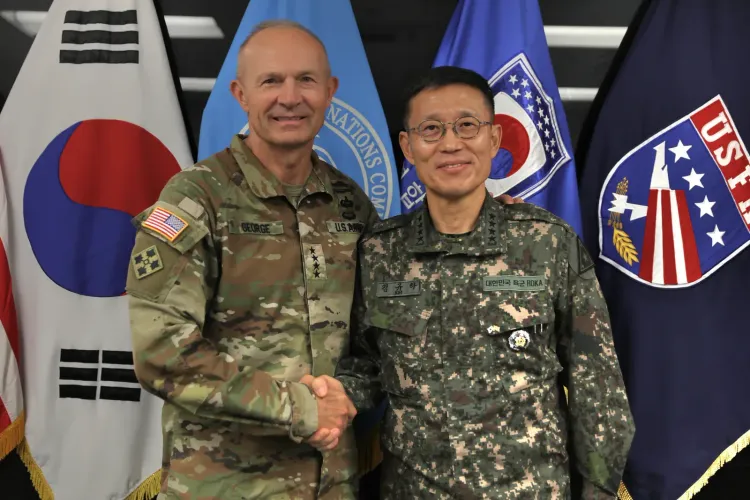
Synopsis
Despite North Korea branding them war rehearsals and Trump's Pentagon already scaling back a separate allied exercise, South Korea is holding the line on Freedom Edge — the four-nation-tested symbol of Camp David security cooperation. Pyongyang's latest statement reads less like a protest and more like a probe of Trump's willingness to trade alliance commitments for a Kim dialogue.
Key Takeaways
South Korea's Joint Chiefs of Staff confirmed the Freedom Edge exercise with the US and Japan will run from 7 to 11 September with no schedule changes.
North Korea's foreign ministry on Monday called the drills 'pointless' and warned against expecting tension relief on the Korean Peninsula .
Freedom Edge is in its fourth iteration, originating as a key outcome of the Camp David trilateral summit in August 2023 .
Seoul and Washington recently reduced the scope of the Ulchi Freedom Shield exercise after President Trump ordered the Pentagon to 'significantly' scale it back.
Analysts suggest Pyongyang's statement may be testing whether Trump would modify military commitments to restart dialogue with Kim Jong-un .
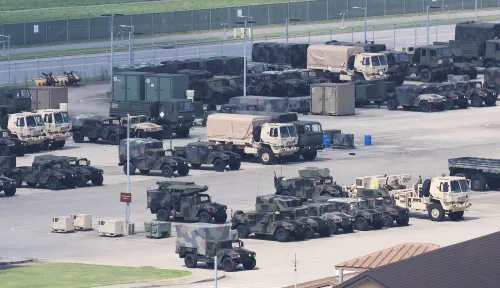
South Korea's military on Tuesday, 1 September reaffirmed that the trilateral Freedom Edge combined exercise with the United States and Japan will proceed as planned from 7 to 11 September, brushing aside North Korea's latest condemnation of the drills as an act of escalating hostility.
What Seoul Said
Captain Jang Do-young, spokesperson for South Korea's Joint Chiefs of Staff, stated at a press briefing: 'This exercise is an annual defensive drill conducted by South Korea, the US, and Japan to counter North Korean nuclear and missile threats, and safeguard regional peace and stability.' He added, 'There are no changes to the schedule so far.'
The three nations had announced last week that the multidomain exercise would be conducted in international waters east and south of Jeju, South Korea's southern island.
North Korea's Objection
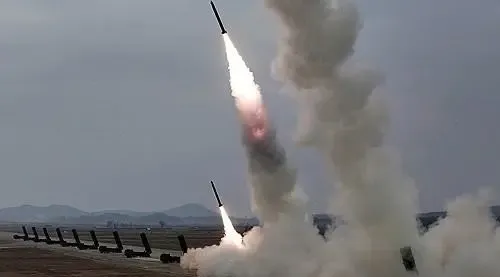
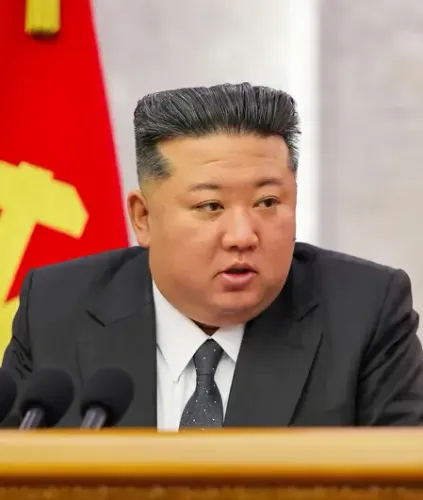
A spokesperson from North Korea's foreign ministry on Monday sharply criticised the Freedom Edge exercise, warning that it is 'pointless' to expect any easing of tensions on the Korean Peninsula as long as Washington maintains what Pyongyang characterises as a hostile policy toward the regime. North Korea has consistently branded allied joint military drills as war rehearsals.
Background: The Camp David Origins
Freedom Edge is now in its fourth iteration and stands as one of the key outcomes of the trilateral Camp David leaders' summit held in August 2023. The exercise is widely seen as a symbol of deepening institutionalised security cooperation among the three nations. The three previous editions were held in June and November 2024, and in September of last year.
The Trump Factor
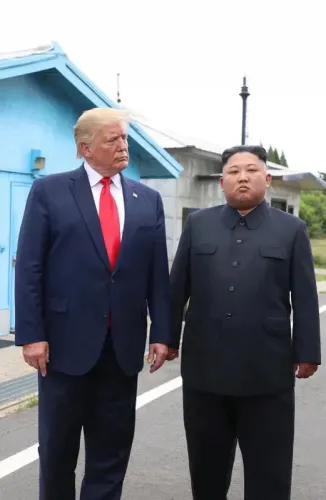
The reaffirmation comes against a notably complicated backdrop. Seoul and Washington recently scaled back their Ulchi Freedom Shield exercise after US President Donald Trump ordered the Pentagon to 'significantly' reduce the drills. Some analysts view Pyongyang's latest statement as a calibrated test — gauging whether Trump would be willing to modify military commitments with Seoul in exchange for renewed dialogue with North Korean leader Kim Jong-un.
This comes amid broader uncertainty over the future of US alliance commitments in Asia under the Trump administration, making Seoul's firm stance on Freedom Edge a pointed signal of continuity.
What to Watch
With the exercise set to begin on 7 September, attention will turn to whether Pyongyang responds with a provocative action — a pattern observed in previous trilateral drill cycles. Any diplomatic overture from Washington toward Kim Jong-un in the coming weeks could reshape the security calculus on the peninsula significantly.
Point of View
South Korea is visibly anxious that alliance commitments could be traded away in a bilateral Trump-Kim reset. North Korea's timing is not accidental — it is probing the seams of an alliance under transactional pressure. The real question is not whether Freedom Edge proceeds in September, but whether it exists in its current form by 2026 if Trump pursues a deal with Kim. Seoul's insistence on Camp David's institutional legacy is a hedge against exactly that scenario.
NationPress
16 Oct 2026
Frequently Asked Questions
What is the Freedom Edge exercise?
Freedom Edge is an annual multidomain combined military exercise conducted by South Korea, the United States, and Japan. It was established as a key outcome of the Camp David trilateral leaders' summit in August 2023 and is designed to counter North Korean nuclear and missile threats while reinforcing regional security cooperation.
When and where will Freedom Edge 2025 take place?
The exercise is scheduled from 7 to 11 September 2025, conducted in international waters east and south of Jeju, South Korea's southern island. South Korea's Joint Chiefs of Staff confirmed there are no changes to the schedule.
Why is North Korea criticising the Freedom Edge drills?
North Korea's foreign ministry called the drills a sign of escalating hostility and warned that expecting tension relief on the Korean Peninsula is 'pointless' while Washington maintains its current policy toward Pyongyang. North Korea routinely condemns allied joint exercises as war rehearsals.
How does Trump's Pentagon stance affect these drills?
The US recently scaled back the separate Ulchi Freedom Shield exercise after President Trump ordered the Pentagon to 'significantly' reduce allied drills. Some analysts believe Pyongyang's latest criticism is partly a test of whether Trump would similarly modify Freedom Edge commitments to pursue dialogue with Kim Jong-un.
How many times has Freedom Edge been held before?
This is the fourth iteration of Freedom Edge. The three previous exercises were held in June and November 2024, and in September of the preceding year, making it a relatively new but rapidly institutionalised format.