North Korea rejects Seoul's medical aid offer, calls it 'insult' and provocation
Synopsis
Kim Yo-jong's blistering rejection of Seoul's medical aid shipment — months in the making, UN-sanctioned, and covering 1,431 items — signals that even humanitarian gestures are now treated as acts of aggression in Pyongyang. With dialogue channels effectively dead and a mine-explosion controversy still raw, the Korean peninsula's diplomatic freeze shows no sign of thawing.
Key Takeaways
Kim Yo-jong rejected South Korea's humanitarian medical shipment on 8 October , calling it “an insult” and a “political provocation.” Seoul had planned to send 1,431 medical items across 166 categories to a Pyongyang hospital for diagnosis, surgery, and treatment.
The unification ministry had secured a UN Security Council sanctions exemption in May for the shipment.
Kim linked the aid offer to Seoul's finding that North Korean mines caused the 21 September explosions that wounded three South Korean soldiers — a finding Pyongyang has also denied.
A South Korean official said chances of completing the shipment as planned are slim; the government will seek another UN extension.
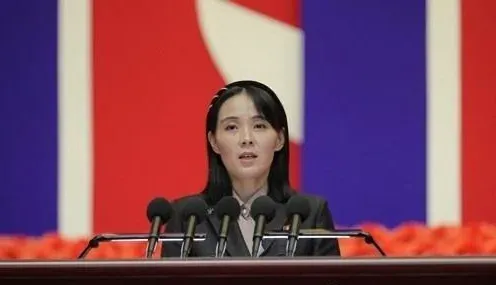
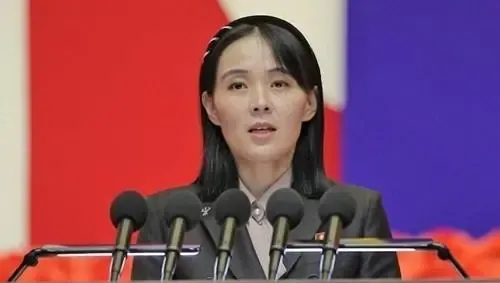
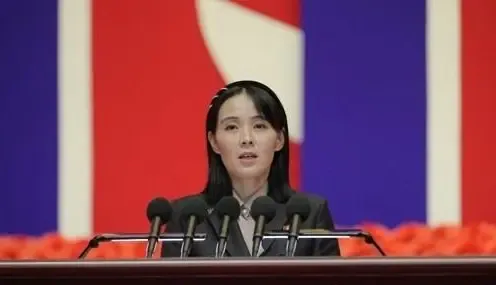
Kim Yo-jong, the influential sister of North Korean leader Kim Jong-un, on Thursday, 8 October flatly rejected South Korea's planned humanitarian shipment of medical supplies, calling it “an insult” and a “political provocation.” The remarks, carried by the state-run Korean Central News Agency (KCNA), mark a sharp rebuff to Seoul's attempt at a rare goodwill gesture amid deeply strained inter-Korean relations.
What Seoul Had Planned
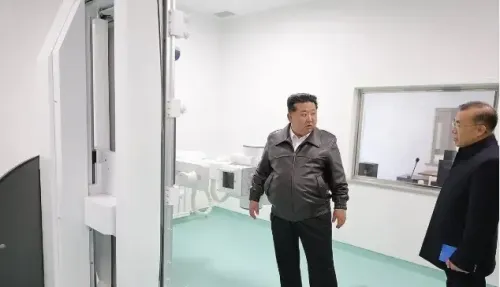
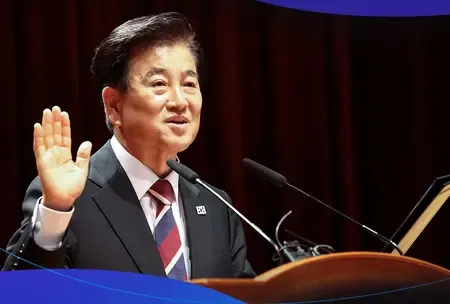
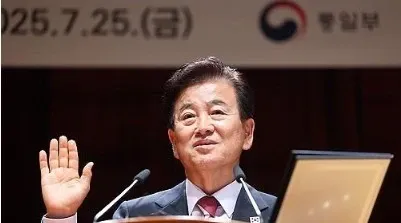
South Korea's unification ministry had announced plans to send 1,431 medical items spanning 166 categories to a hospital in Pyongyang, covering equipment necessary for diagnosis, surgery, and treatment. The shipment was framed as part of a humanitarian medical support programme. Crucially, the ministry had secured a sanctions exemption as early as May from the UN Security Council's North Korea sanctions committee, according to reports, indicating months of quiet preparation before the plan became public.
Pyongyang's Response in Kim Yo-jong's Own Words
Kim dismissed the initiative in unsparing language. “This is an insult to our state and mutant political-motivated provocation against it and a grave encroachment upon our national law,” she said, characterising the move as “a noisy and ugly act” and “another farce.”
She linked the aid offer to an earlier controversy, drawing a direct parallel with Seoul's official finding that North Korean mines caused the 21 September explosions that wounded three South Korean soldiers — a conclusion Pyongyang had already dismissed as a “farce.” “Now when it is impossible to expect a good box-office record from their poor farce, they have created another farce titled ‘a scenario for aiding medical equipment,’ the part 2 of the ‘mine explosion case,’” Kim said.
No Dialogue, No Engagement — Pyongyang's Stated Position
Kim reiterated that North Korea has no interest in engaging with Seoul. “We have nothing to exchange or go with the ROK and no need to face to face with it,” she said, using the Republic of Korea's official acronym. She added: “There will be no change in the true colours of the ROK, most hostile to the DPRK, and the hostile nature of the DPRK-ROK relations.”
Slim Chances and a UN Extension in the Works
The rejection was not entirely unexpected. Earlier on Thursday, a unification ministry official had conceded that the chances of shipping the items as planned were slim, and that the government would seek another extension from the United Nations. With inter-Korean communication and dialogue channels virtually non-existent amid worsening ties, analysts had questioned whether Pyongyang would accept any overture from the South.
This episode underscores a widening impasse on the Korean peninsula, where even routine humanitarian gestures are now weaponised as diplomatic flashpoints. The fate of the medical shipment — and any near-term prospect of inter-Korean engagement — now hinges on Seoul's next move at the UN.
Point of View
Treating both as weapons of political warfare rather than separate matters. That conflation is deliberate — it signals Pyongyang's intent to refuse any South Korean gesture regardless of its nature, ensuring no goodwill can be banked. What mainstream coverage underplays is the UN angle: Seoul spent months obtaining a sanctions exemption, a rare and laborious diplomatic feat, only to be rebuffed publicly and contemptuously. The move leaves Seoul in an awkward position — escalating rhetoric risks destabilising an already fragile peninsula, while doing nothing vindicates Pyongyang's posture that engagement is futile on its own terms.
NationPress
8 Oct 2026
Frequently Asked Questions
Why did North Korea reject South Korea's medical aid offer?
North Korea's Kim Yo-jong called the planned shipment “an insult” and a “political provocation,” framing it as a provocative act rather than a humanitarian gesture. She linked it to the ongoing dispute over the 21 September mine explosions that wounded South Korean soldiers, dismissing both as “farces.”
What medical supplies was South Korea planning to send to North Korea?
South Korea's unification ministry planned to ship 1,431 medical items covering 166 categories to a hospital in Pyongyang , including equipment for diagnosis, surgery, and treatment. The shipment was part of a humanitarian medical support programme and had received a UN sanctions exemption in May.
Who is Kim Yo-jong and why does her statement matter?
Kim Yo-jong is the sister of North Korean leader Kim Jong-un and one of the most powerful figures in Pyongyang's inner circle. Her public statements, issued through state media KCNA , are widely regarded as reflecting official North Korean policy positions.
What happens next with the medical aid shipment?
A South Korean unification ministry official has said the chances of completing the shipment as planned are slim, and the government intends to seek another extension from the United Nations . The outcome depends on diplomatic steps Seoul takes at the UN level.
How does this fit into the broader state of inter-Korean relations?
Inter-Korean dialogue channels are virtually non-existent amid deeply soured ties. Pyongyang has repeatedly stated it has no intention of engaging with Seoul , and Kim Yo-jong reiterated on Thursday that relations remain fundamentally hostile. The rejection of a UN-cleared humanitarian offer marks a further deterioration.