RSS chief Mohan Bhagwat's Canada visit: 100+ Hindu groups urge Carney to allow entry
Synopsis
Over 100 Canadian Hindu and civil liberties organisations have written jointly to PM Mark Carney urging that RSS chief Mohan Bhagwat be allowed to visit Canada, calling NDP MPs' demands to bar him unsubstantiated and politically driven. The standoff exposes a sharp fault line in Canadian multiculturalism — and puts the Carney government in the middle of a diaspora dispute with no easy exit.
Key Takeaways
More than 100 Canadian Hindu and civil liberties organisations have jointly written to PM Mark Carney urging that RSS chief Mohan Bhagwat be allowed to visit Canada.
NDP MPs Jenny Kwan and Heather McPherson had reportedly demanded Bhagwat be declared inadmissible, citing allegations of hate speech and extremist associations.
The signatories argue any decision must be based on credible evidence and due process , not political pressure.
Canada's Hindu community is estimated at more than one million people ; the letter warns that barring Bhagwat could be perceived as Hinduphobia .
The letter was signed by 101 named organisations , with the closing section claiming to represent more than 500 groups in total.
The Carney government had not publicly responded as of the time of the report.
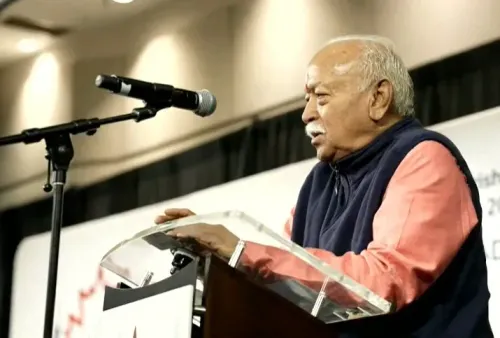
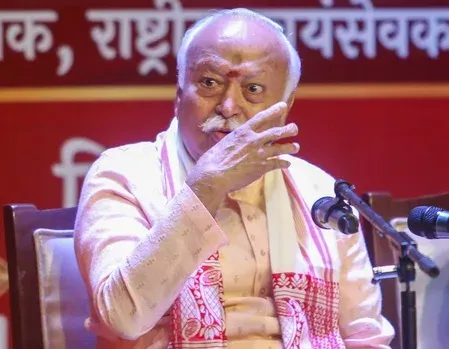
More than 100 Canadian Hindu and civil liberties organisations have jointly urged Prime Minister Mark Carney's government to permit Rashtriya Swayamsevak Sangh (RSS) chief Mohan Bhagwat to visit Canada, pushing back firmly against calls to bar him from entering the country. The groups argue that any immigration or public-safety decision involving Bhagwat must rest on credible evidence and due process — not political pressure.
The joint letter was addressed to Carney and three senior ministers: Public Safety Minister Gary Anandasangaree, Immigration Minister Lena Metlege Diab, and Foreign Affairs Minister Anita Anand.
What Prompted the Letter
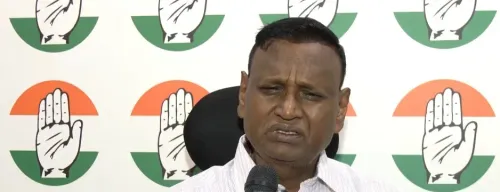
The appeal comes in response to demands by New Democratic Party (NDP) MPs Jenny Kwan and Heather McPherson, along with several organisations, asking the Canadian government to declare Bhagwat inadmissible and prevent his entry. According to the signatories, the two MPs have reportedly accused Bhagwat of a history of hate speech, advocating violence against religious minorities, engaging in targeted intimidation, and maintaining associations with criminal or listed terrorist organisations.
The letter does not dispute the right to raise concerns, but insists those allegations must meet a legal evidentiary standard before influencing government policy. 'These are exceptionally serious allegations. They should not be treated as political rhetoric or established as fact without clear, credible and independently verifiable evidence,' the letter states.
The Case for Bhagwat's Visit
The signatories described Bhagwat's proposed visit as significant to Canada's Hindu community, which they estimate at more than one million people. They characterised the RSS as a major Indian volunteer organisation engaged in community service, social initiatives, cultural activities, and public discourse. The RSS was founded in India in 1925 and Bhagwat has served as its Sarsanghchalak, or chief, since 2009.
The groups also challenged assertions that Bhagwat's presence would cause 'social disorder' or pose a threat to Canadians, calling such claims speculative. They argued that barring a visiting leader on unproven grounds would raise serious questions about pluralism, freedom of expression, and freedom of religion under Canadian law.
Concerns Over Anti-Hindu Prejudice
'Many Canadian Hindus may understandably perceive the campaign against Mr. Bhagwat as reflecting anti-Hindu prejudice or Hinduphobia,' the letter warned. The organisations drew a distinction between legitimate political disagreement — which they acknowledged as valid — and what they characterised as an effort to silence a community's right to welcome its own cultural and spiritual leaders.
The letter also cautioned that the views of individual MPs or organisations should not be presented as representative of all Canadians or all Canadian Hindus.
Who Signed and What They Want
The document lists 101 organisations, including the Canada India Foundation, Canadian Hindu Chamber of Commerce, Hindu Swayamsevak Sangh, VHP Canada, BAPS INC, and the Hindu Sikh Unity Forum Canada, alongside several temples and regional community associations. Its introductory passage references 'more than 101+' organisations, while the closing section claims the signatories collectively represent more than 500 organisations and civil liberties groups.
The groups called on the opposing MPs and organisations to formally submit any evidence they hold to established Canadian legal and governmental processes for proper assessment. 'Canada needs more dialogue, not division; more evidence, not allegations; more due process, not political pressure,' the letter concluded.
The Carney government has not yet publicly responded to the letter. How Ottawa navigates the competing demands will be closely watched by both Canada's Hindu diaspora and broader civil liberties advocates.
Point of View
And that sentiment — whether or not one agrees with the RSS's ideology — carries real electoral weight in constituencies with large South Asian populations. The NDP MPs' allegations are serious, but the letter is correct that serious allegations require serious evidence, not parliamentary declarations. The Carney government faces a test of institutional consistency: if it acts on political pressure alone, it sets a precedent that cuts across communities. Canada's multicultural framework was never designed to be selectively applied, and Ottawa's response here will be read as a signal far beyond this single visa decision.
NationPress
3 Oct 2026
Frequently Asked Questions
Why are Canadian Hindu groups writing to PM Mark Carney about Mohan Bhagwat?
More than 100 Canadian Hindu and civil liberties organisations have written to PM Mark Carney urging his government to allow RSS chief Mohan Bhagwat to visit Canada. The letter is a direct response to demands by NDP MPs Jenny Kwan and Heather McPherson, who have asked the government to declare Bhagwat inadmissible, citing allegations of hate speech and associations with extremist groups.
What allegations have been made against Mohan Bhagwat in Canada?
According to the joint letter, NDP MPs Jenny Kwan and Heather McPherson have reportedly accused Bhagwat of a history of hate speech, advocating violence against religious minorities, engaging in targeted intimidation, and maintaining associations with criminal or listed terrorist organisations. The signatories insist these allegations must be backed by clear, credible, and independently verifiable evidence before influencing any government decision.
Who are the organisations that signed the letter to the Canadian government?
The letter lists 101 organisations, including the Canada India Foundation, Canadian Hindu Chamber of Commerce, Hindu Swayamsevak Sangh, VHP Canada, BAPS INC, and the Hindu Sikh Unity Forum Canada. The closing section of the letter claims the signatories collectively represent more than 500 organisations and civil liberties groups.
What is the RSS and who is Mohan Bhagwat?
The Rashtriya Swayamsevak Sangh (RSS) is a large Indian volunteer organisation founded in 1925, active in social, cultural, and public life. Mohan Bhagwat has served as its Sarsanghchalak, or chief, since 2009. The signatories describe it as engaged in community service, cultural activities, and public discourse.
Has the Canadian government responded to the letter?
The Carney government had not publicly responded to the joint letter as of the time of this report. The letter was addressed to PM Mark Carney and also sent to Public Safety Minister Gary Anandasangaree, Immigration Minister Lena Metlege Diab, and Foreign Affairs Minister Anita Anand.