100-year-old Hindu temple razed in Pakistan's Narowal for seminary expansion
Synopsis
A century-old Hindu temple in Pakistan's Narowal has been razed — allegedly to expand a neighbouring seminary — despite an earlier ETPB order cancelling the seminary's lease and directing eviction of illegal occupants. It follows the demolition of a 125-year-old Sikh gurdwara in Farooqabad just months earlier, pointing to a deepening pattern of unaddressed minority heritage destruction in Pakistan.
Key Takeaways
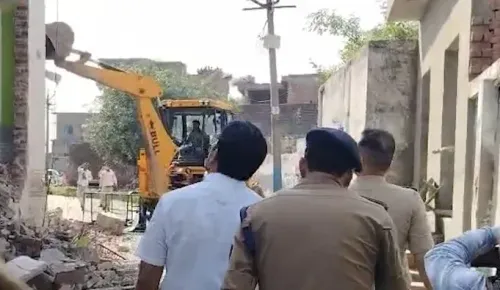
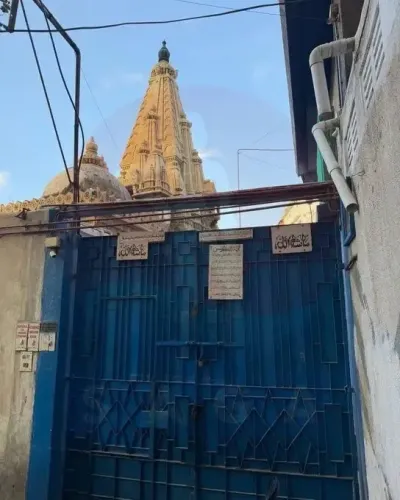
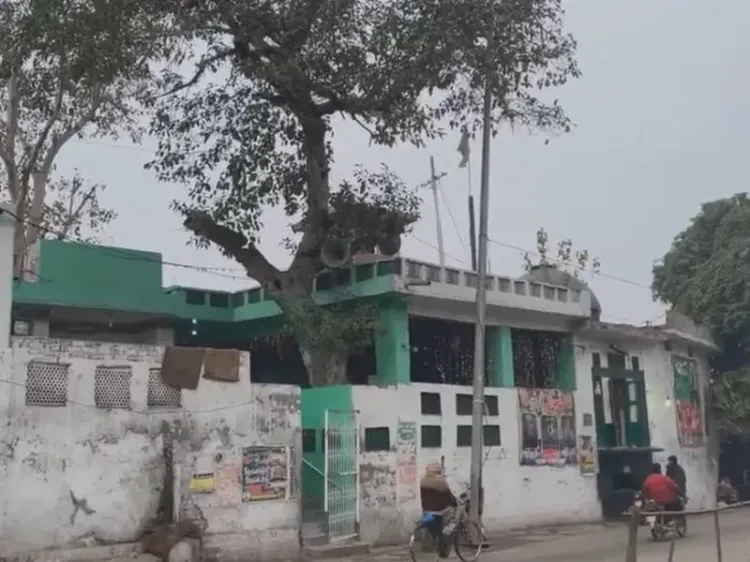
A 100-year-old Hindu temple in Siraj village, Narowal , Pakistan's Punjab was demolished on 21 August .
The PMMP alleges the demolition was carried out to expand an adjacent seminary on land whose lease had already been cancelled by the ETPB .
An ETPB Deputy Director order from January directing eviction of illegal occupants was reportedly never implemented.
PMMP Chairman Aslam Parvez Sahotra filed a written complaint with the Punjab Additional Home Secretary on 28 August .
In June , the 125-year-old Gurdwara Sri Guru Singh Sabha Sahib in Farooqabad was also partially demolished without legal clearance.
The PMMP has demanded reconstruction of the temple and stronger state protection for all minority religious properties.
A Hindu temple more than 100 years old was demolished in Siraj village, Narowal city, in Pakistan's Punjab province on 21 August, reportedly to make way for the expansion of an adjacent seminary. The Pakistan Masiha Millat Party (PMMP), a minority rights organisation, has called the demolition deliberate and demanded the temple be reconstructed in its original form.
What Happened
According to local media reports, a group of individuals carried out the demolition of the centuries-old temple in Siraj village. The PMMP has alleged the structure was razed specifically to allow the expansion of a neighbouring seminary on land originally leased by the Evacuee Trust Property Board (ETPB).
PMMP Chairman Aslam Parvez Sahotra said that the ETPB had previously leased the land adjacent to the temple to the seminary, but that the lease was later cancelled after rent went unpaid for several years. He added that portions of the property were subsequently occupied illegally.
Official Orders Ignored
Sahotra stated that the ETPB Deputy Director in Sialkot had issued an order in January cancelling the seminary's lease and directing the eviction of illegal occupants and sealing of the property. According to him, that order was 'never implemented.'
On 28 August, Sahotra and other local residents submitted a written application to the Punjab Additional Home Secretary, urging authorities to act against those responsible for the demolition and the officials who failed to protect the religious site.
PMMP Demands and Government Accountability
The PMMP has demanded the temple be rebuilt in its original form and called on the Punjab government to ensure the protection of temples, gurdwaras, churches, and their associated properties. The group has framed the incident as part of a broader pattern of institutional neglect toward Pakistan's religious minorities.
A Recurring Pattern
This comes amid a documented series of attacks on minority religious heritage in Pakistan. In June, the 125-year-old Gurdwara Sri Guru Singh Sabha Sahib in Farooqabad was partially demolished by a local businessman who reportedly proceeded without legal clearance or a court order. Authorities acknowledged the demolition only after Sikh residents of Farooqabad took to the streets in protest.
Reports noted that an official later admitted the department had failed to take notice of the incident until the community mobilised. Critics argue the episode — like the Narowal demolition — reflects a systemic failure to enforce existing protections for minority religious sites in Pakistan.
The back-to-back incidents have drawn renewed attention to the condition of minority heritage properties across Pakistan, many of which fall under the jurisdiction of the ETPB, and to questions about whether that body's oversight mechanisms are functioning.
Point of View
And a longer history of minority heritage erosion in Pakistan. What makes this case particularly damning is not the demolition itself but the paper trail: an ETPB order cancelling the lease and directing eviction existed since January and was, by the PMMP's account, simply ignored. That is not administrative failure — it is a choice. Pakistan's minority protection framework has the legal architecture; what is consistently absent is enforcement. Until accountability attaches to officials who allow such orders to gather dust, the cycle will repeat.
NationPress
17 Oct 2026
Frequently Asked Questions
Which Hindu temple was demolished in Pakistan and when?
A Hindu temple over 100 years old in Siraj village, Narowal city, in Pakistan's Punjab province was demolished on 21 August. The Pakistan Masiha Millat Party has alleged it was razed to facilitate the expansion of an adjacent seminary.
Who is responsible for the Narowal temple demolition?
According to the PMMP, a group of individuals carried out the demolition. The minority rights group has filed a complaint with the Punjab Additional Home Secretary seeking action against those behind the demolition and officials who failed to protect the site.
What is the ETPB and what role did it play?
The Evacuee Trust Property Board (ETPB) is a Pakistani government body that manages properties left behind by minorities who migrated at Partition. In this case, the ETPB had leased land near the temple to a seminary, later cancelled that lease for non-payment, and issued an eviction order — which, according to the PMMP, was never enforced.
Has this happened before in Pakistan?
Yes. In June, the 125-year-old Gurdwara Sri Guru Singh Sabha Sahib in Farooqabad was partially demolished by a local businessman without legal clearance or a court order. Authorities acknowledged the incident only after the Sikh community staged street protests.
What has the PMMP demanded?
The PMMP has demanded that the Narowal temple be reconstructed in its original form and has urged the Punjab government to actively protect temples, gurdwaras, churches, and their properties across the province.